Chickenwire camouflage helmets
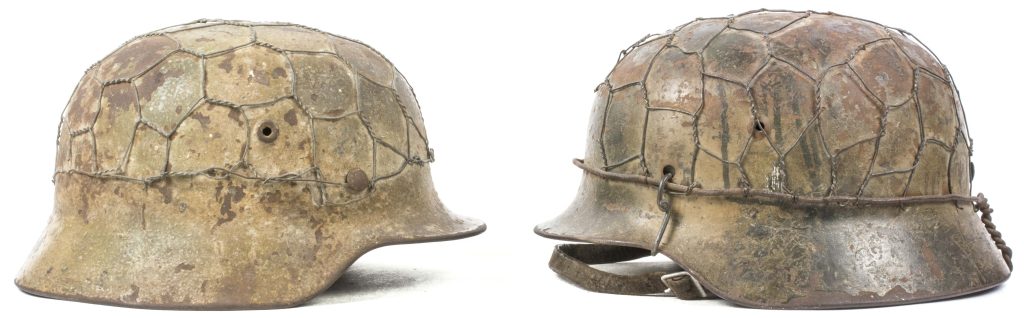
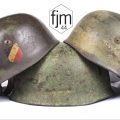
Two spectactular examples used in this study.
In the world of camouflaged German helmet collecting; chickenwire or Drahtgeflecht is one of the most sought after and most faked niche surrounded with a large number of myths and poorly researched facts. Chickenwire camouflage helmets are some of the hardest to judge subjects when it comes to authenticity. Because a basic helmet could easily be ‘upgraded’ with a piece of ‘period correct’ chickenwire netting. Talking about netting, correct collector terminology is calling it a ‘basket’ referring to egg baskets made out of you guessed it; chickenwire.
Chicken wire is the lightweight galvanized mesh most people know from chicken runs and small animal enclosures. It’s made from thin, flexible steel wire twisted into a distinct hexagonal openings, ranging between 1 and 5 cm in size, with wire thickness ranging from about 1 mm down to 0.7 mm. Despite the name, it’s used for far more than chickens; it’s an easy and inexpensive way to fence off small animals or protect garden areas from wildlife.

The worlds first chickenwire machine designed by Charles Bagnard in 1844
The idea itself goes back to 1844, when Charles Barnard designed the first wire-netting machine by adapting the same principles used in the weaving looms of Norwich. His early workshop eventually grew into Barnard, Bishops & Barnards Ltd. By the late 19th century, engineer James Bower had completely re-designed and improved the machinery, even patenting a system capable of producing mixed-size mesh. The result was mass production on a scale large enough that thousands of miles of this netting were being exported worldwide — even as far as Australia.
The hexagonal openings in chicken wire are formed by thin, flexible galvanized steel wires that are twisted together where they meet. Each twist is essentially a 180-degree wrap of the two adjoining wires around each other, and several of these twists create the familiar, screw-like binding that holds the mesh together. There are two basic types of twists: a regular twist, where all rotations run in the same direction (at least three twists), and a reverse twist, where the wires first rotate in one direction and then in the opposite. Although both twist types were patended before world war one 99% of all period chickenwire seen is a regular twist. Even though a reverse twist could technically be possible, I have not seen a convincing untouched helmet with this type of wire.
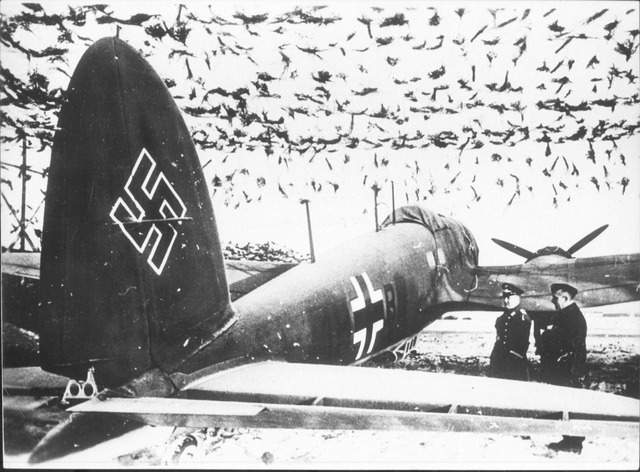
Chickenwire applied onto helmets as a means of camouflaging a helmet can first be seen in the first world war. Although not as large of a scale as in the second world war, it finds it origins there. It was applied to act as a base where foliage or camouflaged fabric could be held between and therefor breaking the visual recognisable image to the eye. When we look at period images we see a wide variety of mesh size, weave and basket shape. To understand the different types of chickenwire seen on helmets I believe we must go back to period photographs ánd period patents to understand which type would have been avaiable at the time. Interestingly chickenwire was not only a civilian item. The German military showed great interest in chickenwire for its camouflage properties; but it wasn’t for camouflaging helmets. It was made to camouflage much bigger objects such as trenches, bunkers, vehicles and aircraft. There are many patents which are specifically meant for exactly this purpose. But other then that we should also venture in the absolute origin of chickenwire itself.
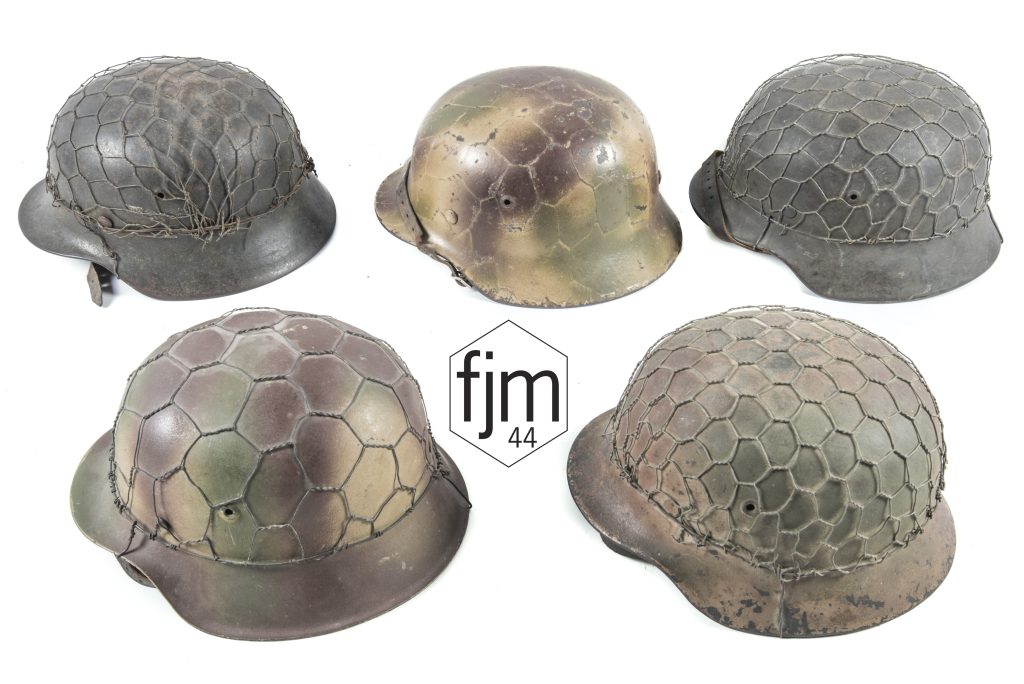
5 original examples as used in this article.
Additionally I have photographed a number of genuine chickenwire helmets in several configurations to illustrate the article. I believe to judge chickenwire camouflage helmets is a work of art in its own. There is sadly no exact science in judging these but in general the cohesion of the shell with the wire and its patina is the most important to look for. But this is not the reason I am writing this post. I think one could write a book on just to judge items in combination to general collector ideas which probably be well received but additionally just be a manual for fakers in the future. The problem with this type of high-end items such as camouflage helmets, SS uniforms, the sewing on said uniforms etcetera is that opinions are bound to be varied. But this is not the goal. I am going to post helmets here on which I am certain with to vouch for being authentic. That being said I believe a large portion of chickenwire helmets in collections or available today is not original or certainly messed with. These helmets are not for sale, and this is not a sales pitch. They are a part of this article merely to illustrate on what authentic examples should look like.
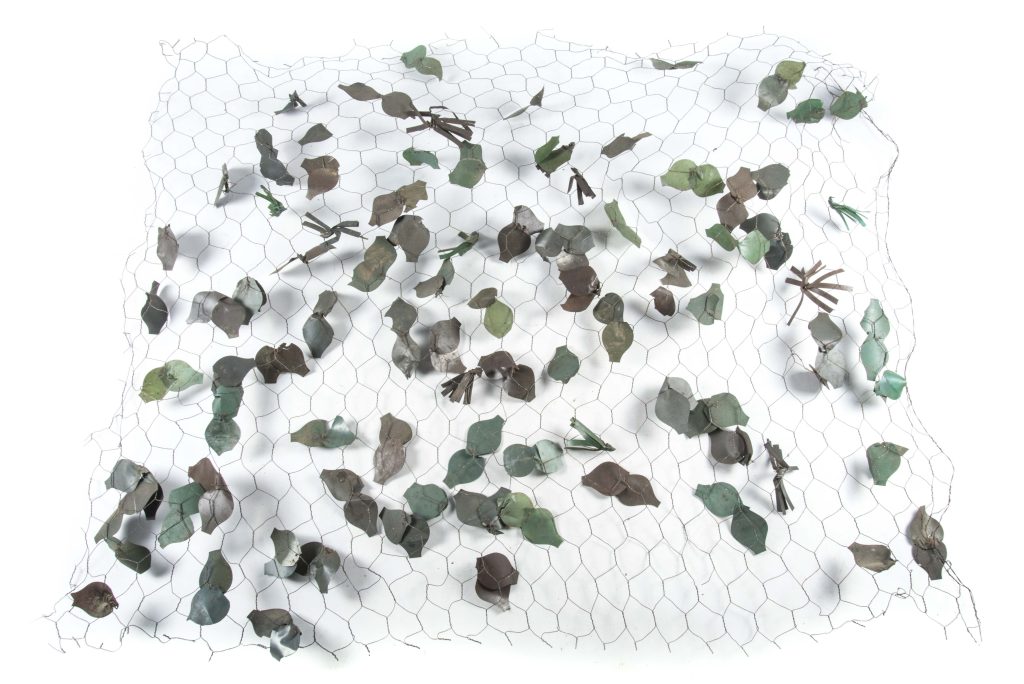
The camouflaged chickenwire above was found along the Atlantikwal some 25 years ago.
Military camouflage chickenwire was patented by Kurt Schlegel from Zwickau as his invention new type of camouflage netting he called Tarnungsmatte in 1940, 1941 and 1942. Unlike other rope based camouflage netting of the time he utilized chickenwire as a base. The netting was to be produced in several widths and lengths. Its camouflage leaves or pine needle design otherwise known as ‘Scrim’ are stapled to the wire mesh and is made out of plastic. There are number of different camouflage patterns used on wire mesh. Traditional camouflage nets are made out of natural flammable material. The camouflage material stapled to the chickenwire mesh is made out of plastic which at that time was considered less flammable and weather resistant. The mesh measures approximately 7 cm between the twists, measured alongside the direction of the twists. I measured this at the far side of the netting, at the closed ends where there is only half a hexagon shape with a straight line running from twist to twist.
The condition of the piece found above after 65 years of exposure to the elements on the atlantic coast is simply impressive. It really showcases what a good zinc coating can do; and how resilient plastic is in nature!


Three different patented designs of the chickenwire in combination of plastic camouflage additions.
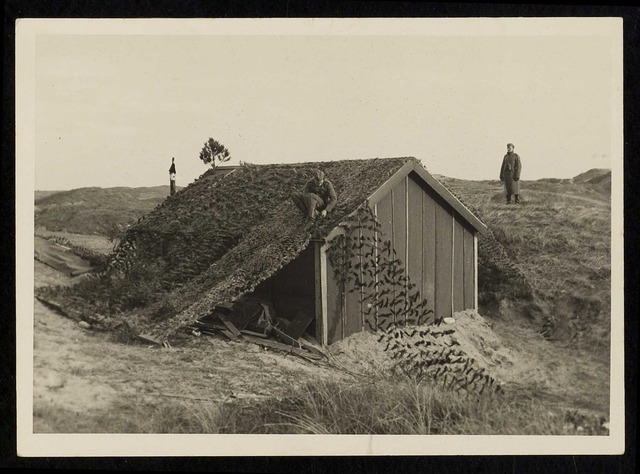
The use of this type of chickenwire by the german army was not widespread and it was issued mostly to stationary units guarding the Atlantikwal. The chickenwire was to be used in the construction and camouflage of fortifications, overspanning trenches and gunports. Today, one can some times still find chickenwire remains along the Atlantikwal. The Germans didn’t just use chickenwire for this purpose as many photos show netting of all kinds. These have also been patented with various camouflage additions. Both had their strong and bad points. Whereas conventional netting requires a lot of base material and will deteriorate with time, moisture and sunlight; AKA exposure to the elements. It was used for the same purposes but unlike chickenwire it requires a lot more supports if used crossing open spaces horizontally such as trenches. Chickenwire on the contrary is a better material to span these open spaces as its stiff base requires less support. Additionally its plastic foliage and metal base is better weather resistant. A testament to its toughness is that in contrary to the nets used by the Kriegsmarine, a portion of the original chickenwire survived and can still be found in ‘untouched’ bunkers today.
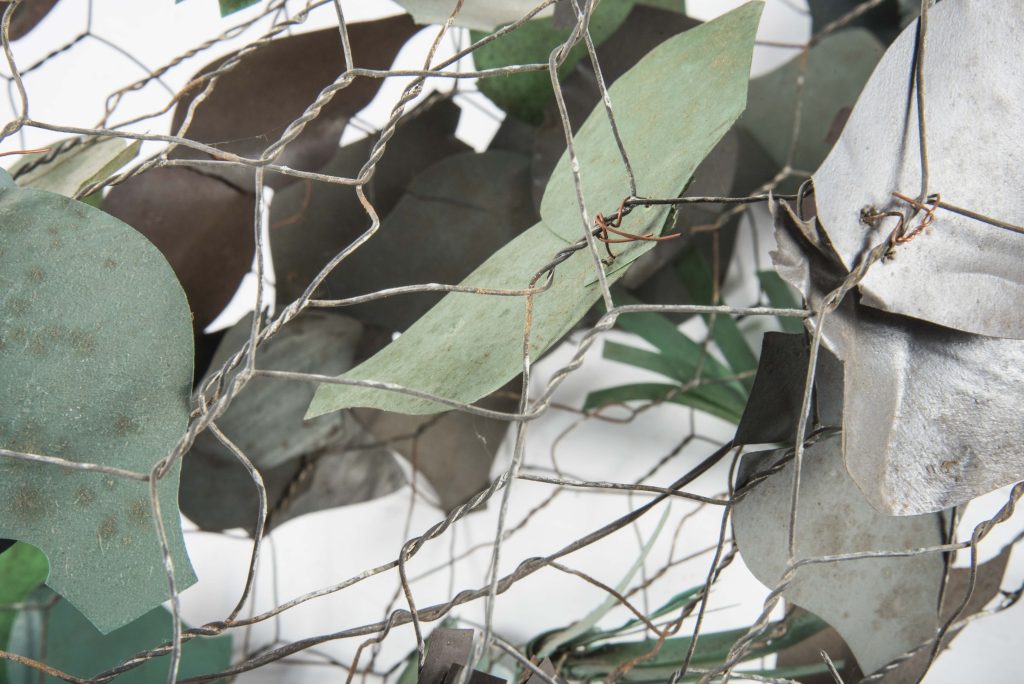
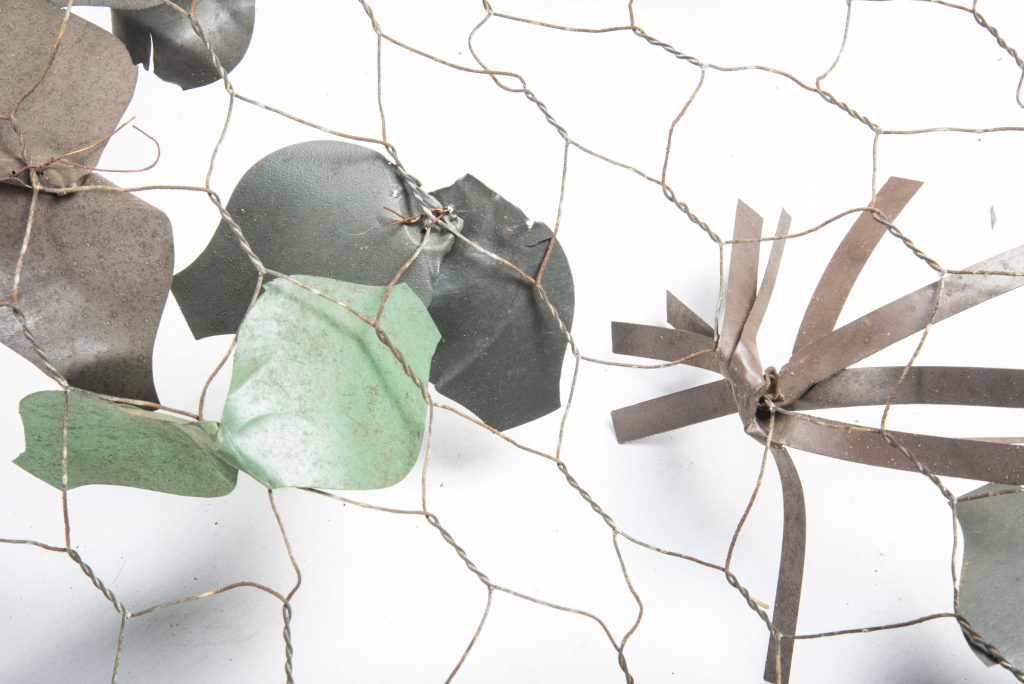
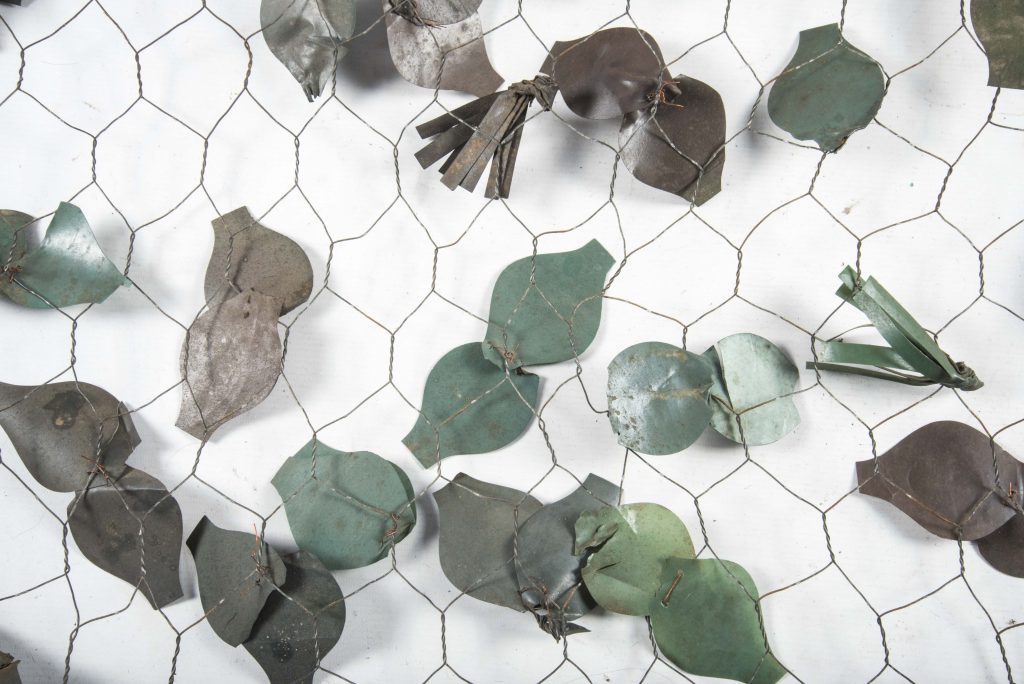
Some closeups of the material, note that some of the plastic foliage has been re attatched.
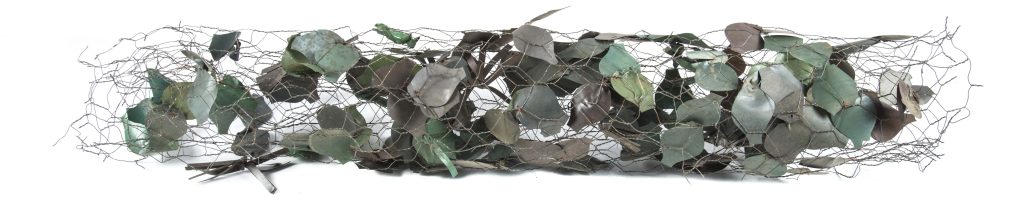
It would have been rolled up in the factory and issued as such above. Even if it is just a small portion.

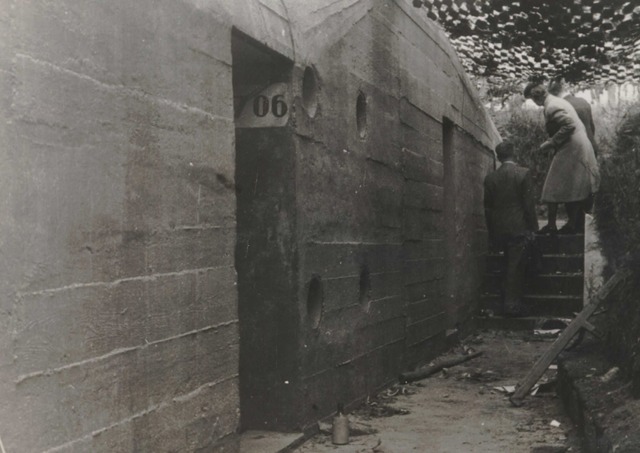
Den Haag, 1945. Civilians first enter the former Atlantikwal post occupation. The camouflaged chickenwire overspans a trench behind a bunker against aerial recognition.
Two different kinds of plastic foliage used within the camouflaged chickenwire.
I have not encountered different army patents but I believe numerous mesh sizes were used. I know that multiple sizes of chickenwire were utilised on German helmets. These could be on another army contract or locally sourced civilian chickenwire which was produced in several sizes. Civilian chickenwire would have been used on civilian properties in occupied territories. However even being the Herrenvolk; couldn’t just take as they pleased. That doesn’t mean it never happened, most probably it did.


Den Haag 1945; Somewhere along the shore the Allies prepare parts of the Atlantikwal for demolition. The large and small meshed chickenwire can be seen on the closeup on the right.
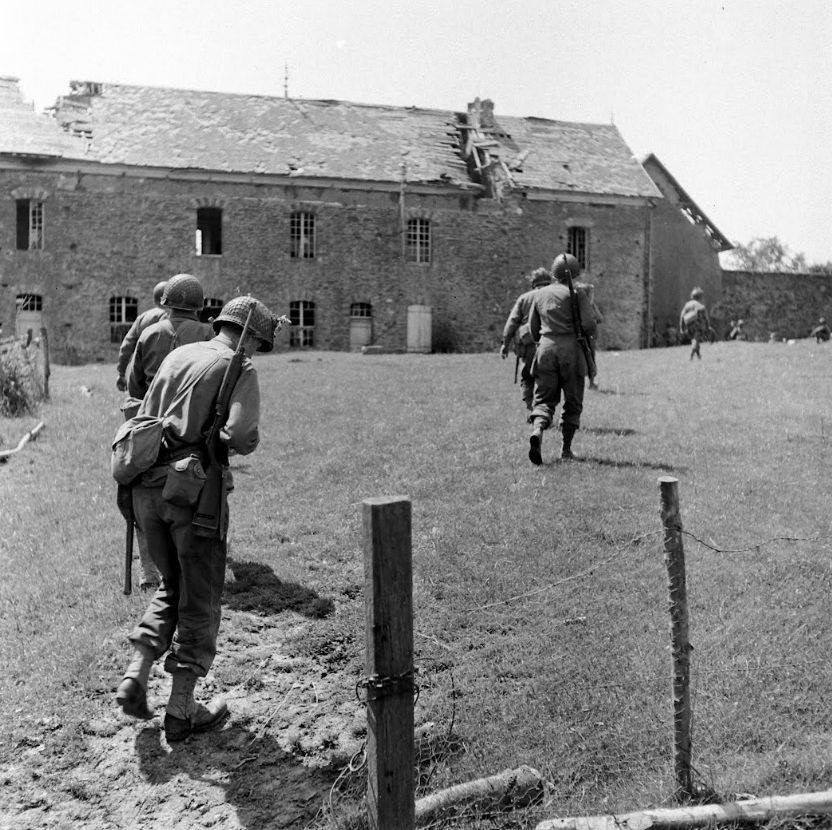
GI’s in Normandy move accross a farmstead at 1 rue du Moulin, Saint Georges d’Elle in Normandy. Judging from sattelite image and google streetview they are on the move northbound towards la Cerisy La Forêt. The men are most probably of the 23 infantry regiment, 2nd Infantry Division. In the foreground is a piece of small mesh chickenwire, most probably of a civilian source.
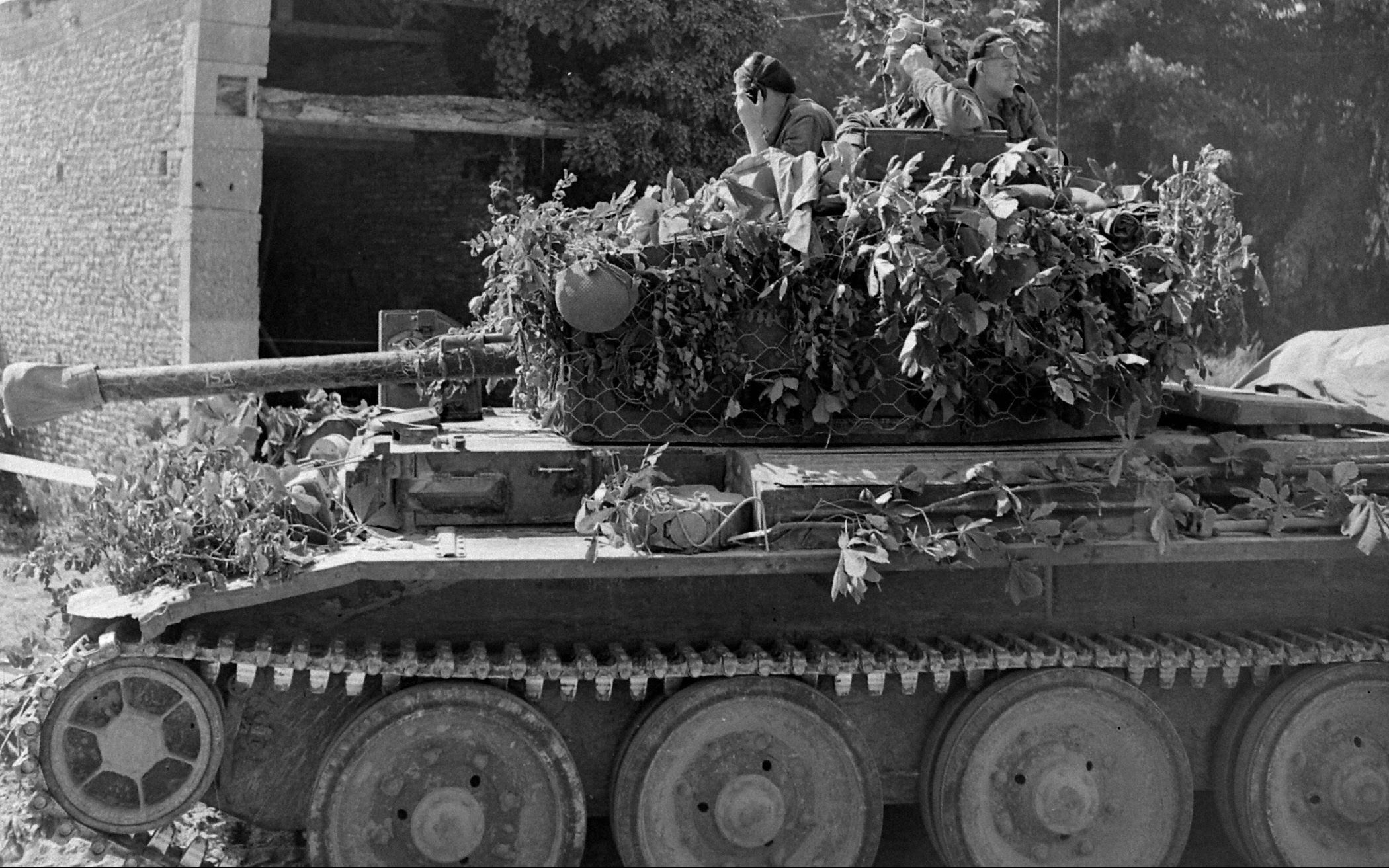
Operation Goodwood, Benouville, Normandy. A Cromwell tank from the 1st or 5th Royal Tank Regiment, 7th Armoured Division, with chickenwire atttached to the turret and barrel.

Elements of the 25th Cavalry Reconnaissance squadron of the US 4th Armored Division driving trough Folligny on 31st of July 1944. In the foreground, an Opel Blitz truck bearing the license plate SS 155 458 has been neutralized, according to First US Army page 384: the Opel belonged to the 9th/(Flak) SS-Panzer-Regiment 2 of the 2nd SS-Panzer-Division “Das Reich”. Interestingly the Opel Blitz to the left seems to have a large portion of large mesh military issue chickenwire utilized as a means of camouflage and holding foliage.
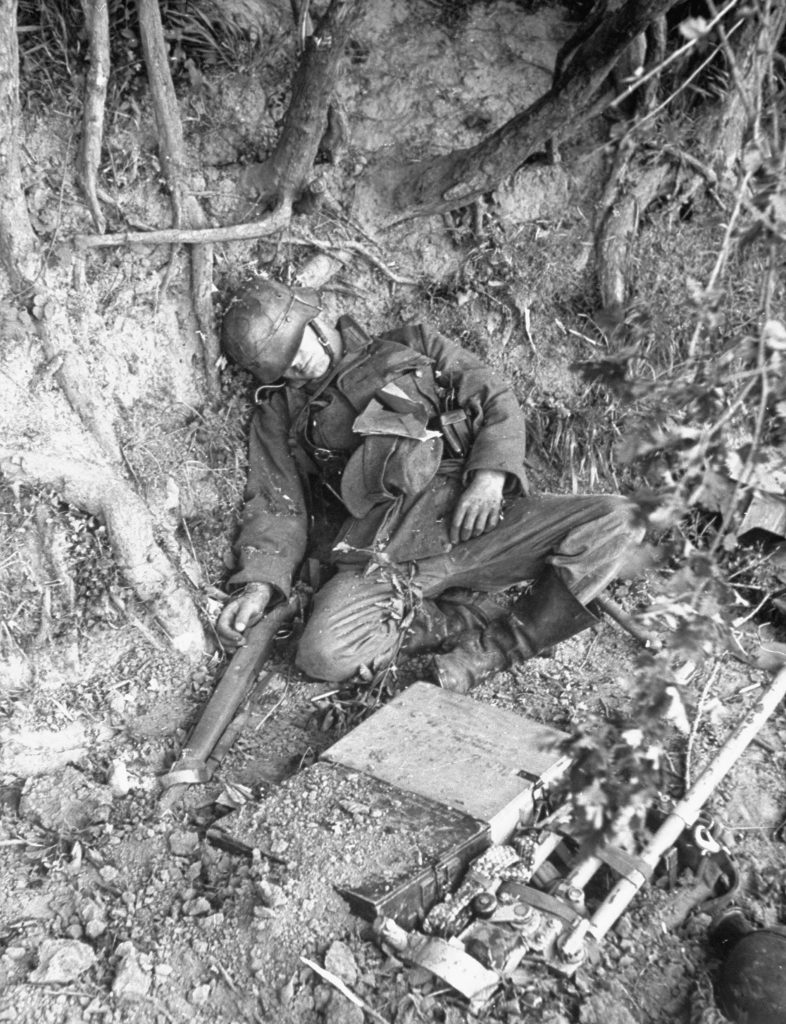
A photo by Bob Landry in Sainte-Mère-Église shows the body of a young German soldier with a three-tone camouflaged helmet with a chickenwire net applied on top. At Sainte Mère Eglise, the LZ “O”, for Waco CG-4 gliders, Detroit mission (arrival on LZ at 04:07 on June 6).
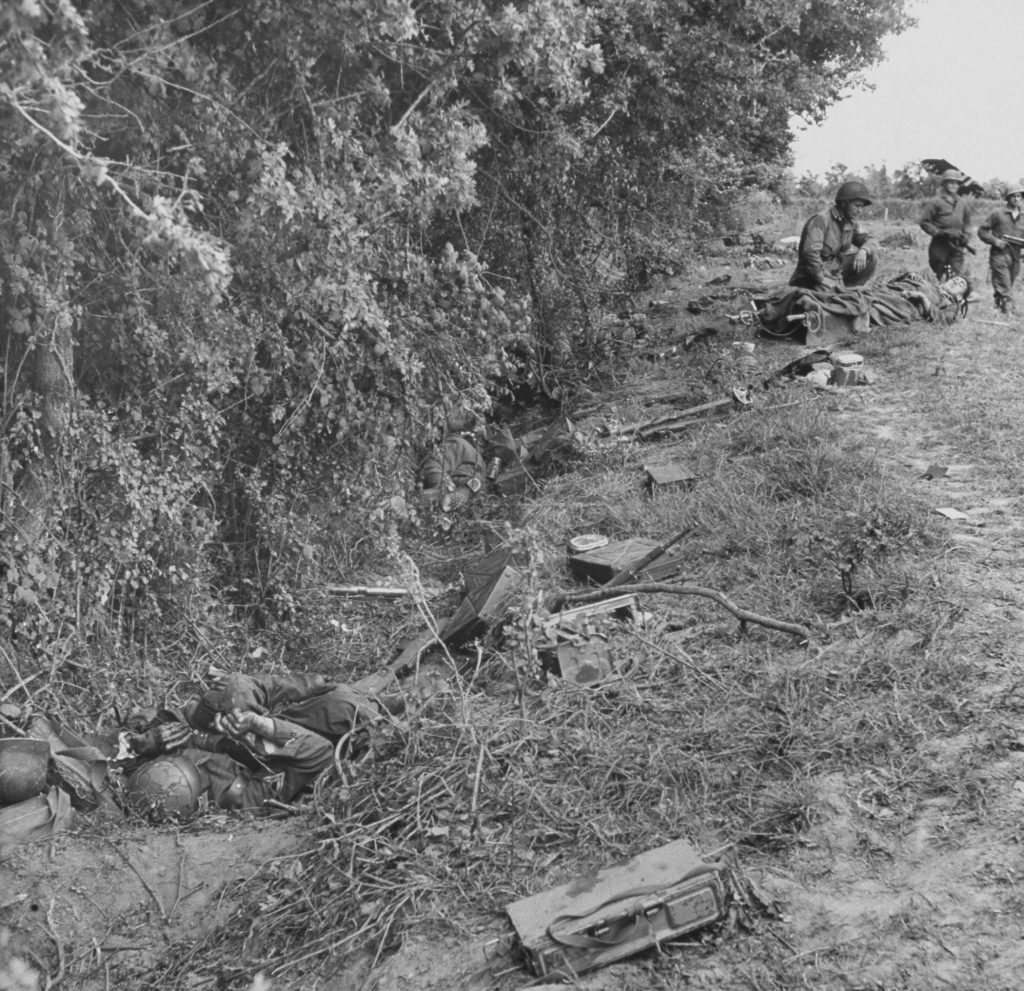
At the same spot and photographer on Landing zone O we can see another soldier killed in action with the same type of helmet with chickenwire net.
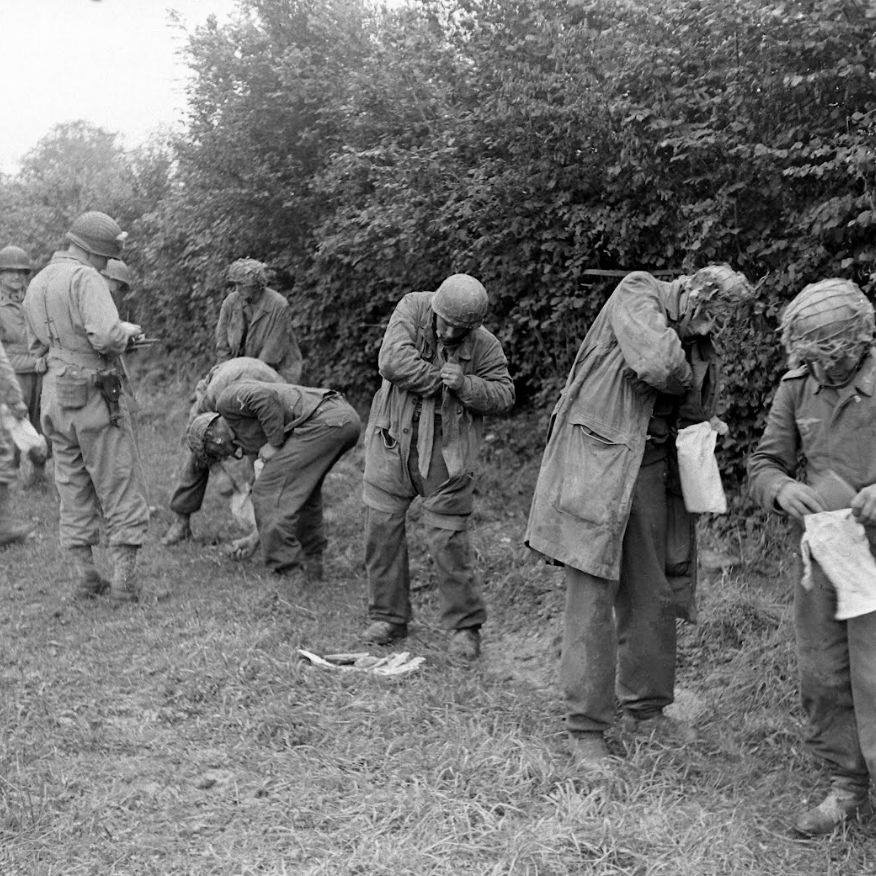
This photo depicts men of the 3. Fallschirmjägerdivision surrendering at Hill 192 near Saint Georges D’Elle. The third man from the right, reaching inside his smock wears a helmet which has been camouflaged with US camouflaged parachute silk topped of with chickenwire. They are all putting their belongings inside their Zwiebackbeutel.

Somewhere in Belgium on France, stationed along the coast, this Unteroffizier decorated with the Panzervernichtungsabzeichen demonstrates the Panzerfaust to three other soldiers in his unit. As one can see, all of the men have the same type of helmet camouflage consisting or burlap covered with chickenwire – Kriegsberichter Aschenbrück
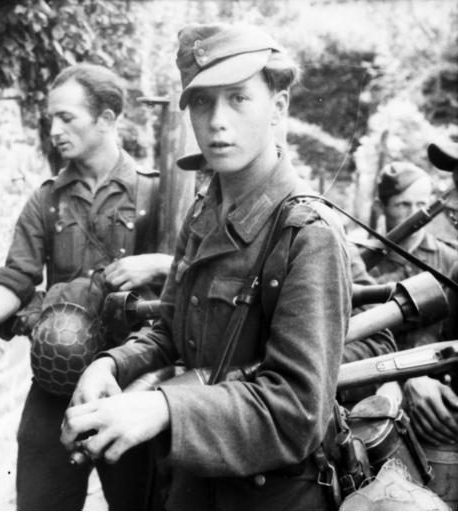
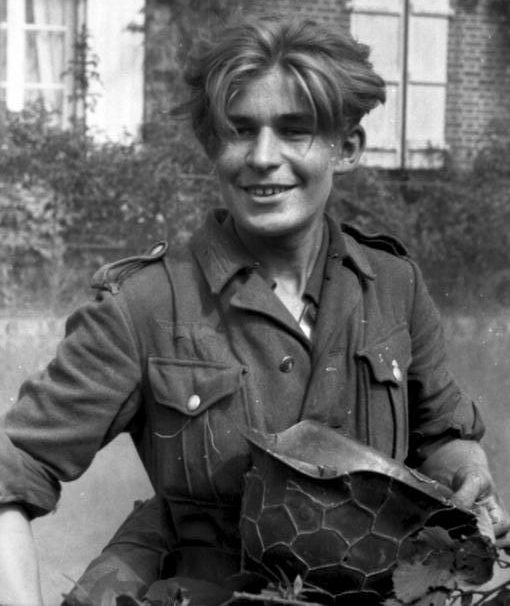
Two photos shot in Normandy of the same unit show the same type of full basket type chickenwire application – Kriegsberichter Theobald
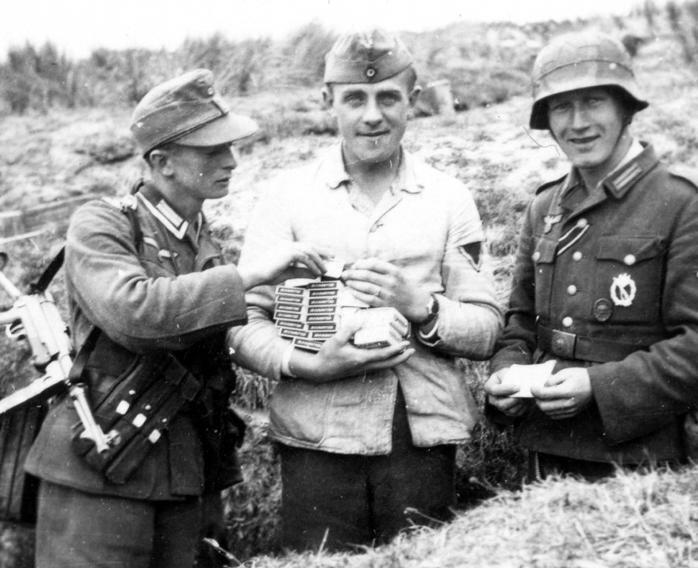
Another shot of soldiers which seem to be stationed on the atlantic coast. The foliage in the dunes in the background, the trenches and dugouts visible in the back all are testimony to this. Additionally the work blouse worn in the center and the rations in copious amounts all indicate men on a stationary position. Looking at the enlisted man on the right it clearly shows a half basket chickenwire net with additional camouflage paint.

This is by far one of the only instance of troops serving on the eastern front with chickenwire applied to some of their helmets. Next to the chickenwire nets helmet and mosquito nets can be seen applied to helmets in this series. This photo was made in Warschau 1944 – Kriegsberichter Leher
There is a number of typical methods of application of which below are the most common to find. They can be differentiated between by looking at where the end of the metal wires go. Most of them seem to be made with a half-basket type application. Most of the half basket examples have the basket attached over the end of the shell with two or three metal wire hooks made of metal wire. However some half basket examples are hooked underneath the liner rivets without the metal wire hooks. A lot of different variants exist but these are the most common.
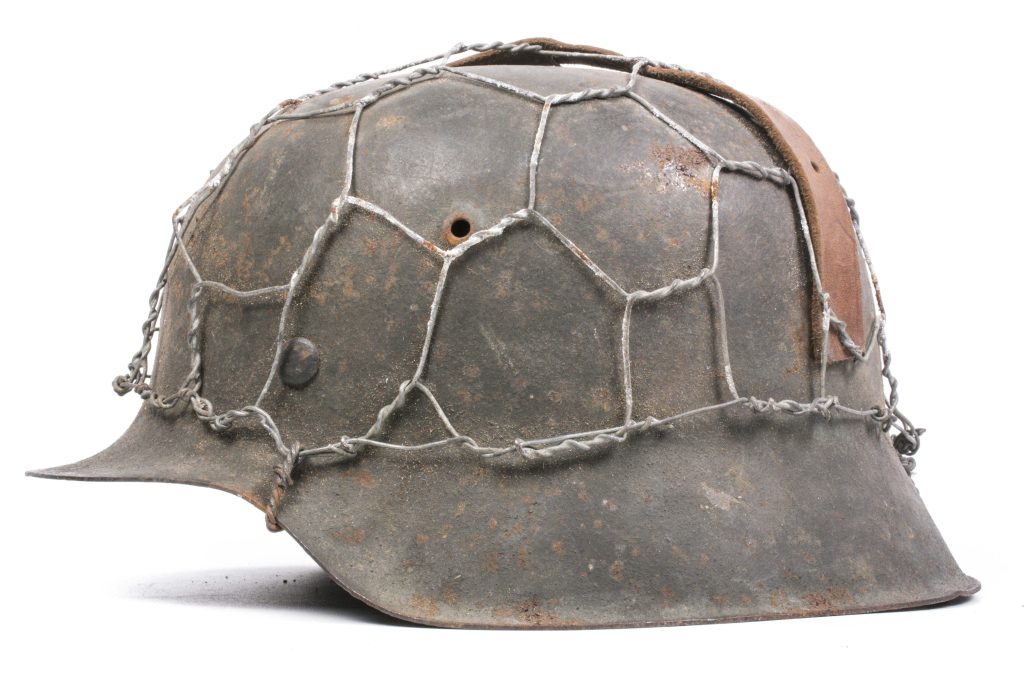

Half basket and full basket

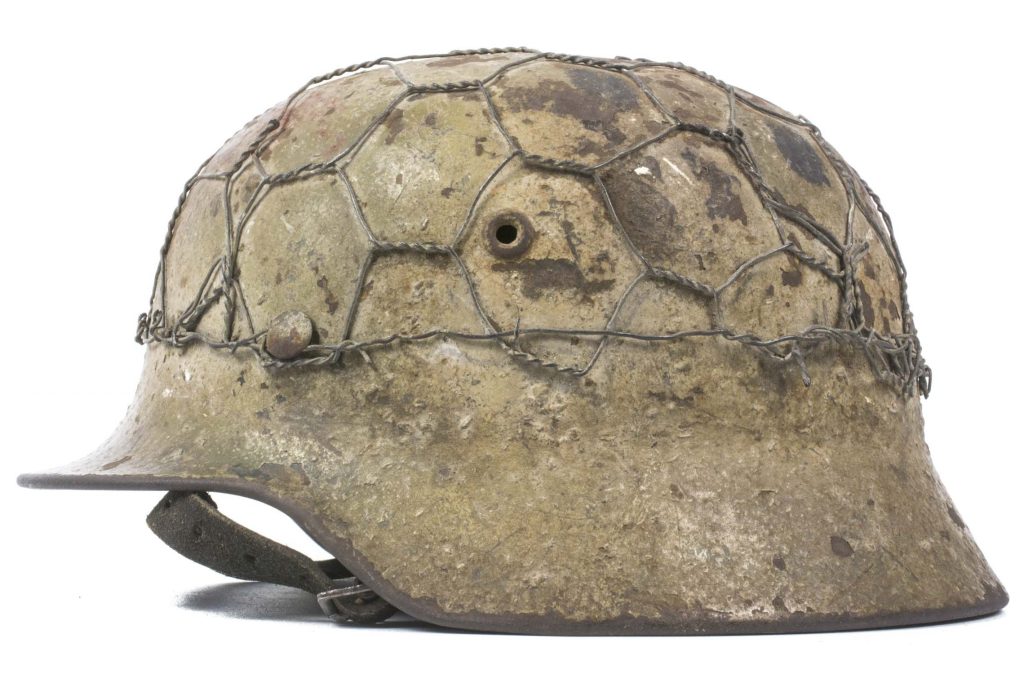
Small mesh and large mesh, the right one is fixed straight to the rivets and lacks wire hooks
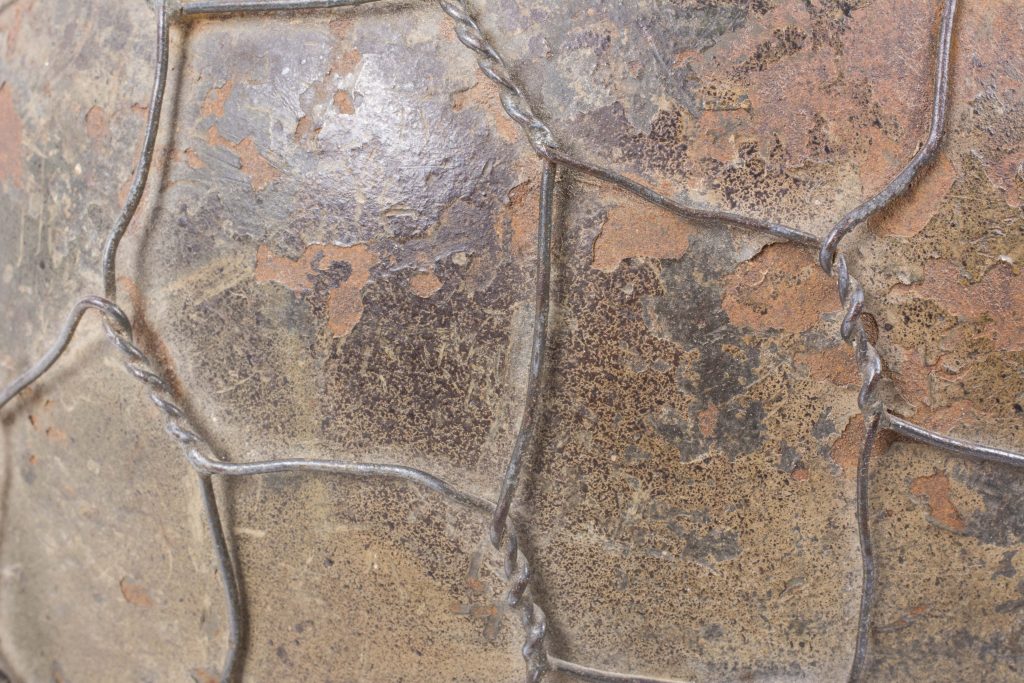
Original surviving examples are scarce. Even if it was a common practice to camouflage helmets, chickenwire was available to certain units only. These helmets are often faked and numerous helmets have been postwar upgraded with period correct wire. What one would like to see on wire helmets is a certain marriage between the shell, paint and wire. The metal wire is coated with zinc or tin. This coating is prone to wear and bending. When bending the wire the coating might fall off from that point. The metal wire where it touches the helmet ages in a very specific way. When observing camouflaged helmets with the addition of chickenwire we can often observe that the camouflage paint was applied after the installation of the wire netting. Personally, for me, the most important detail is that the helmet shows natural patina. Following this part I will add a amount of authentic chickenwire helmets of which I can research their provenance or them being one looker examples. I have picked these examples to photograph from my personal collection or of well curated European collections.
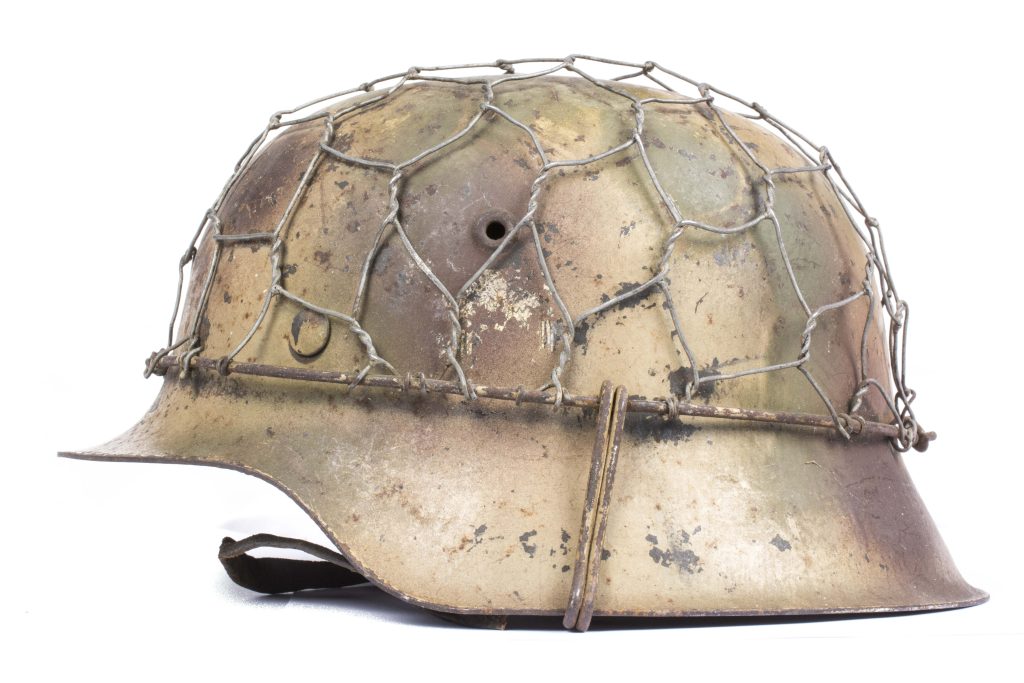
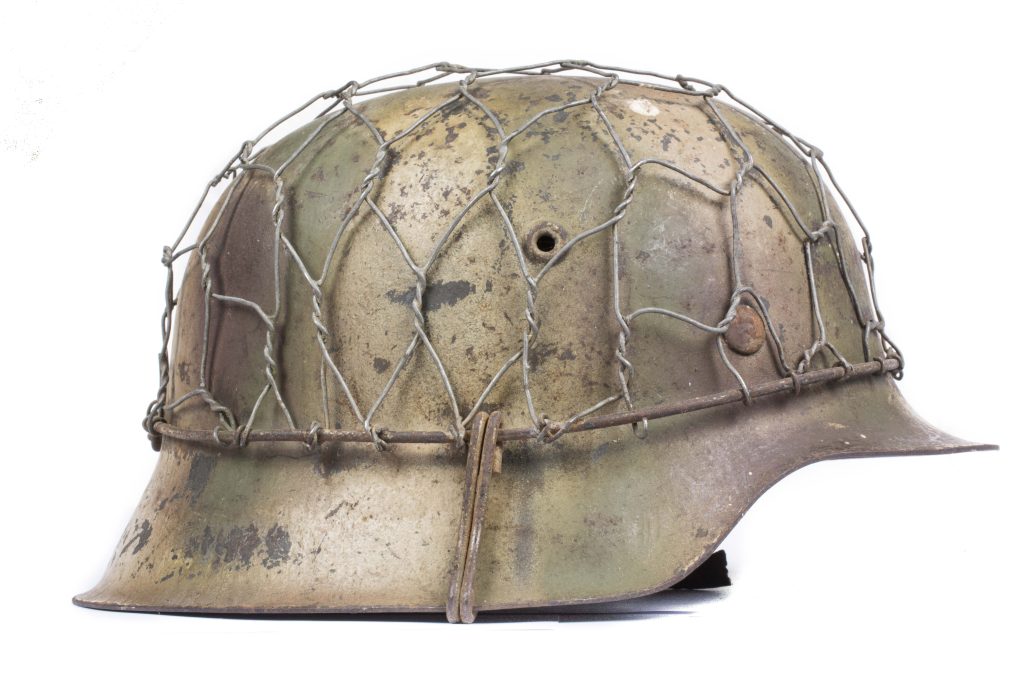
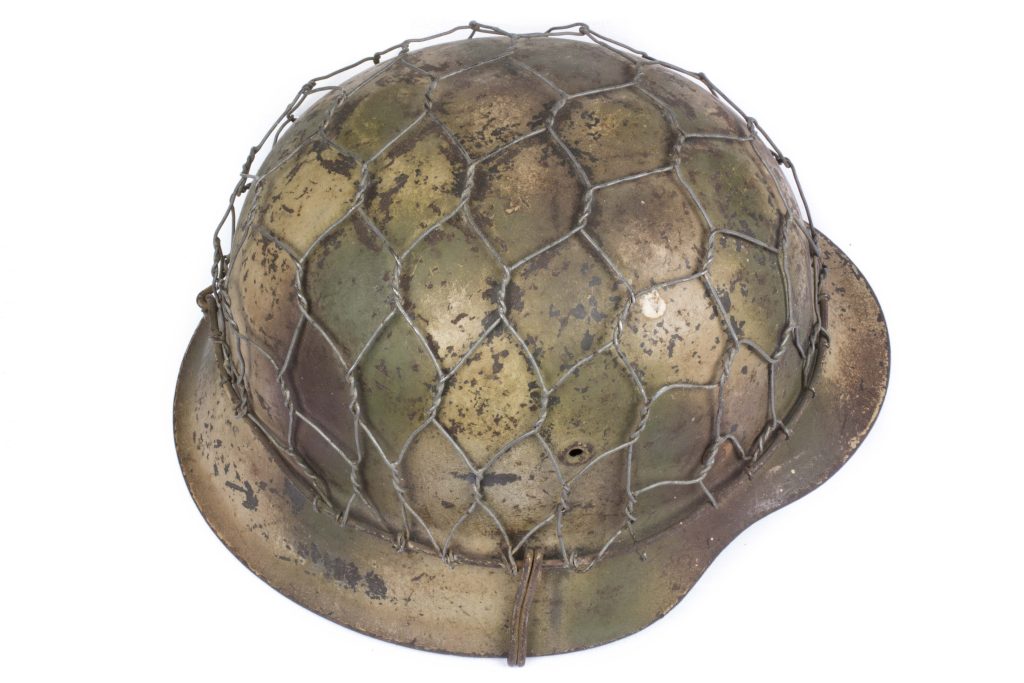
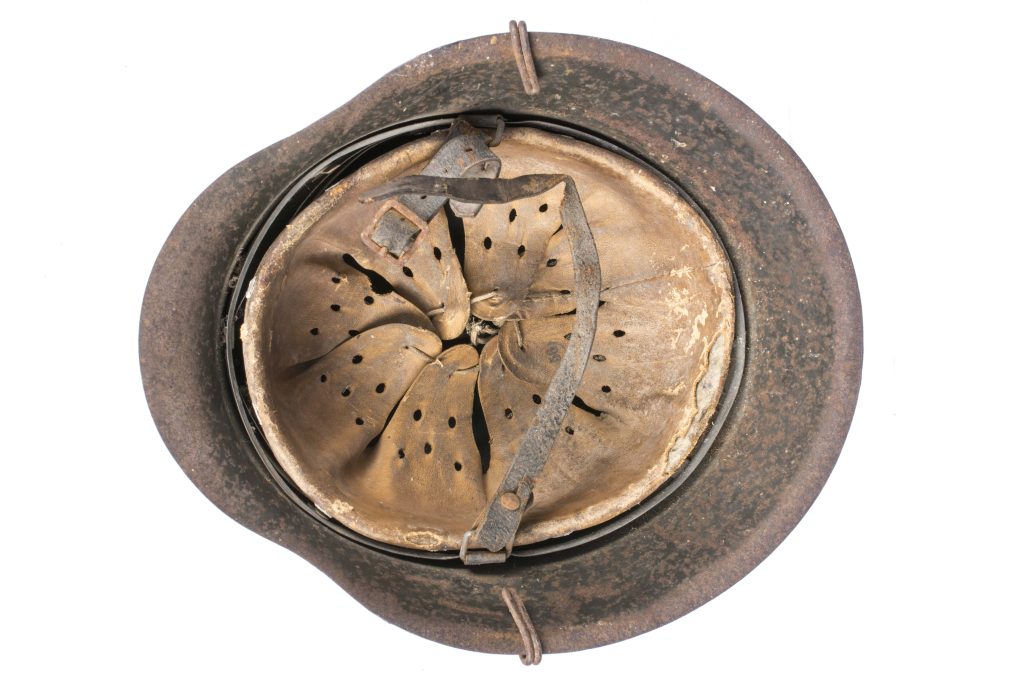
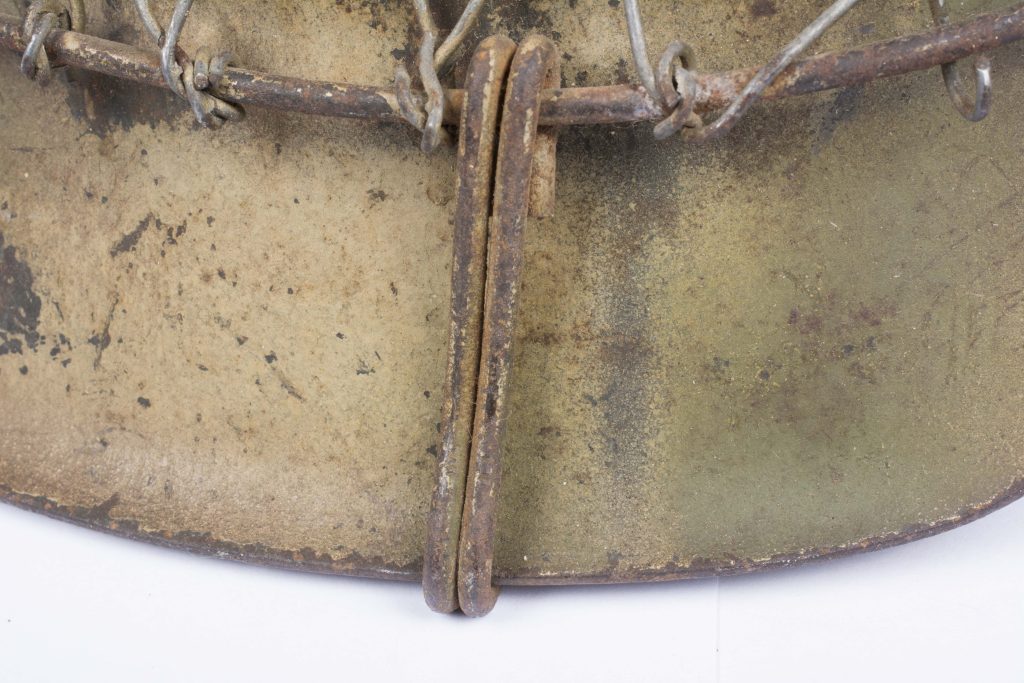
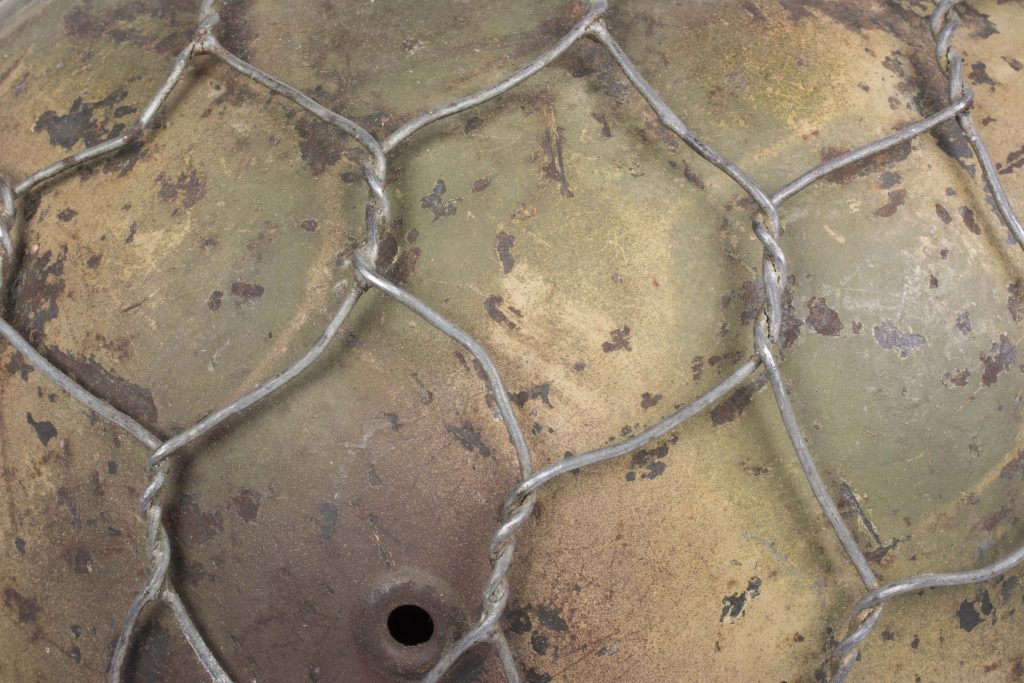
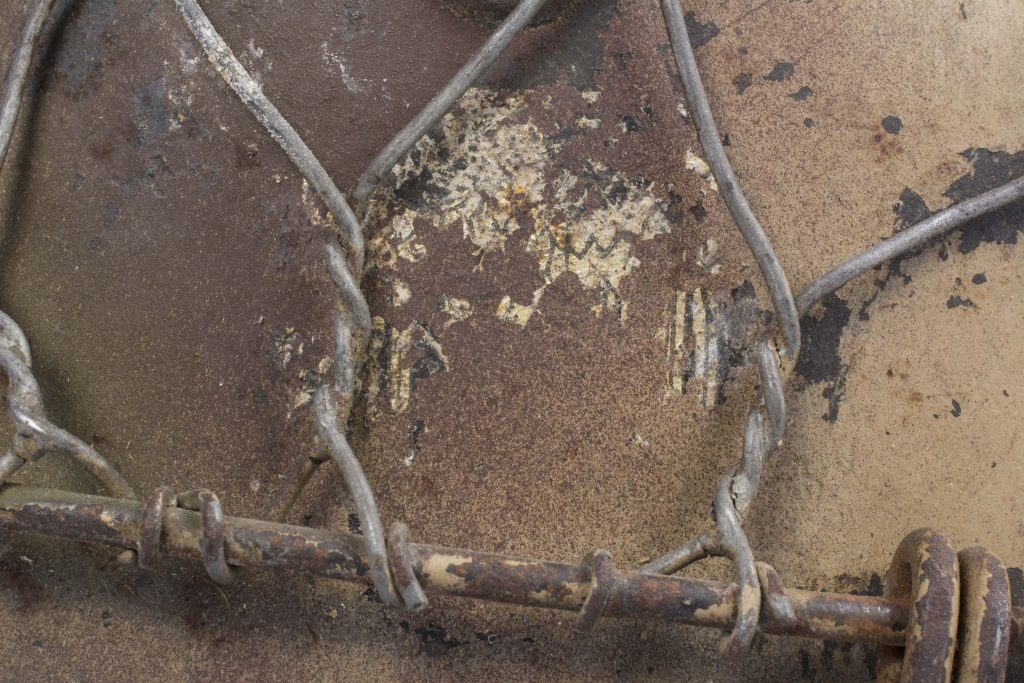
A textbook M42 Heer single decal helmet with large mesh half basket chickenwire net with a three-tone camouflage on top.
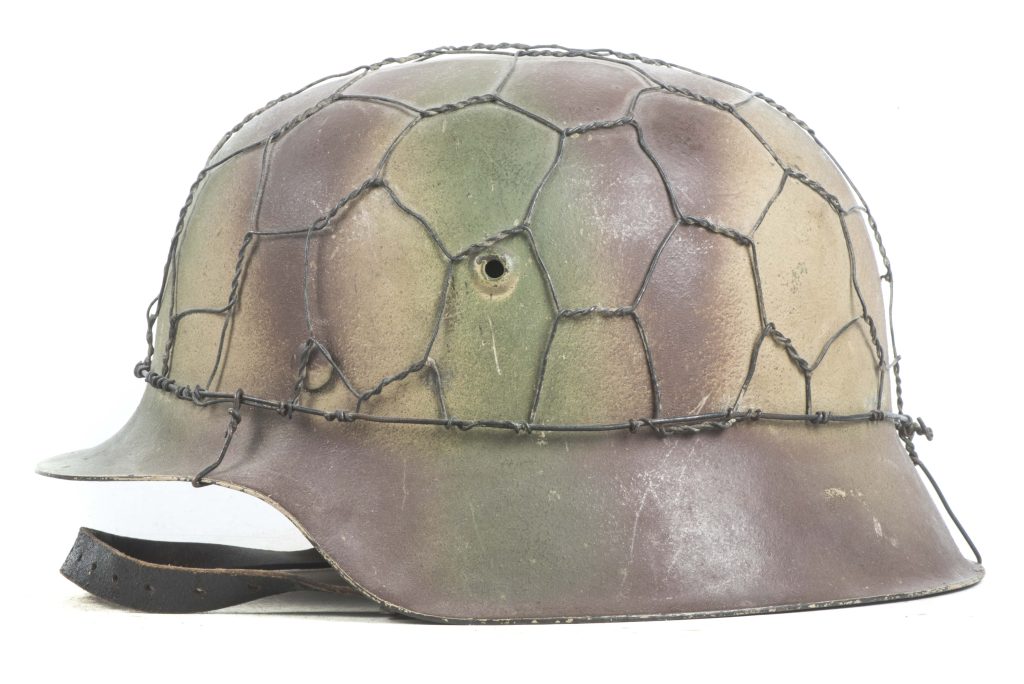
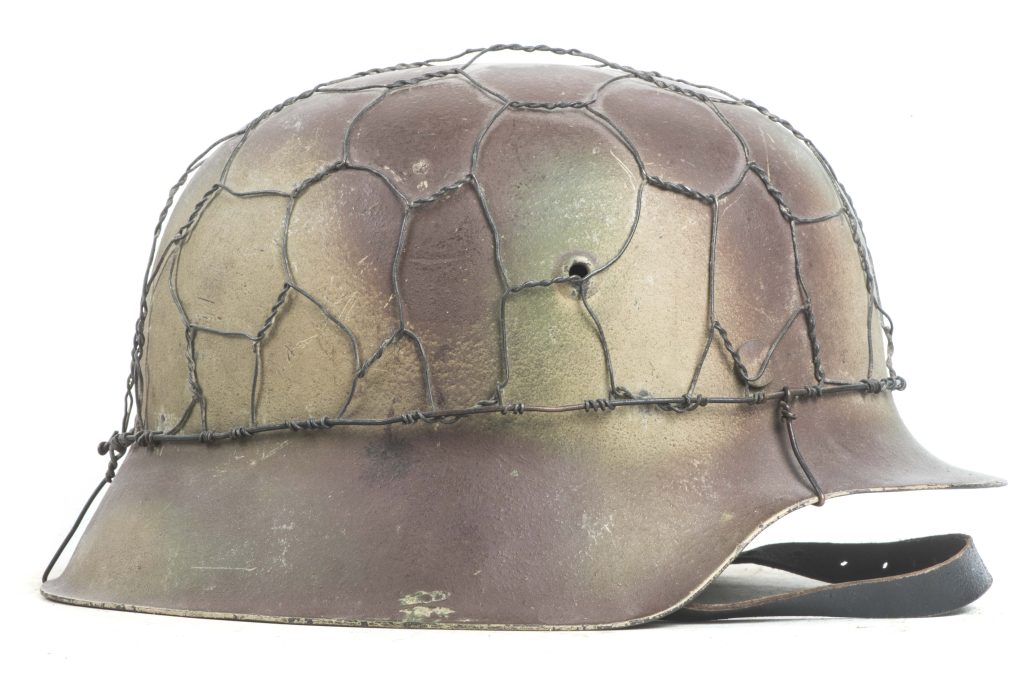
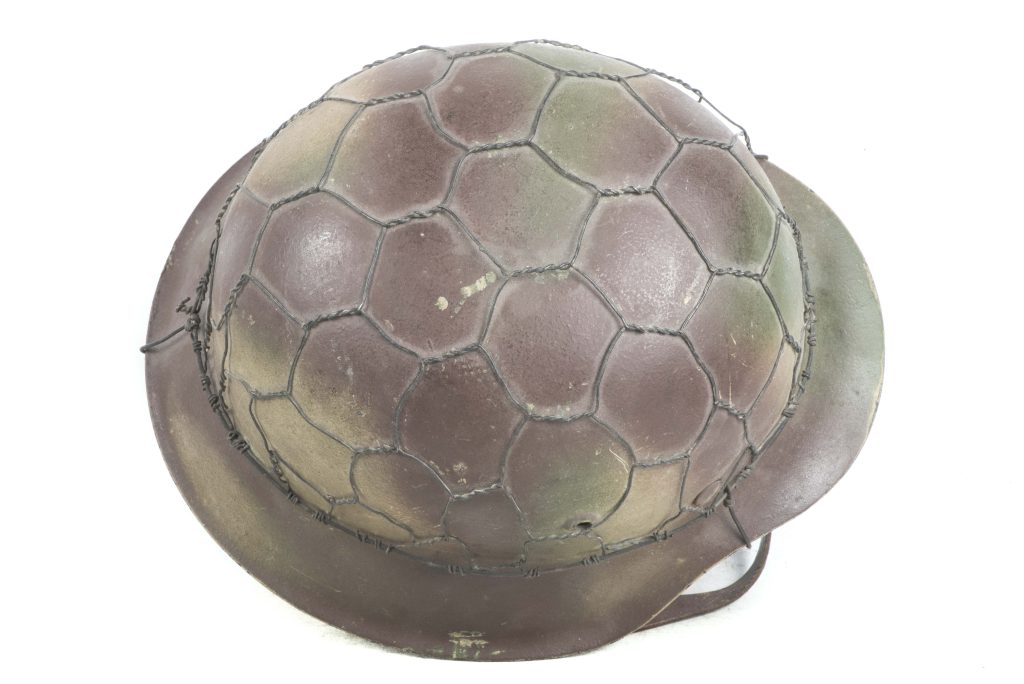
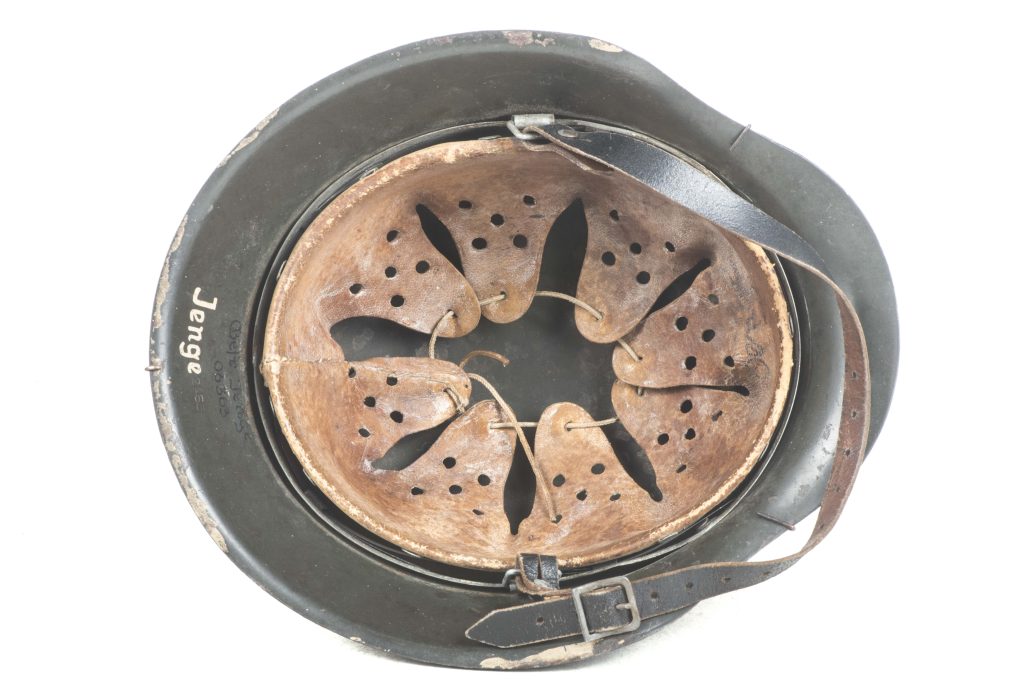
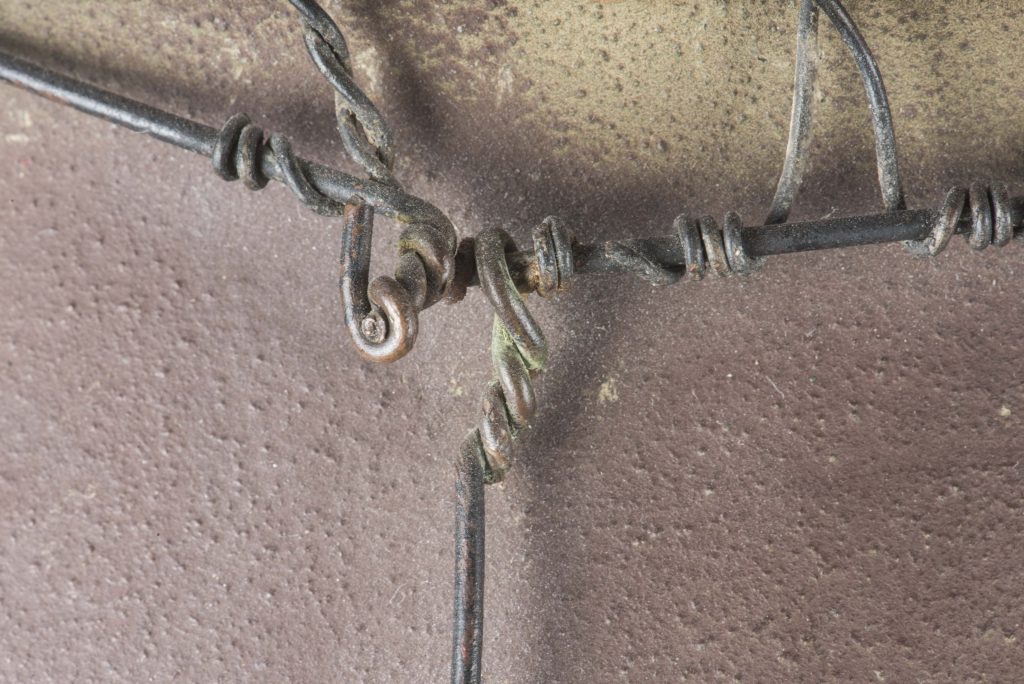
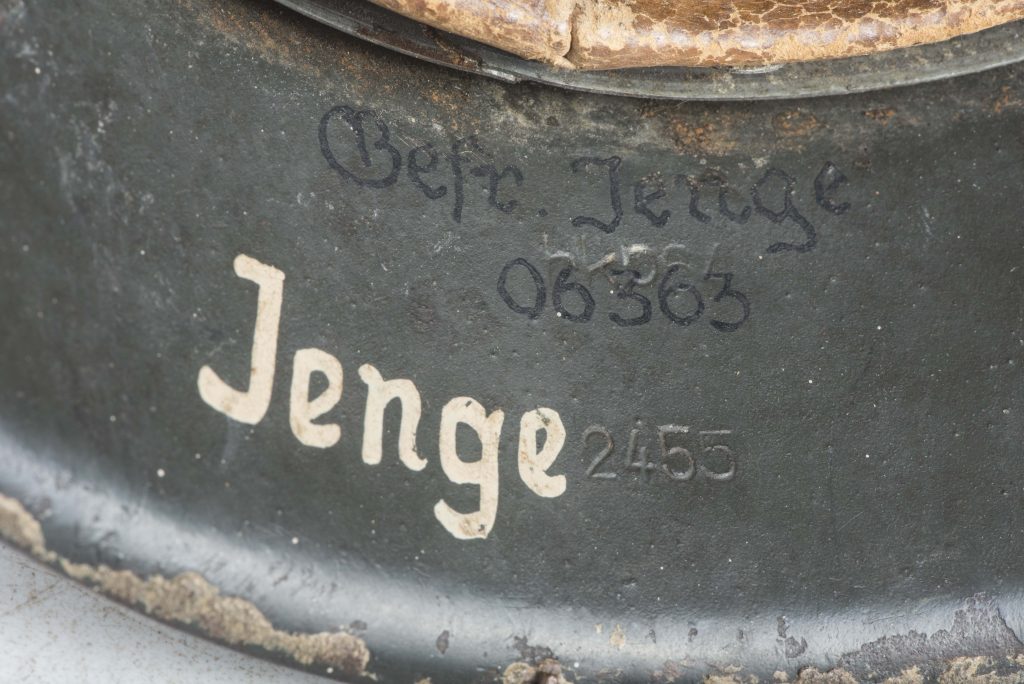
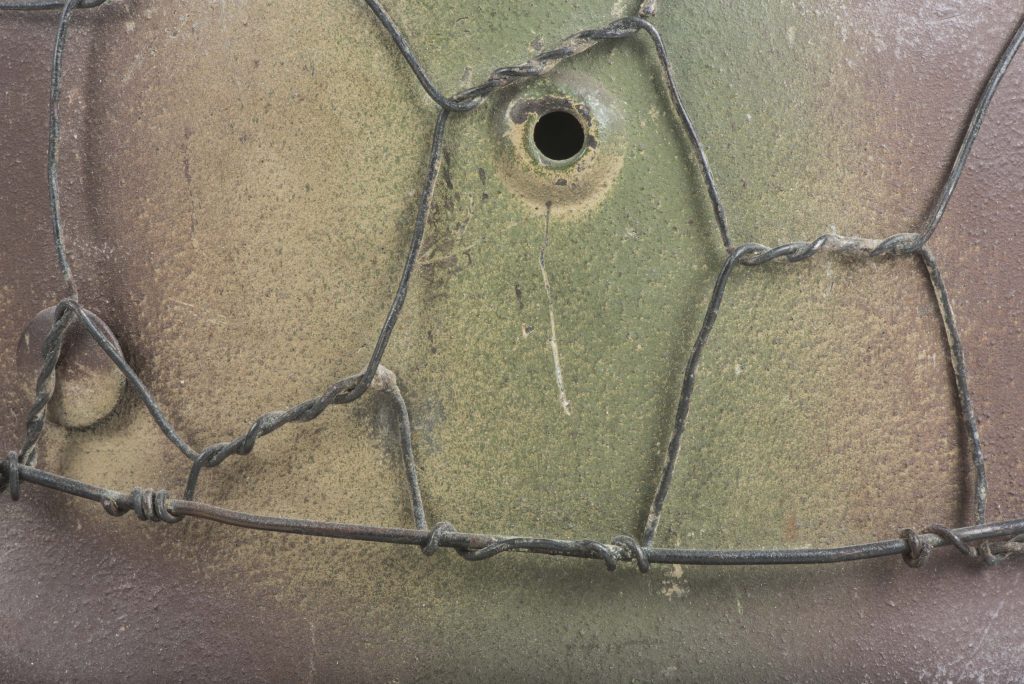
This stellar M42 helmet with period applied large mesh half basket chickenwire in three-tone camouflage is named to Gefreiter Jenge with the Feldpostnumber 06363 which indicates the unit Leichter Haubitz-Turm-Zug 1015 which is a Festungs or fortress coastal artillery unit. As a Turm-Zug it was a tower placed 10 cm howitzer. There were only ever 6 installations, two in Brest, two in Boulogne and two in Le Havre. With this fortress type of units it is very logical that it has camouflage, a chickenwire net and little wear. Most of these units fough short but hard and either directly surrendered or died trying. I have owned this helmet 15 years and it originally was retreived from a US veterans footlocker.
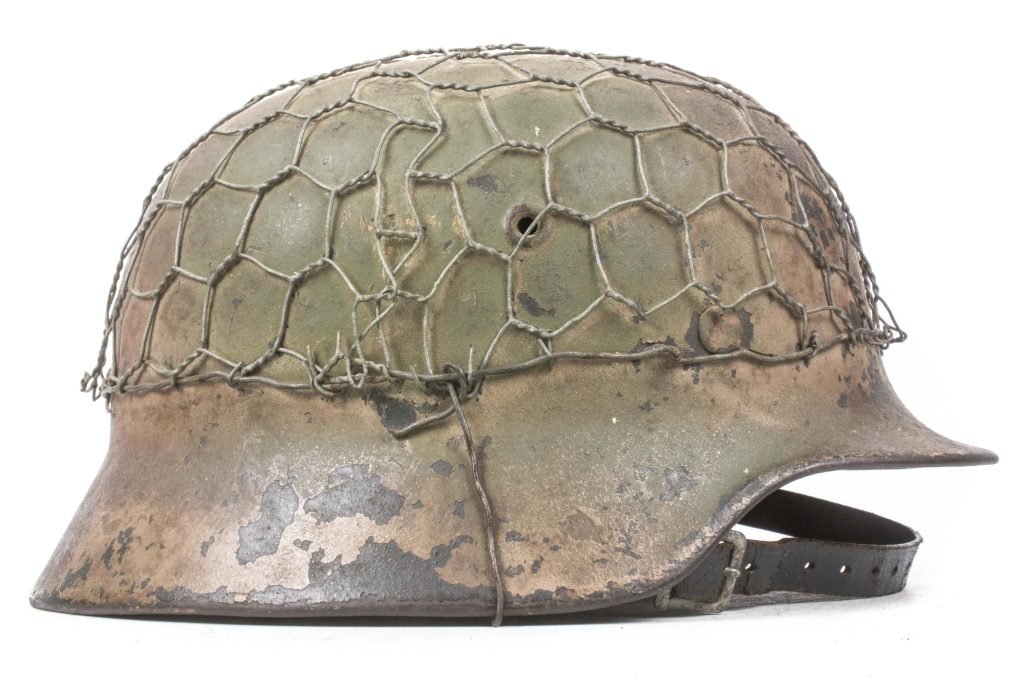
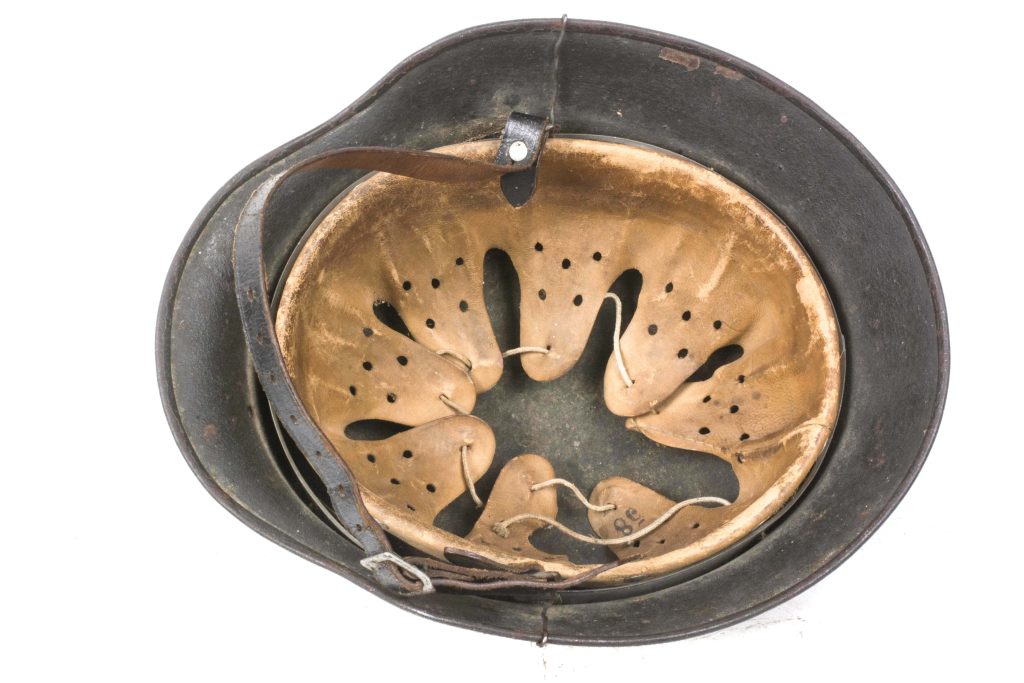
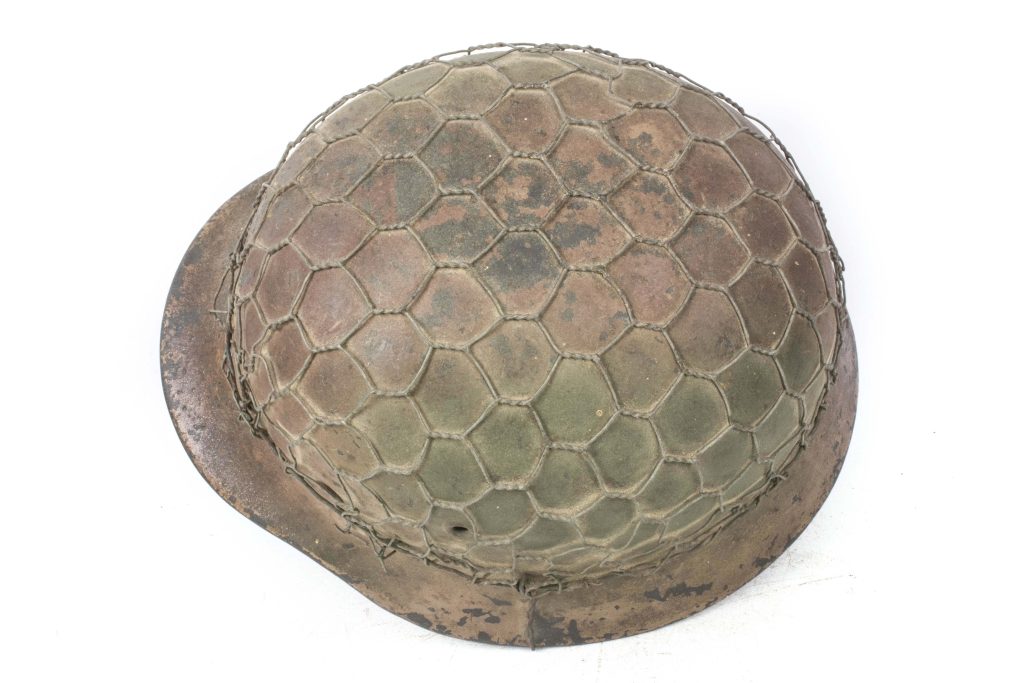
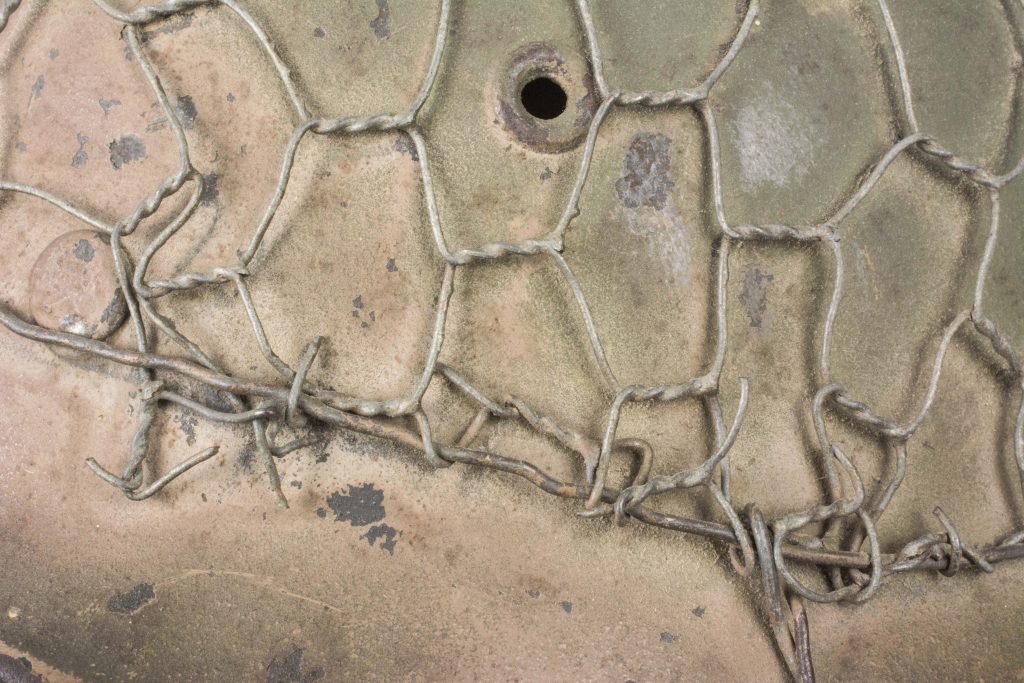
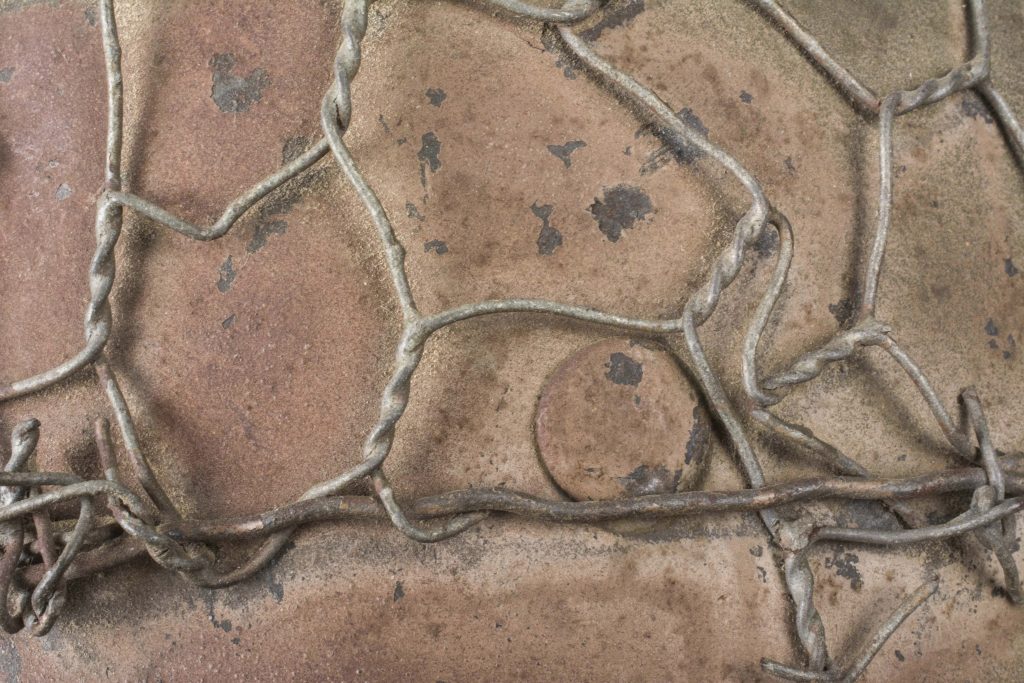
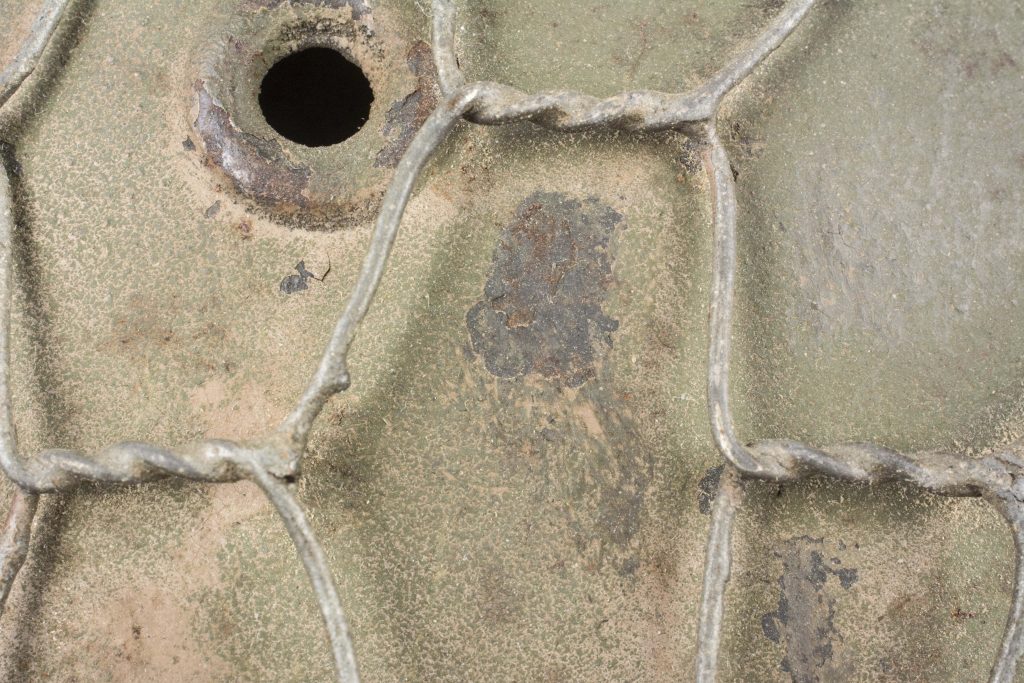
A m40 single decal Heer helmet with period applied small mesh half basket chickenwire in three-tone camouflage on top. Originally found in Normandy in the Falaise pocket.
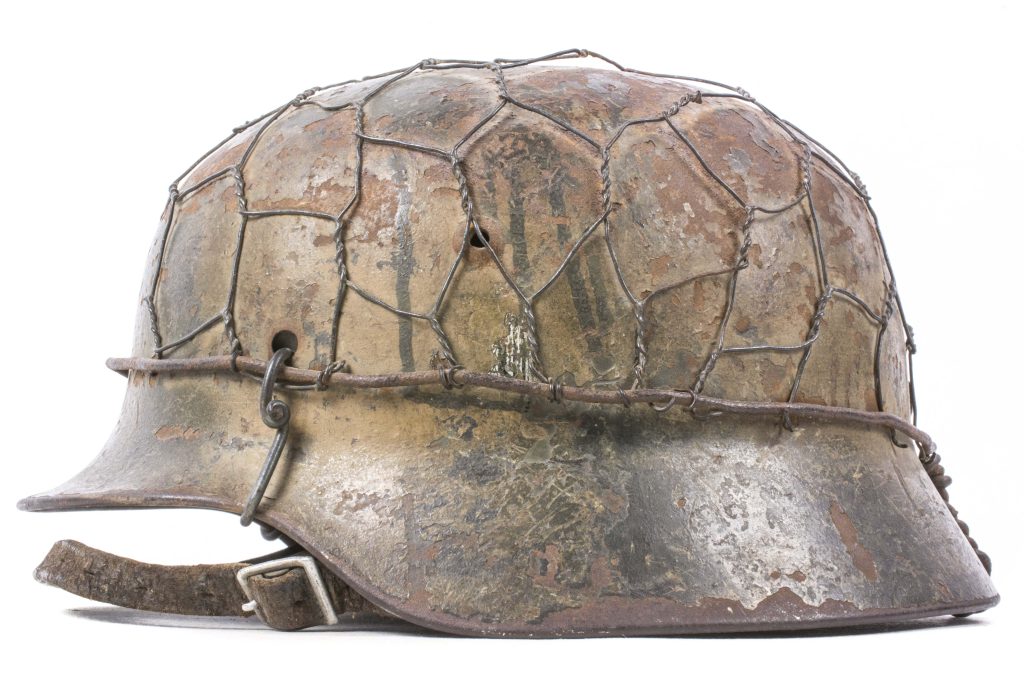
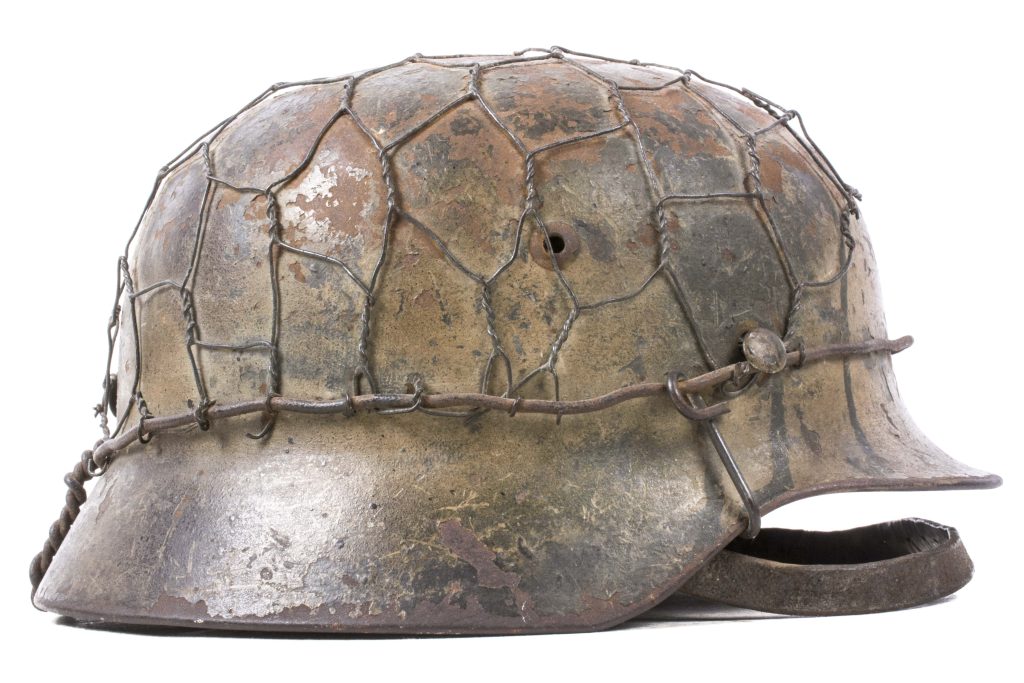
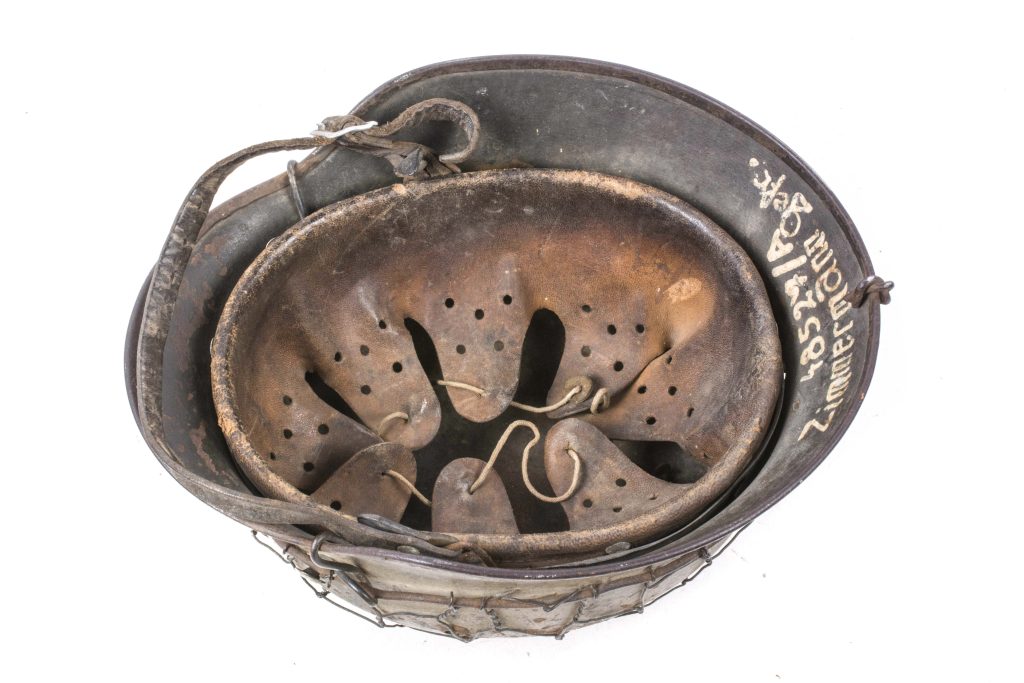
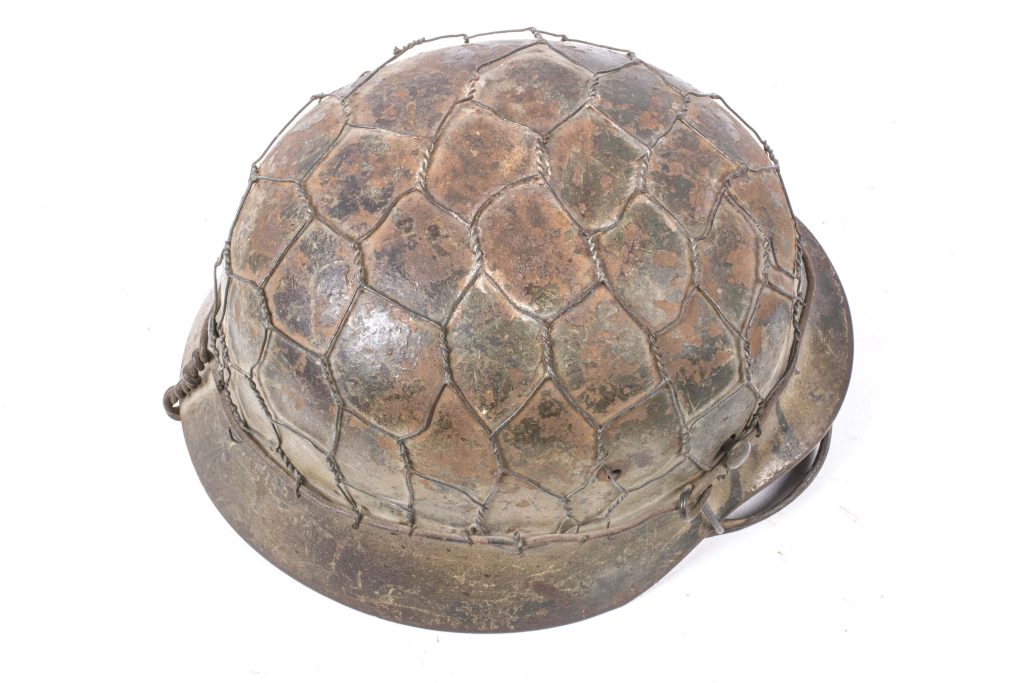
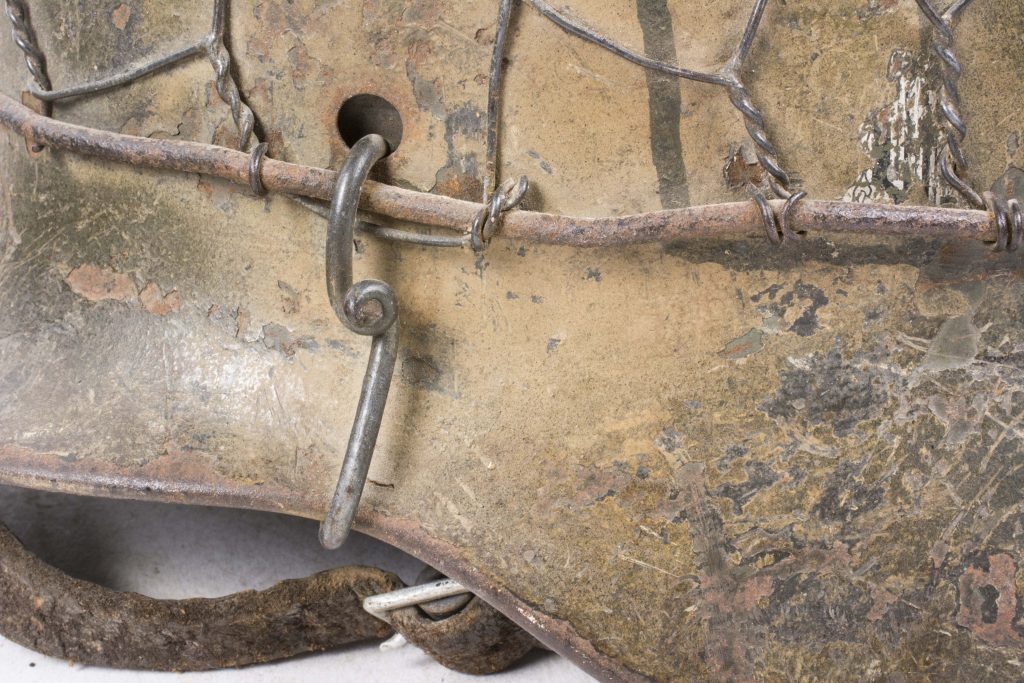
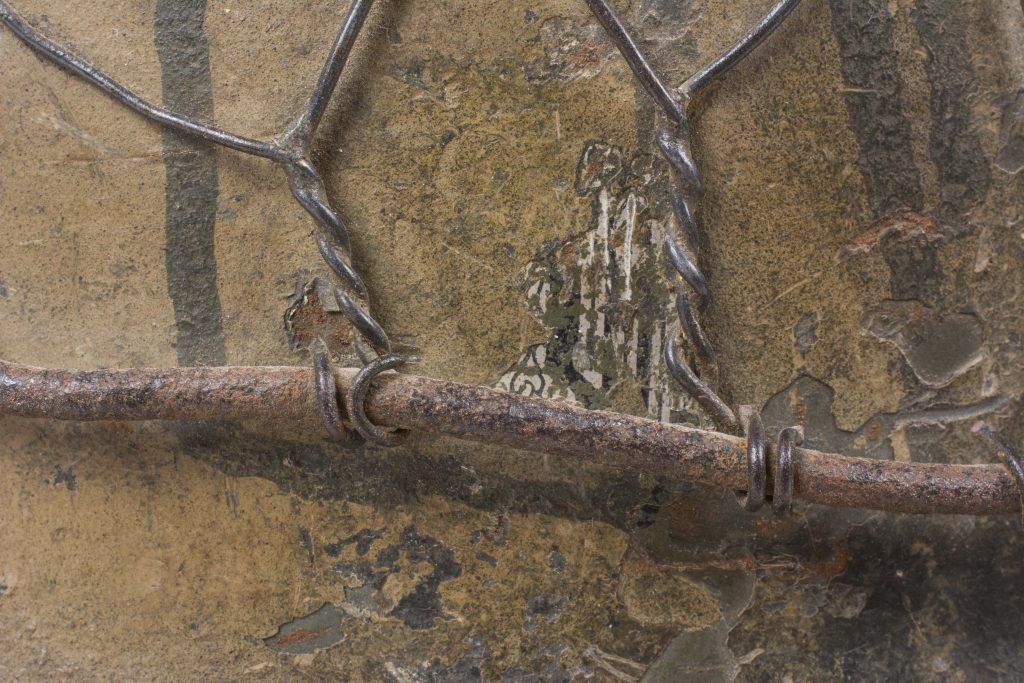
M35 Heer single decal helmet with large mesh half basket chickenwire net with a three-tone camouflage on top. The helmet is named inside to Gefreiter Zimmermann with the Feldpostnummer 48527 indicating Stab III, Stabs- u. 7.-9. Batterie Artillerie-Regiment 326 wich was attatched to the 326 Infanterie Division. This division was stationed and destroyed in Normandy.

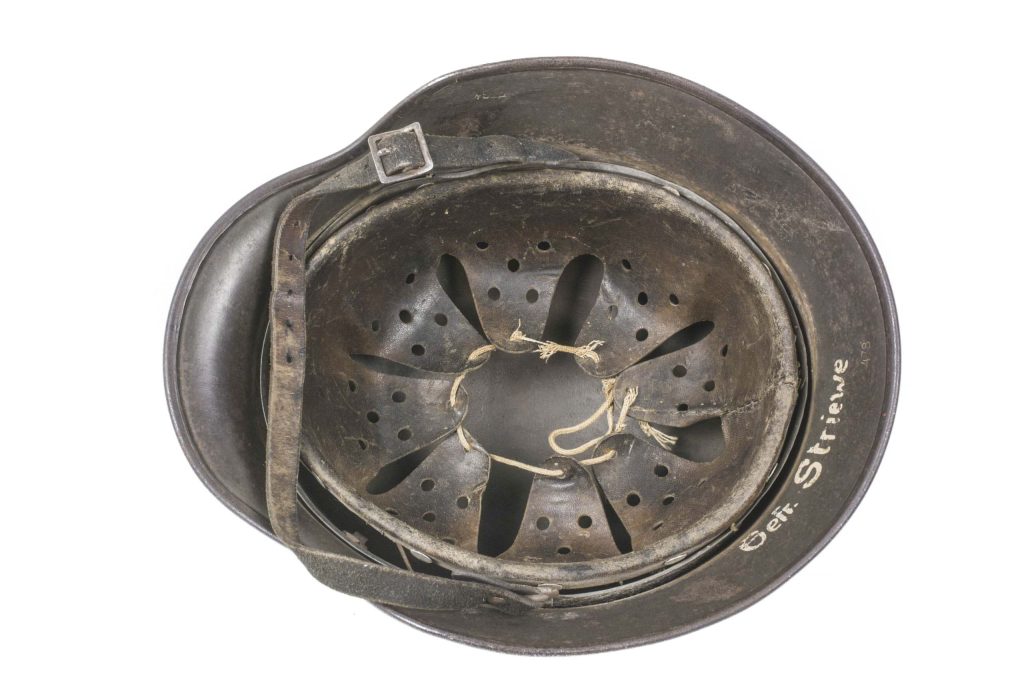
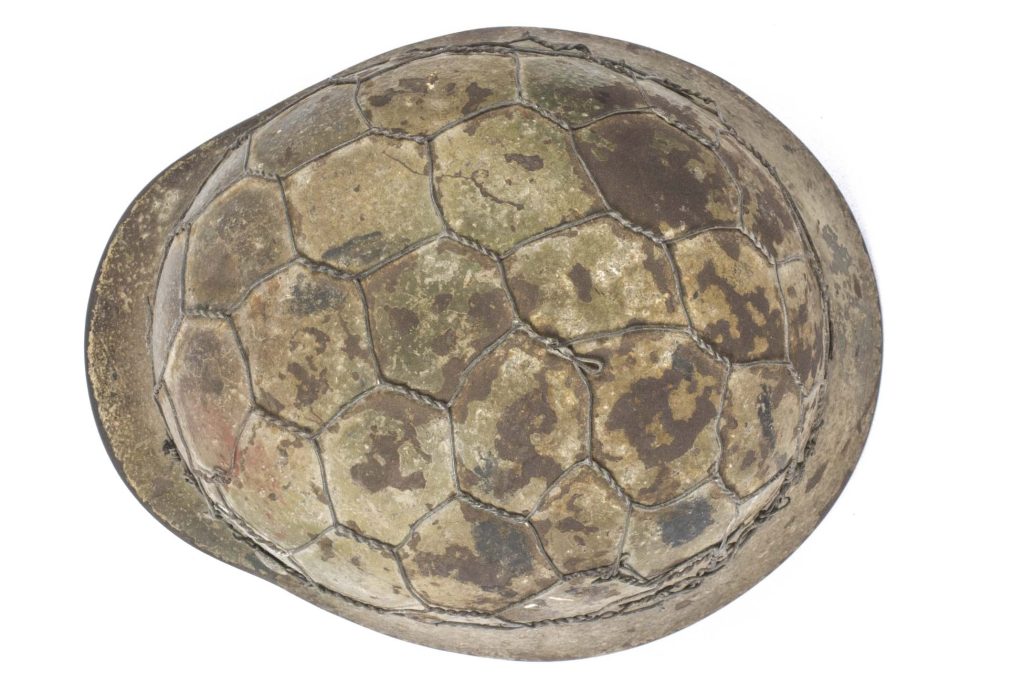
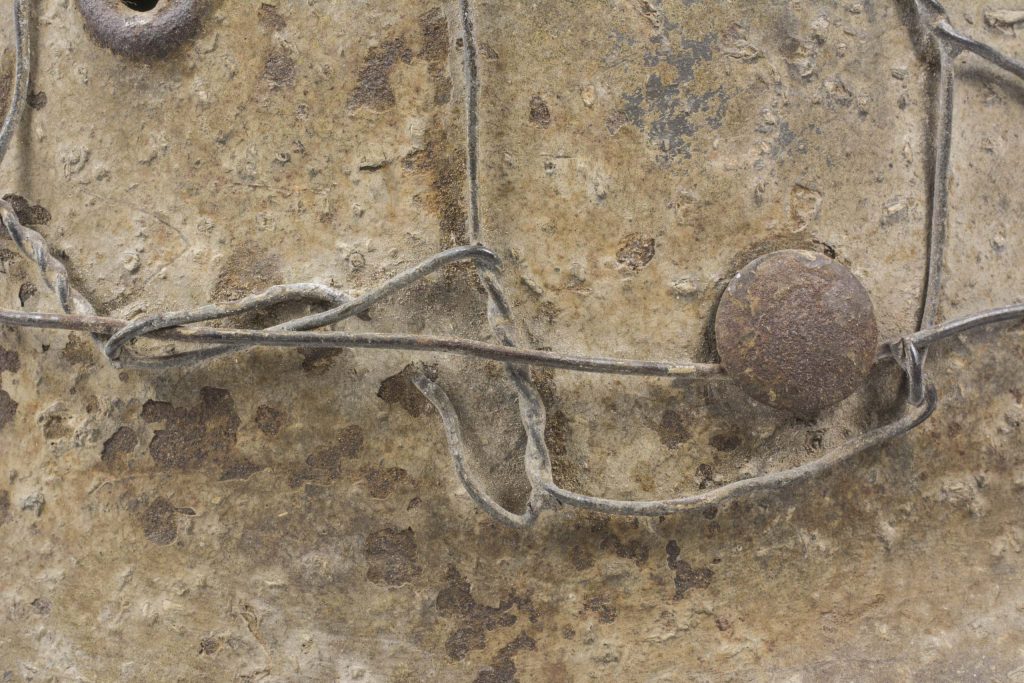
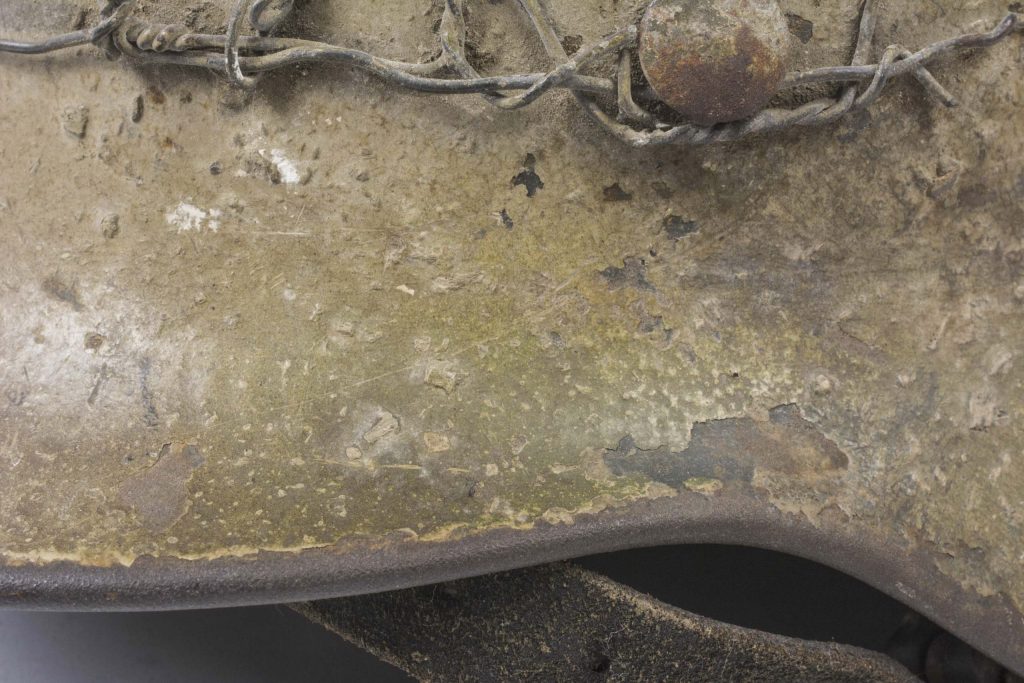
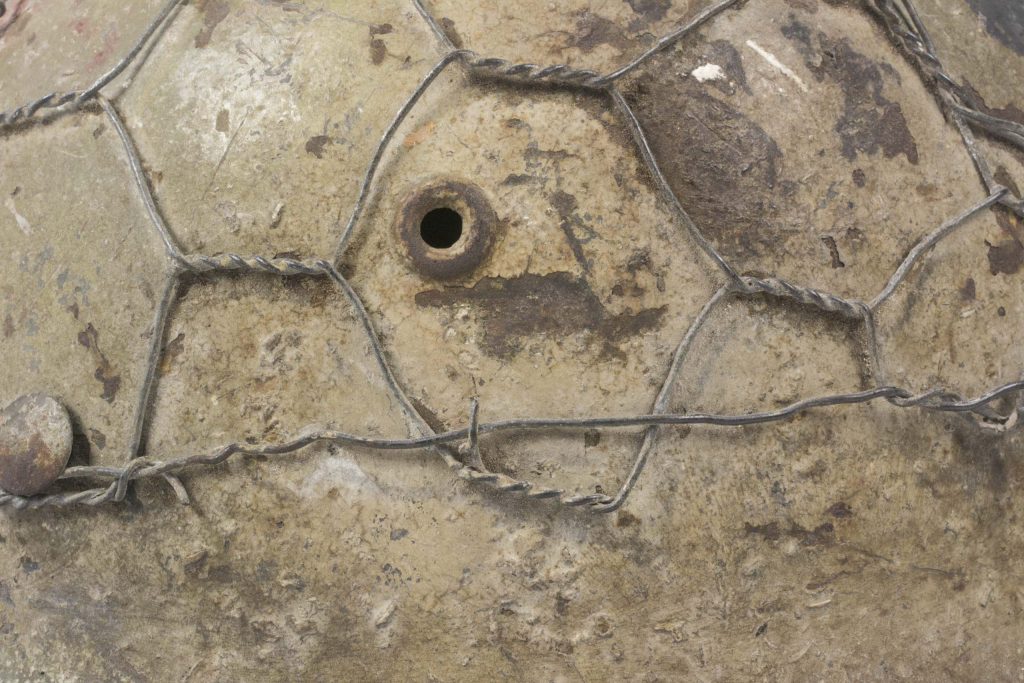
A M40 Heer single decal helmet with large mesh half basket chickenwire net with a three-tone camouflage with mixed in woodchips on top. Named inside Gefreiter Striewe.
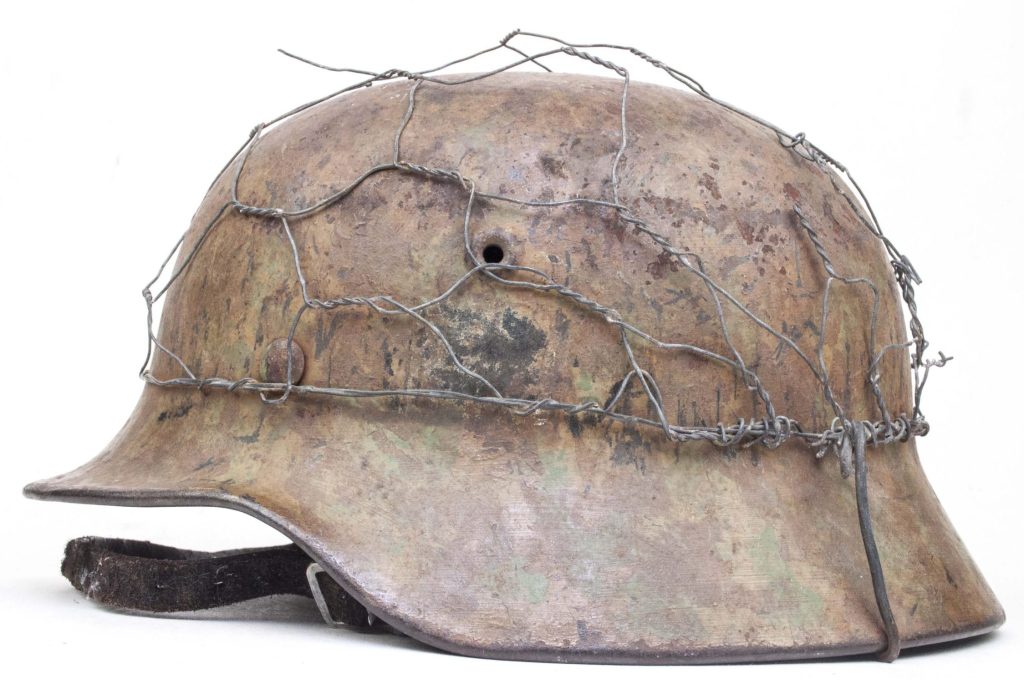
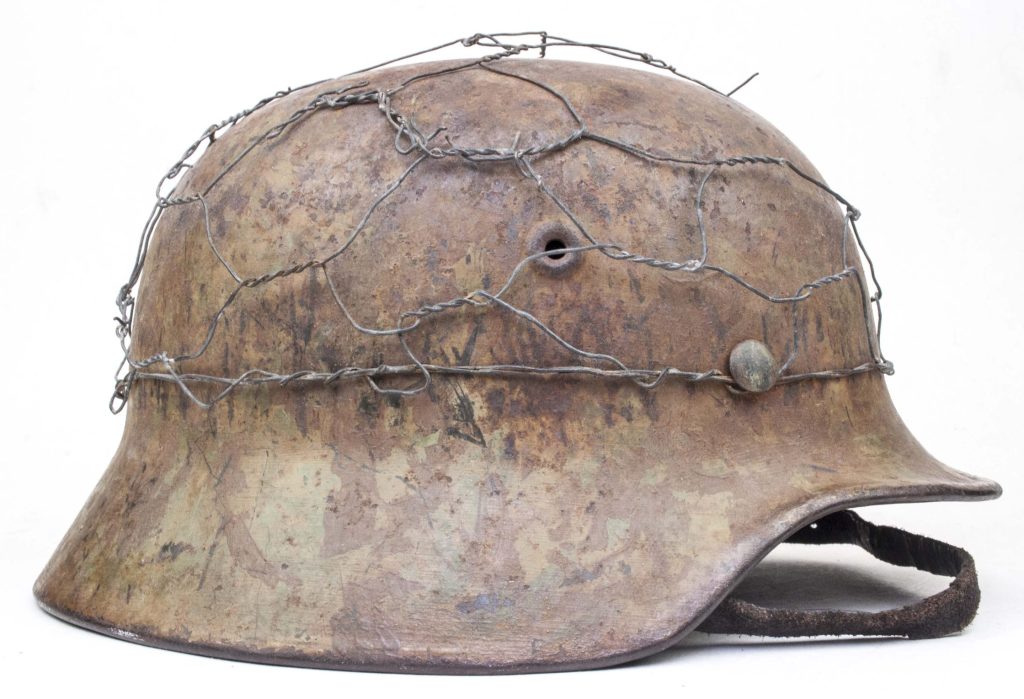
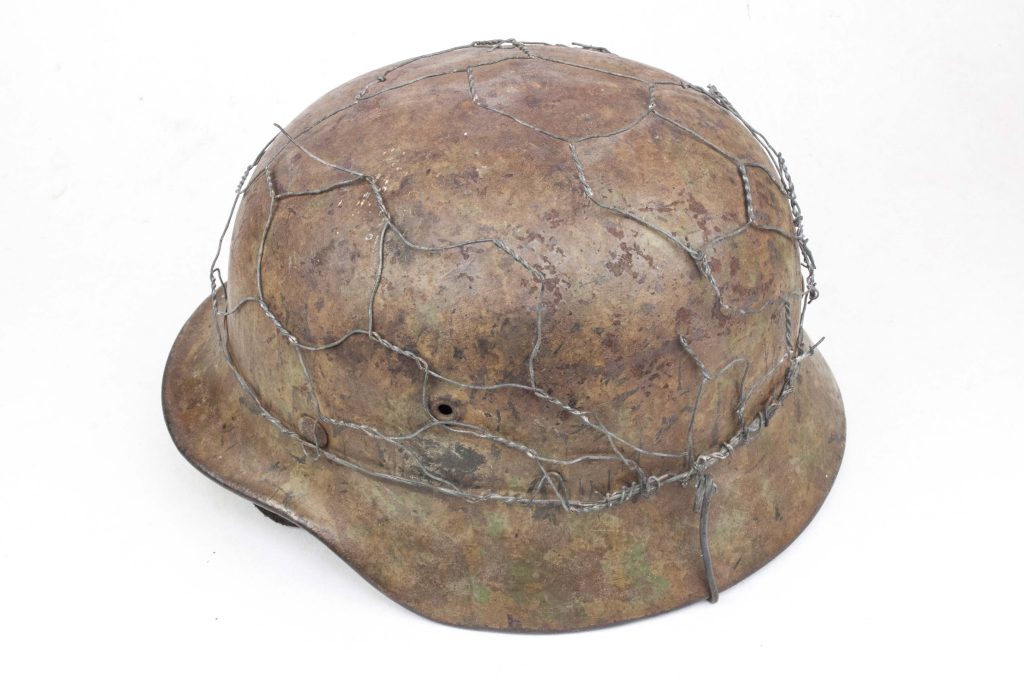
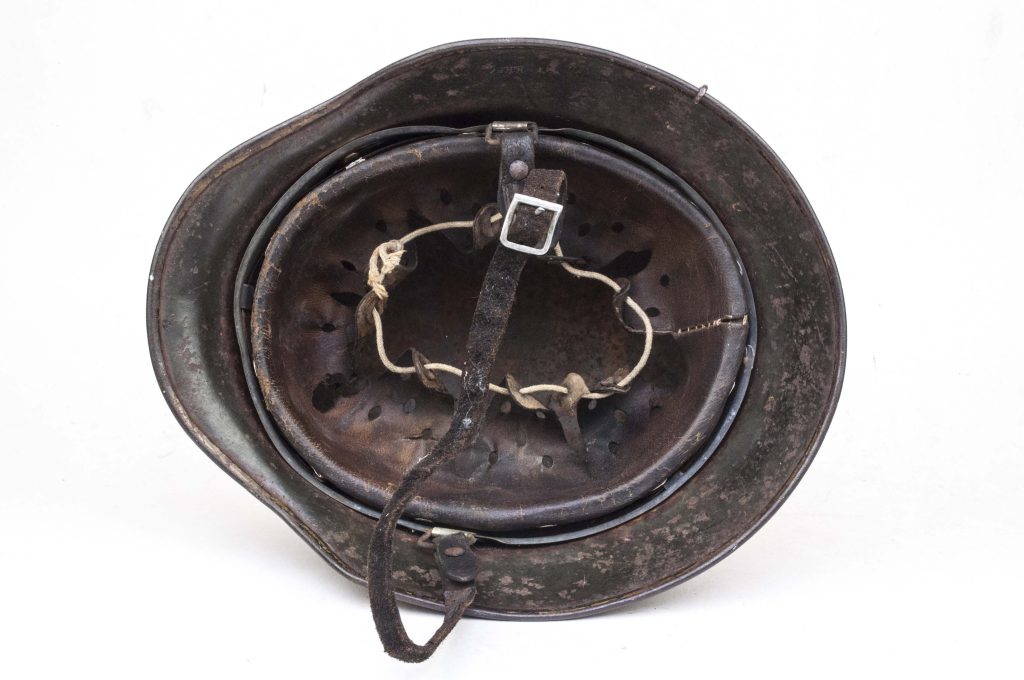
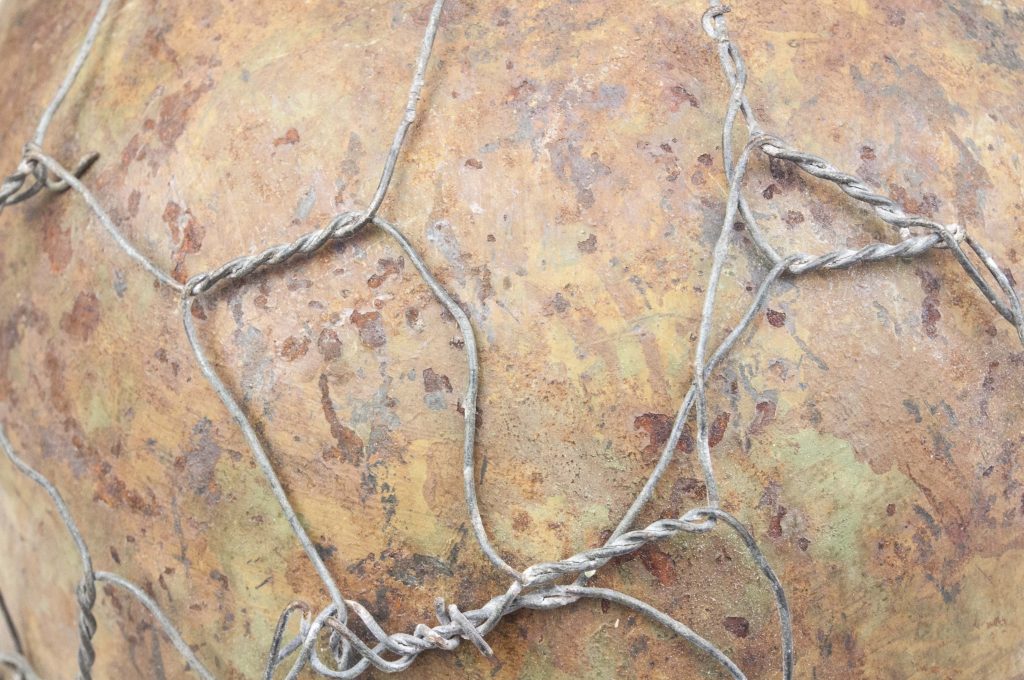

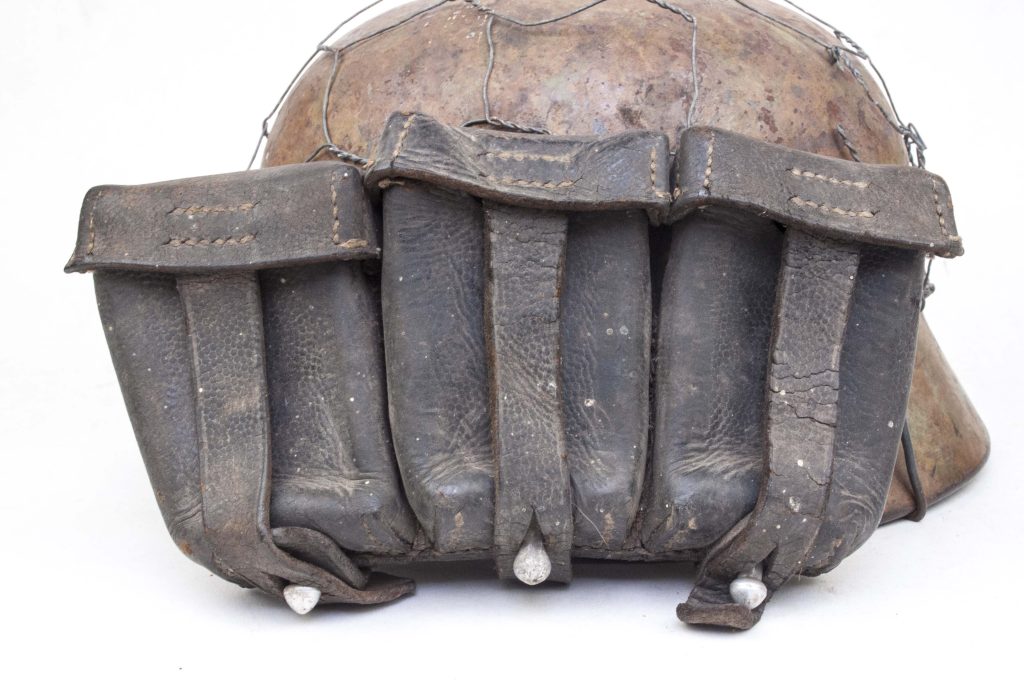
A M40 helmet finished in rough brush applied three-tone camouflage. This helmet bears the Kriegsmarine decal which can be seen trough the paint. This helmet woodwork find from Veendam, The Netherlands. It was found in a abandoned bunker together with the Kriegsmarine K98 pouch.
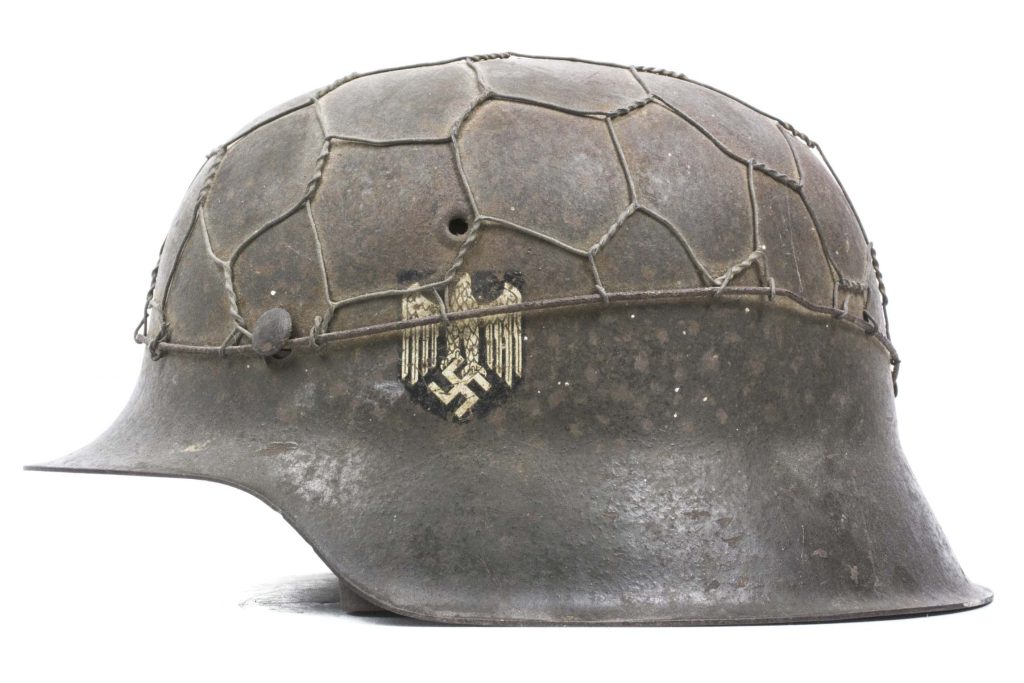
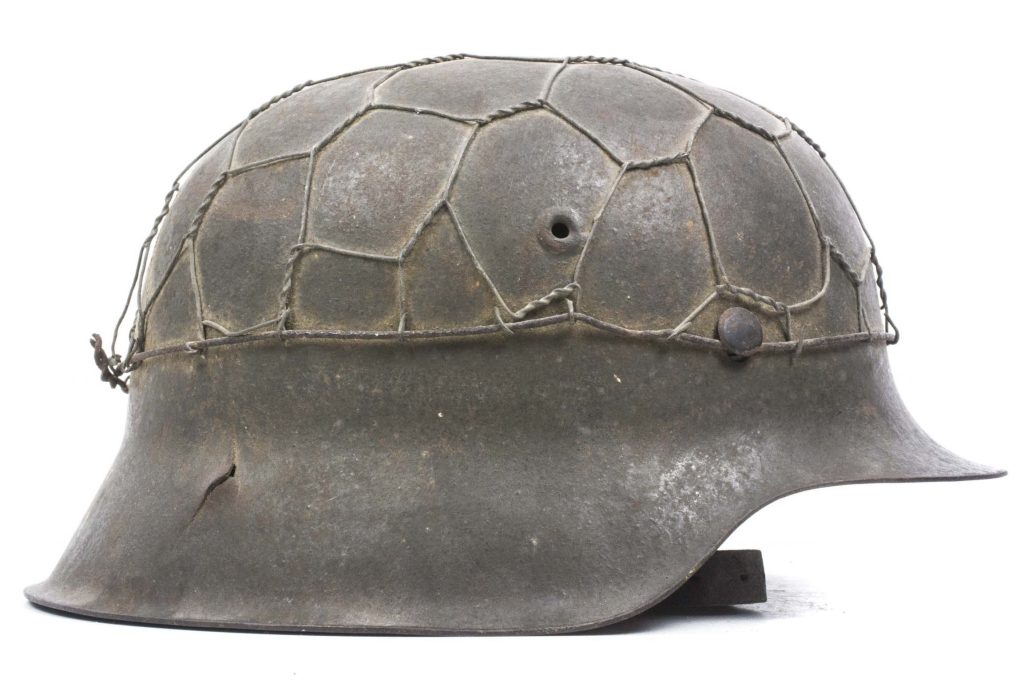
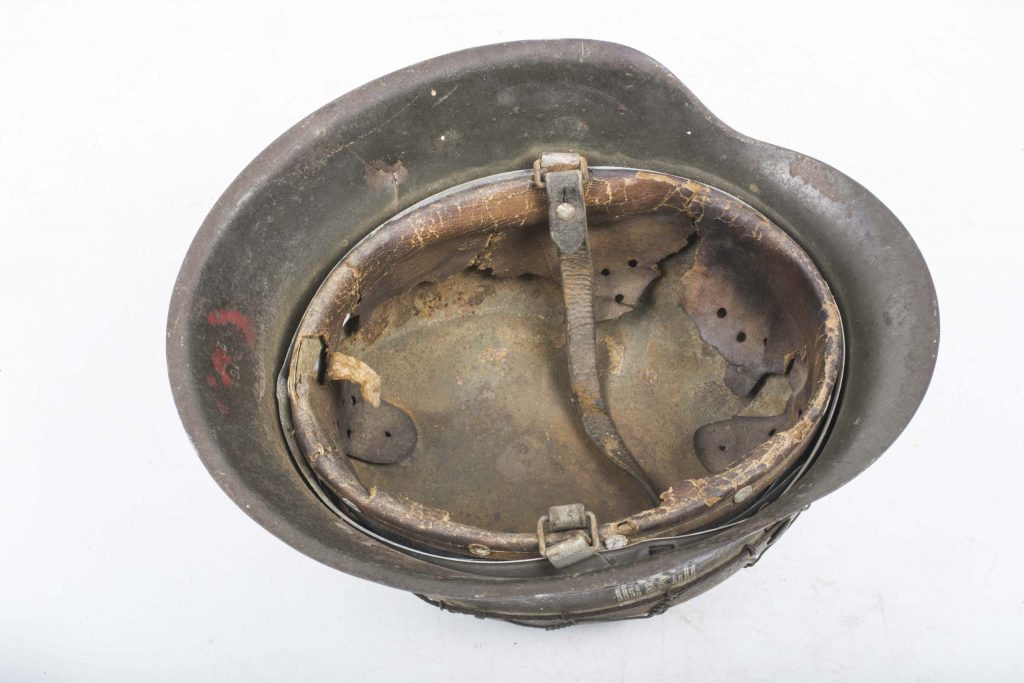
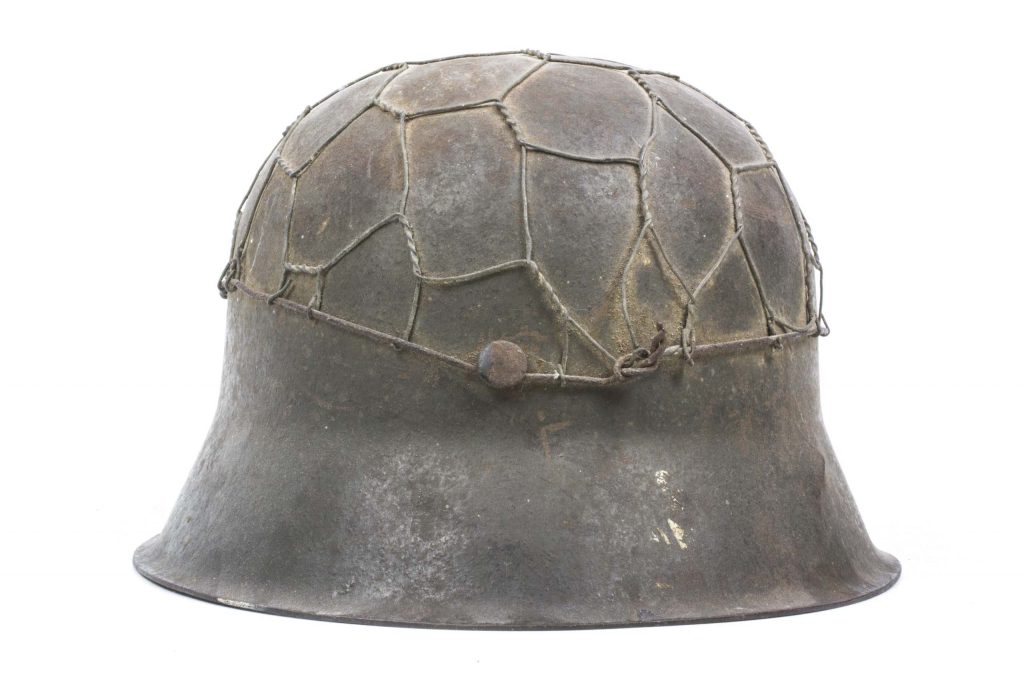
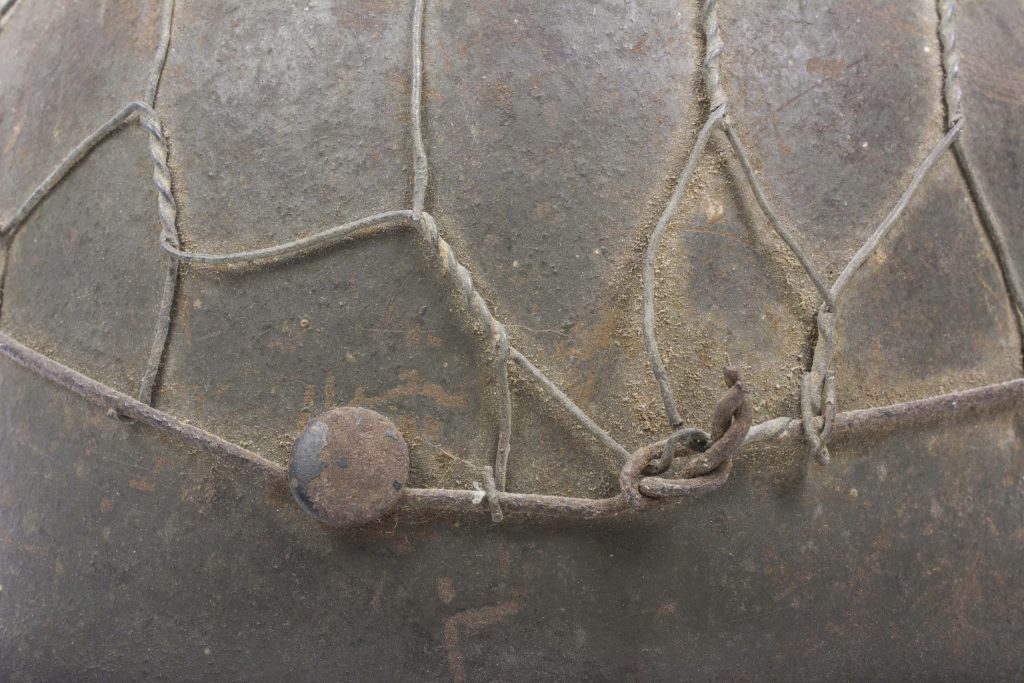
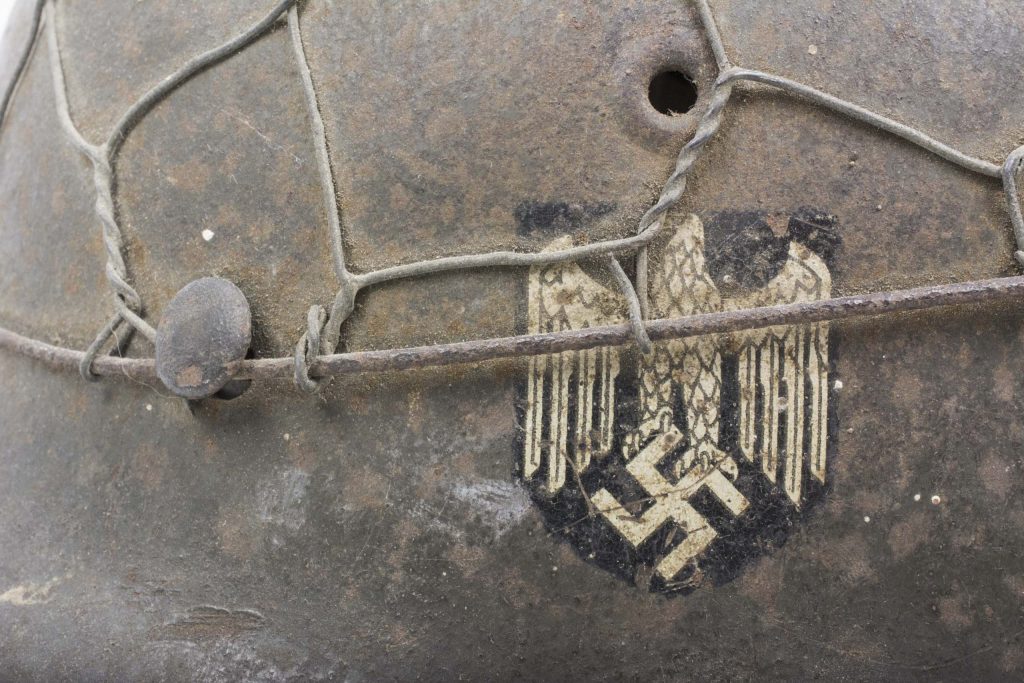
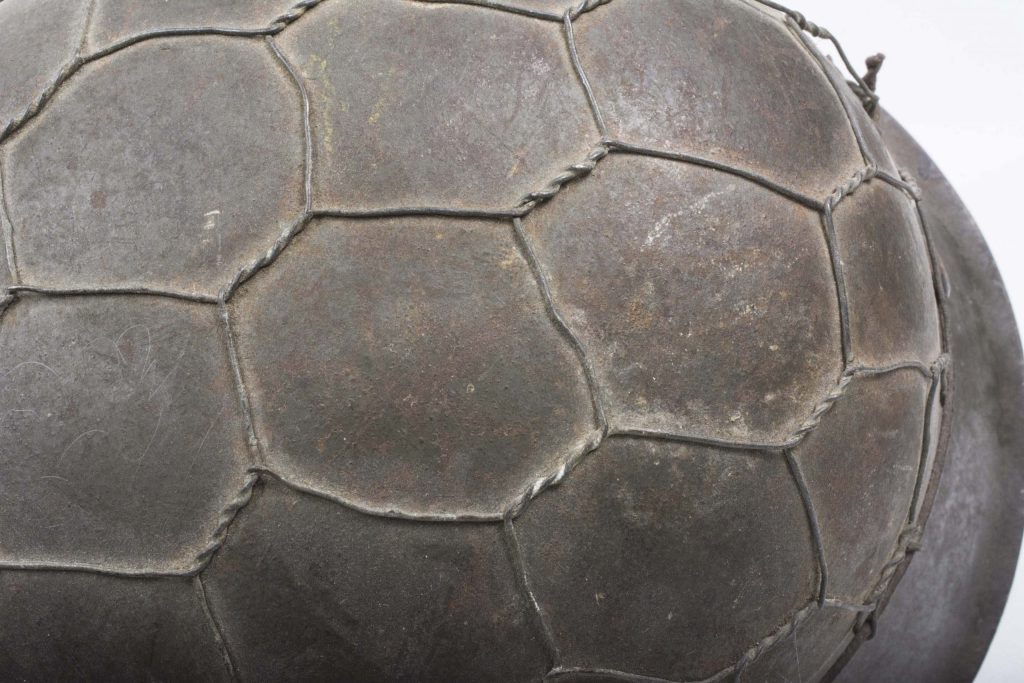
A M42 Heer single decal helmet with large mesh half basket chickenwire net applied on the rivets.
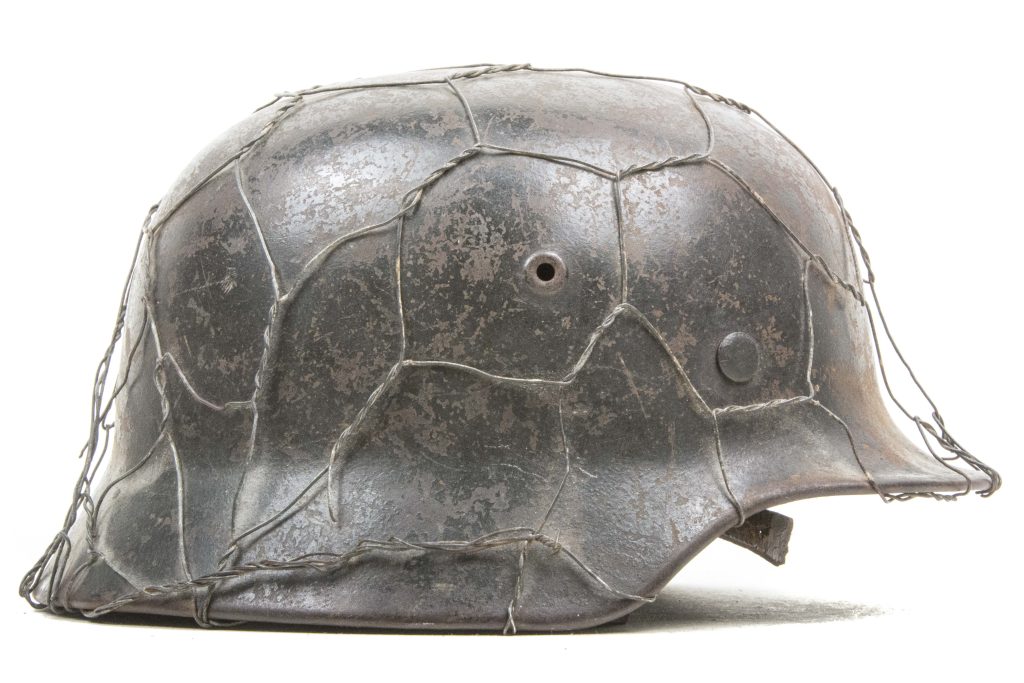
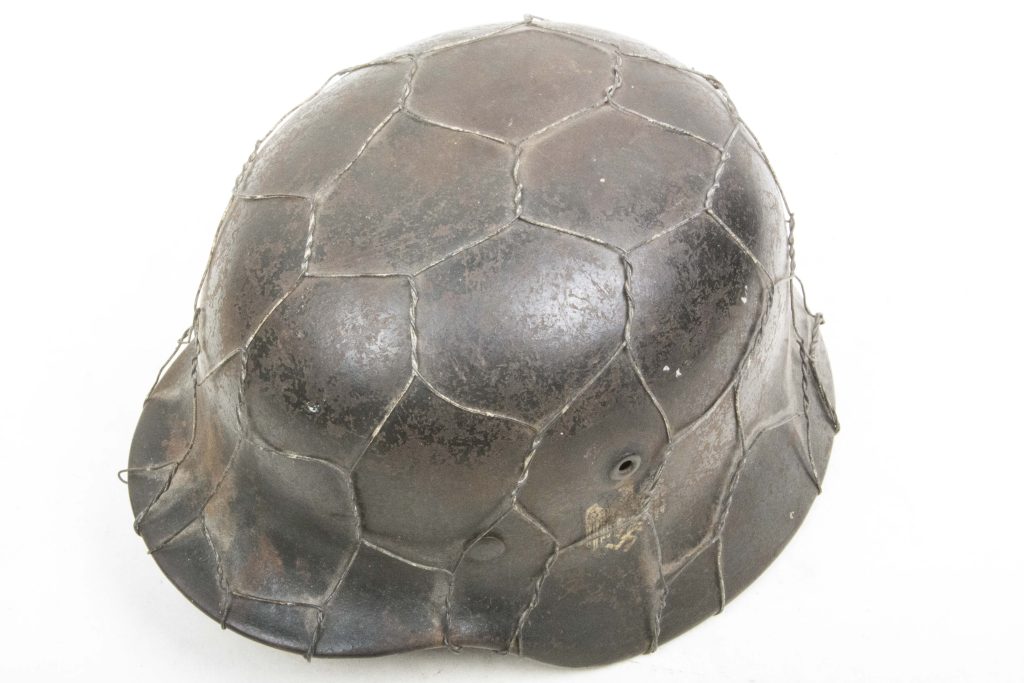
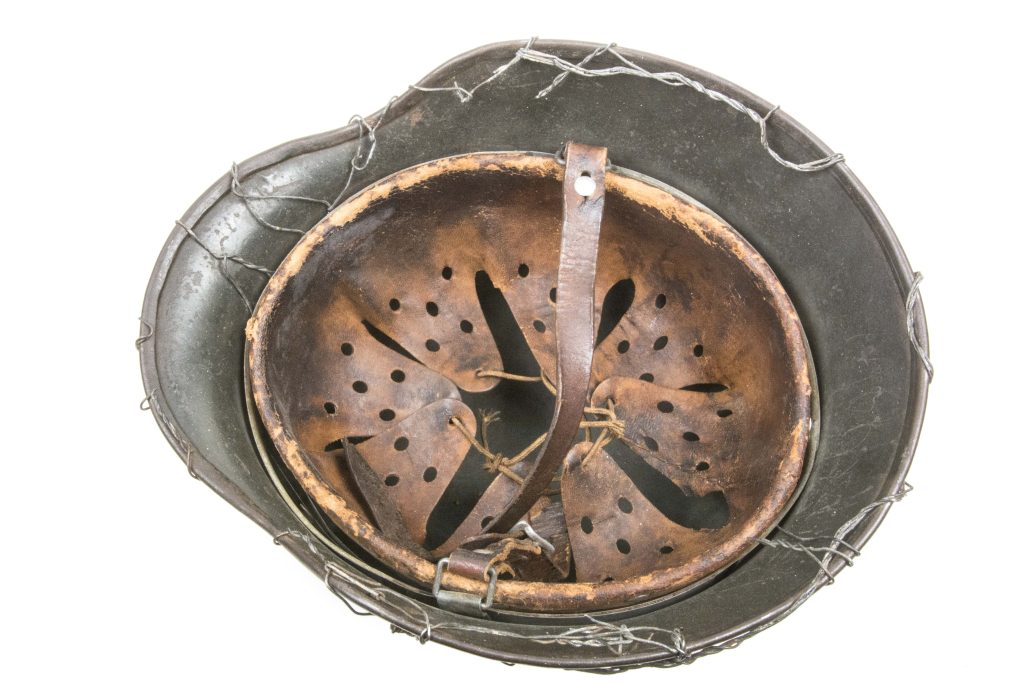
A M40 Heer single decal helmet with large mesh full basket chickenwire net.
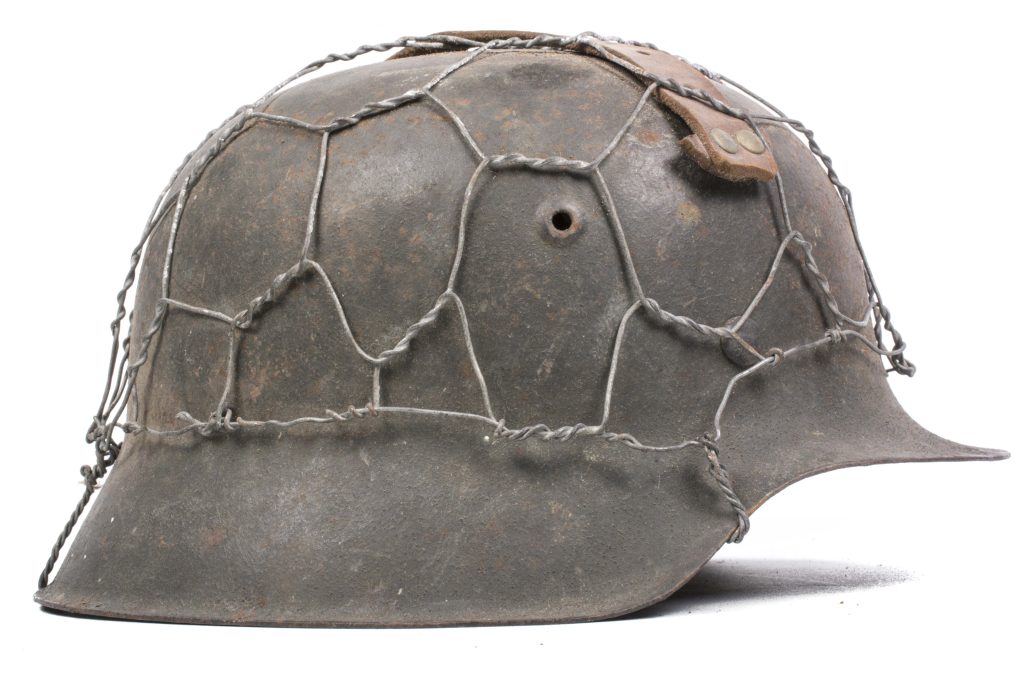
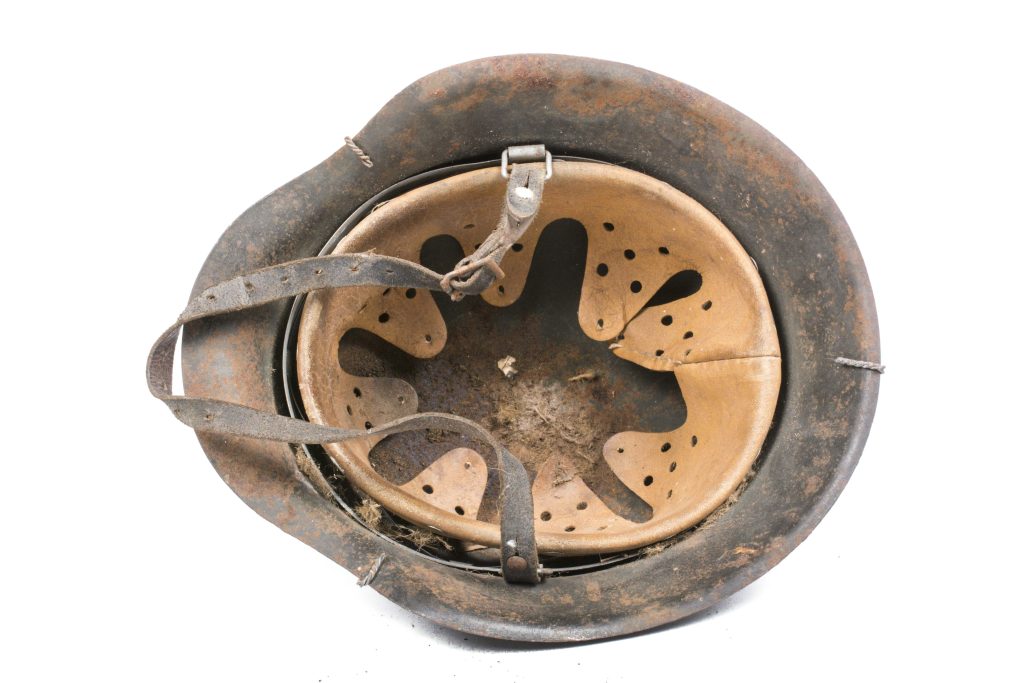
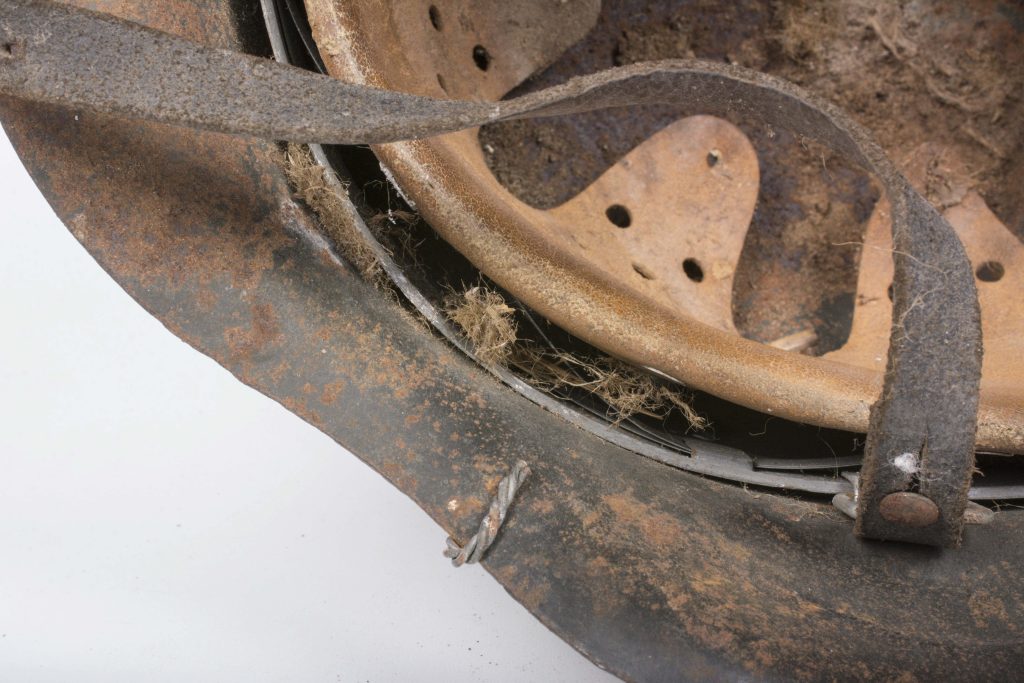
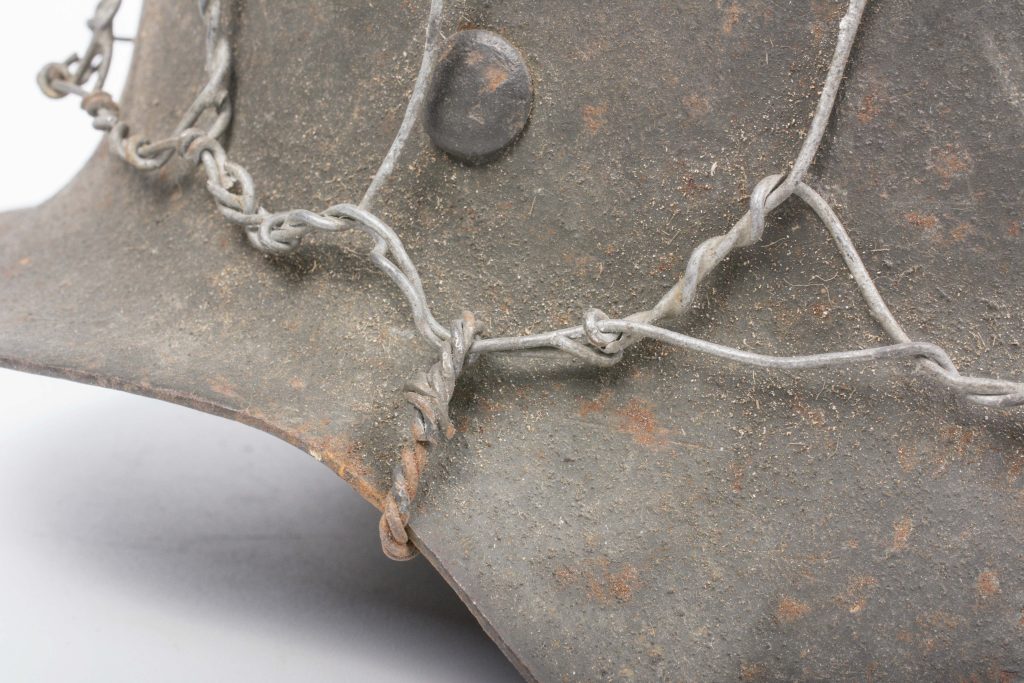
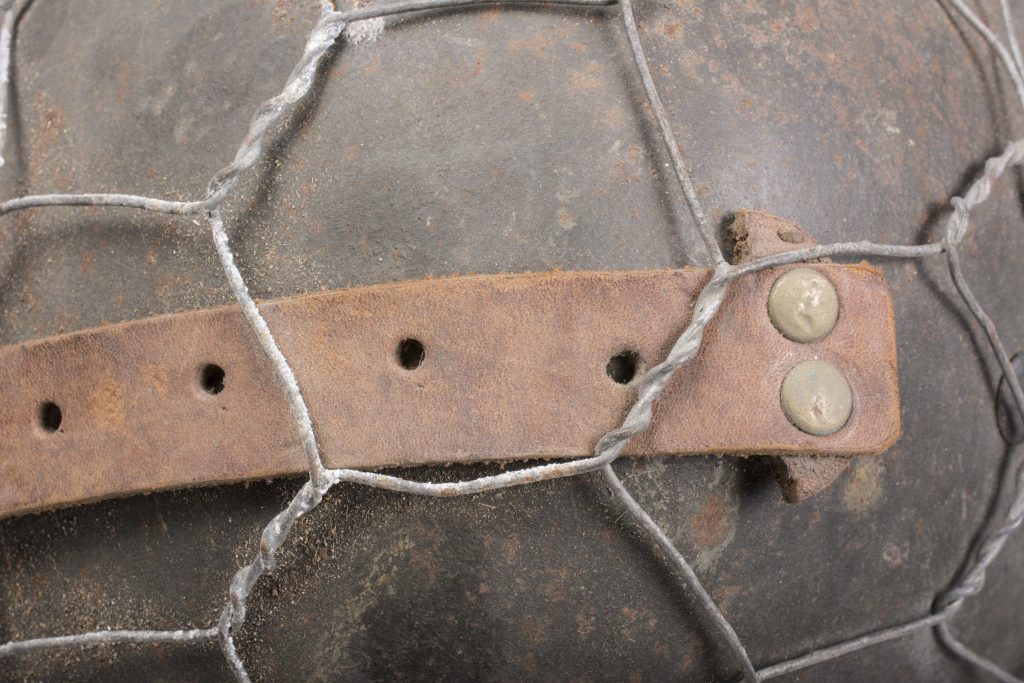
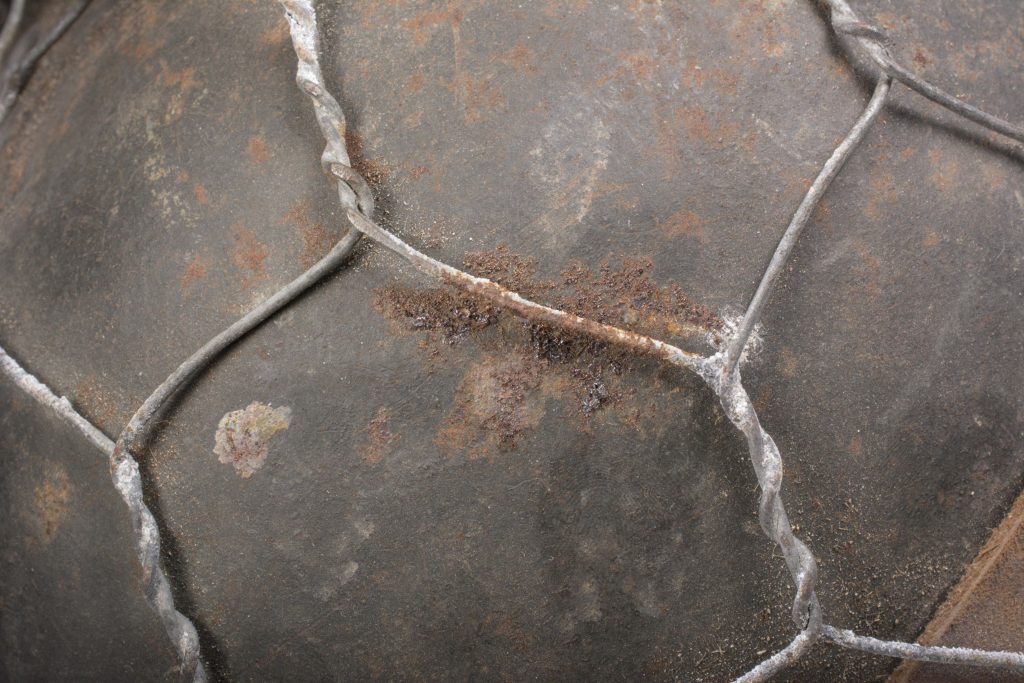
A textbook no decal half backet chickenwire helmet. This helmet came out of the Normandy region about 4 years ago. Underneath the net on the top is a piece of French pre war Y-strap which has always been on there. You can see this helmet in the Normandy Victory Museum
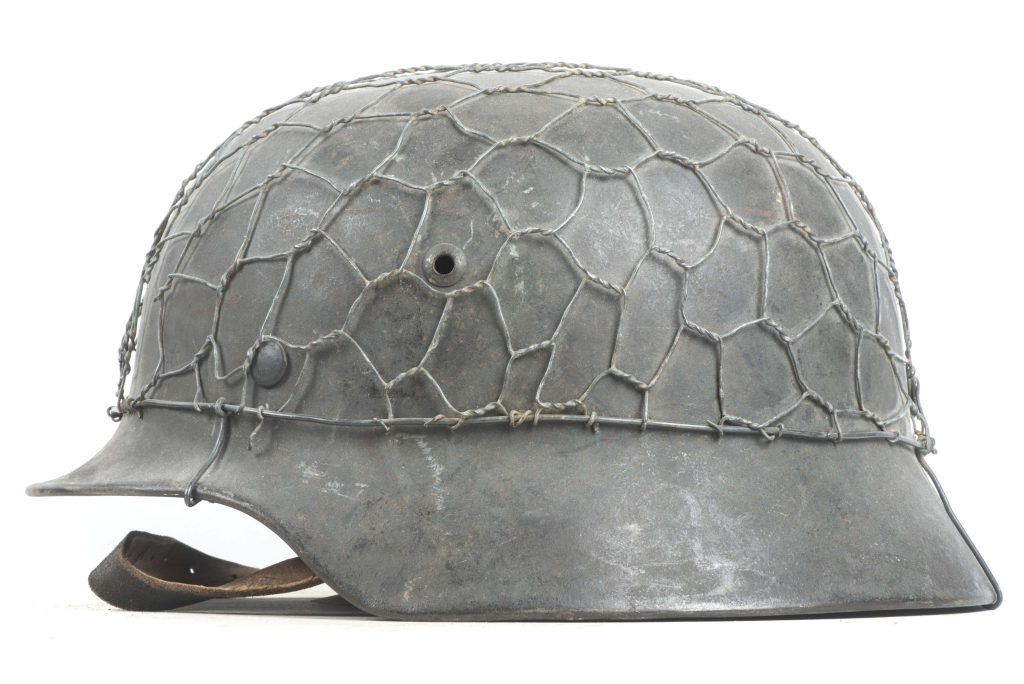

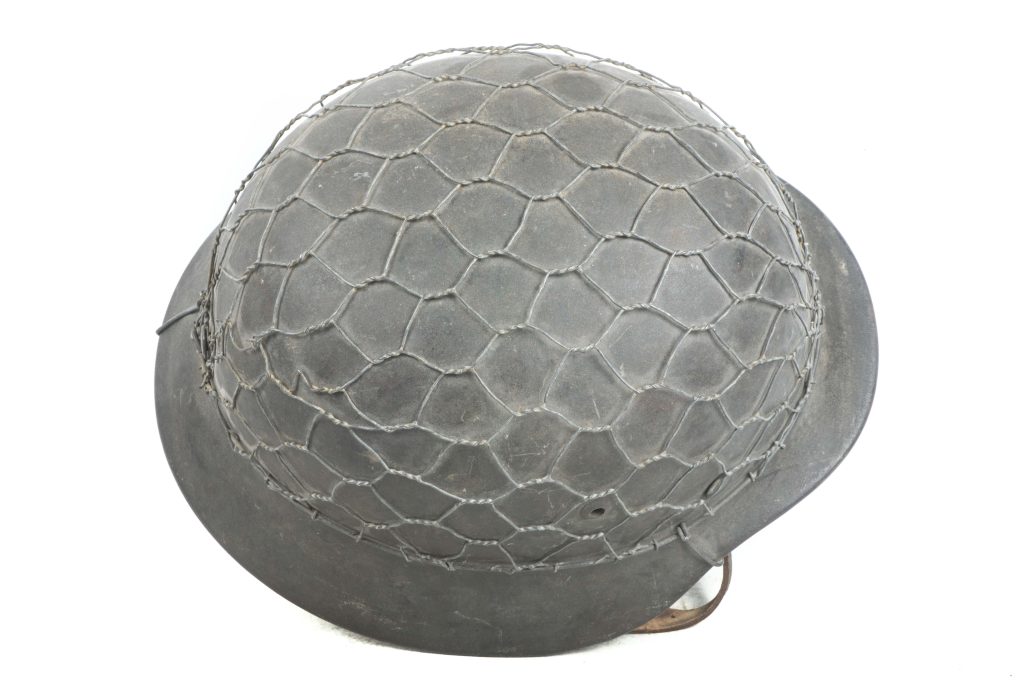
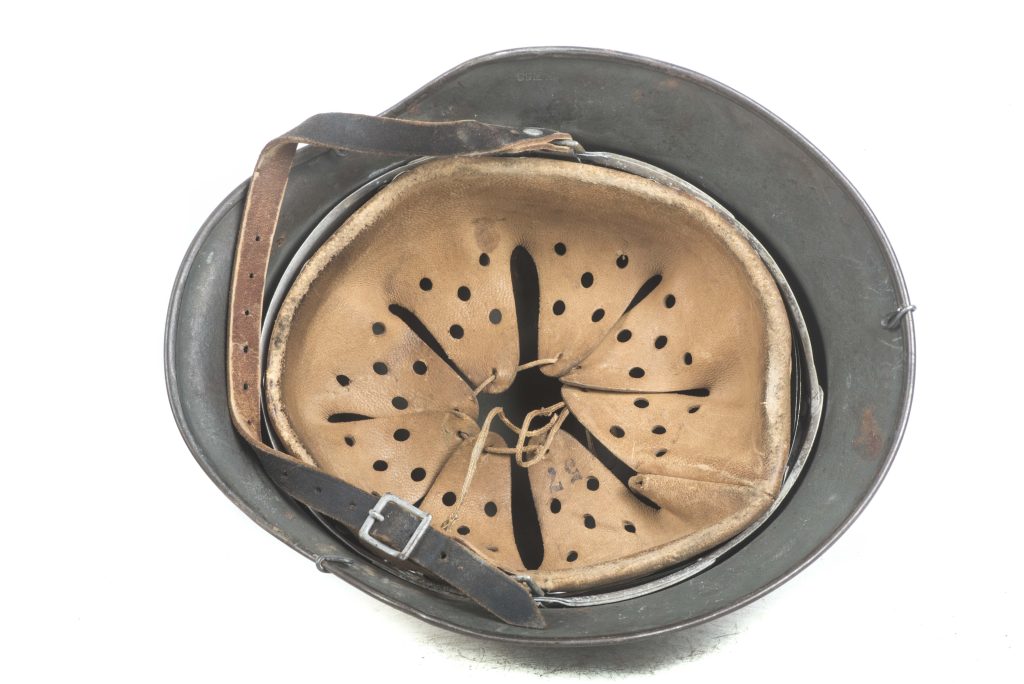
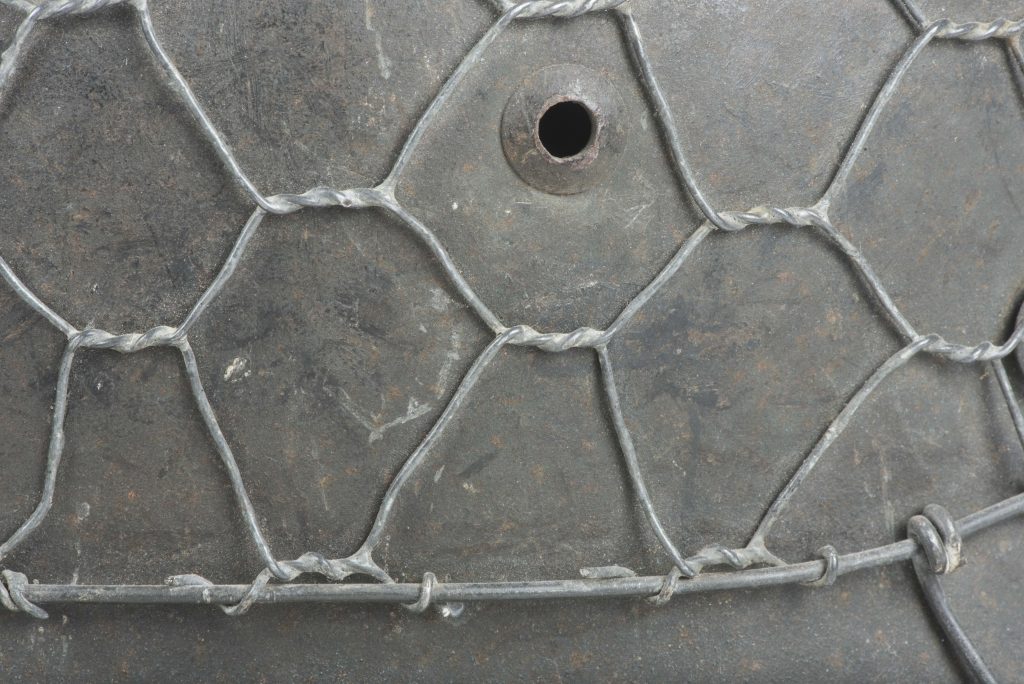
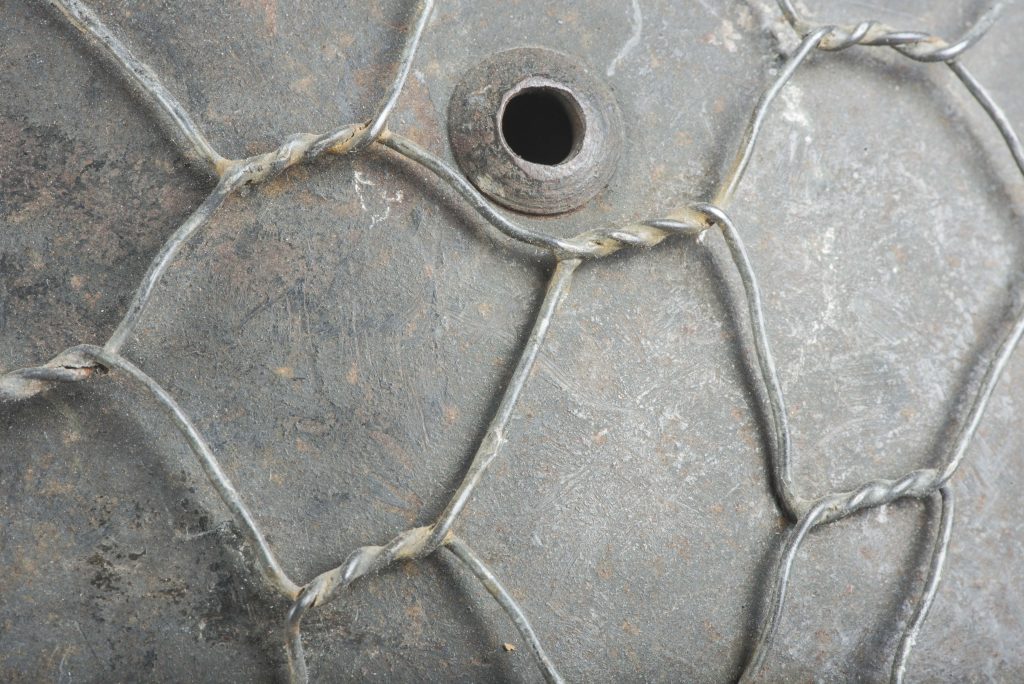
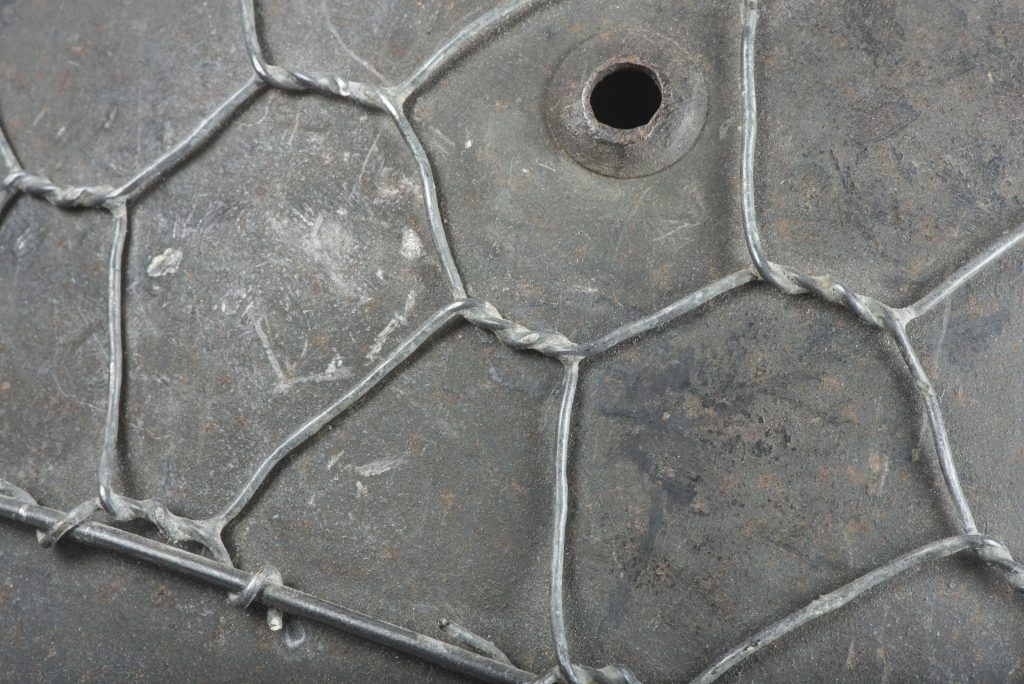
M35 Heer or Kriegsmarine reissue helmet with small mesh half basket chickenwire net. Originally from Normandy.
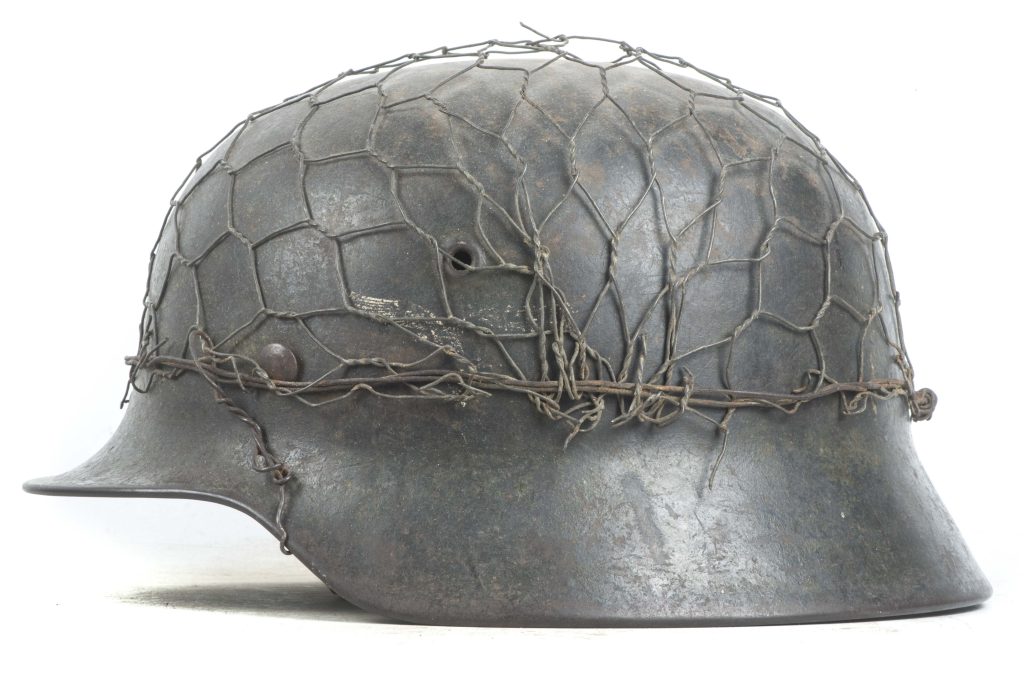
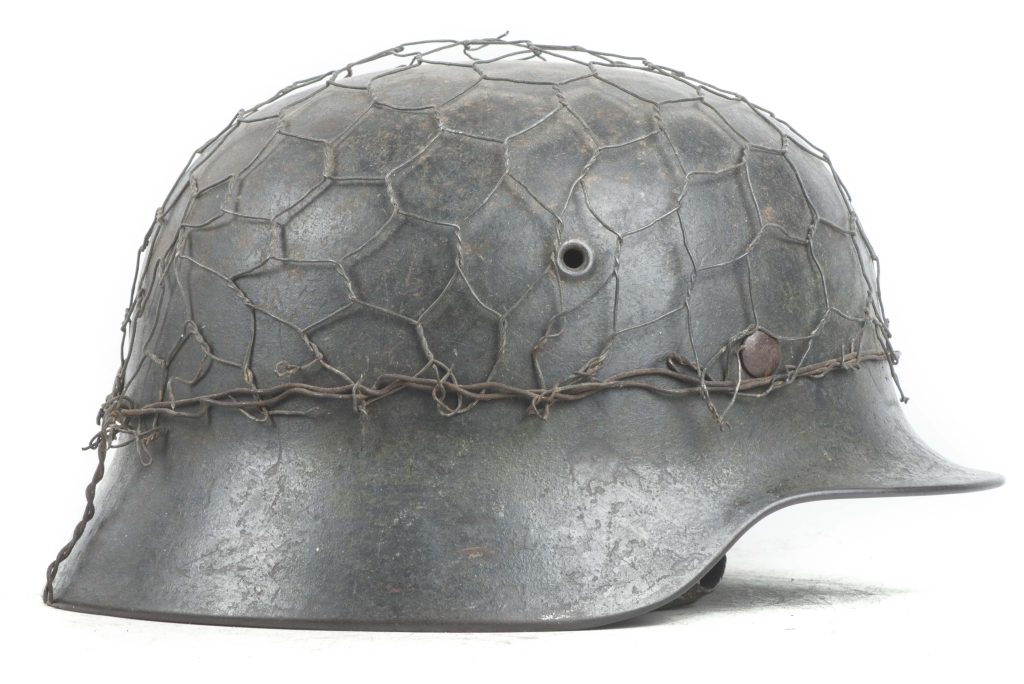
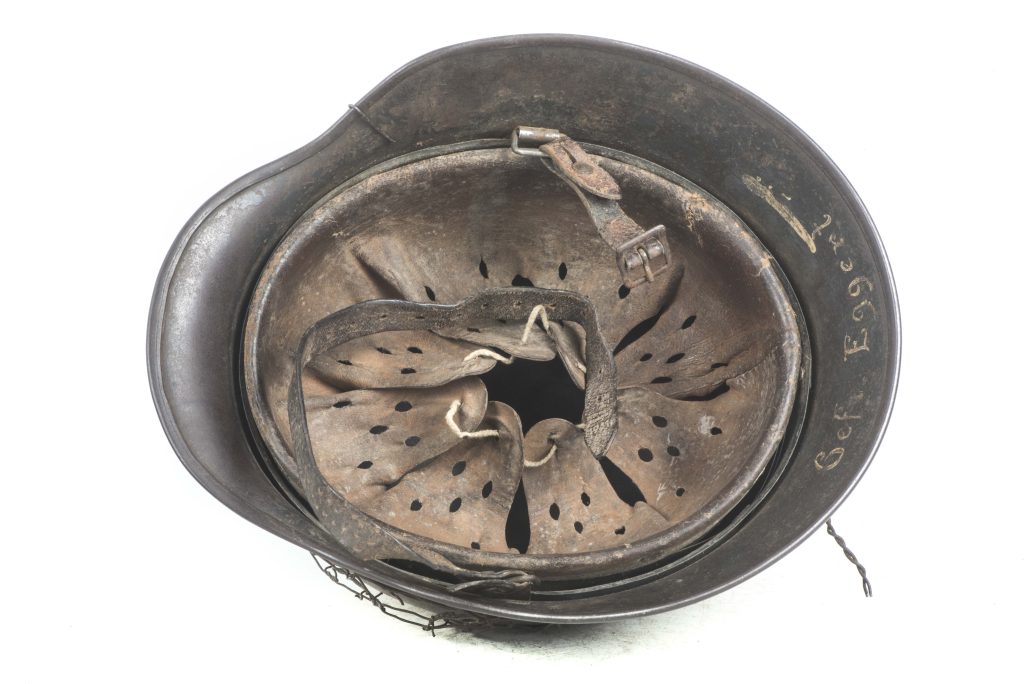
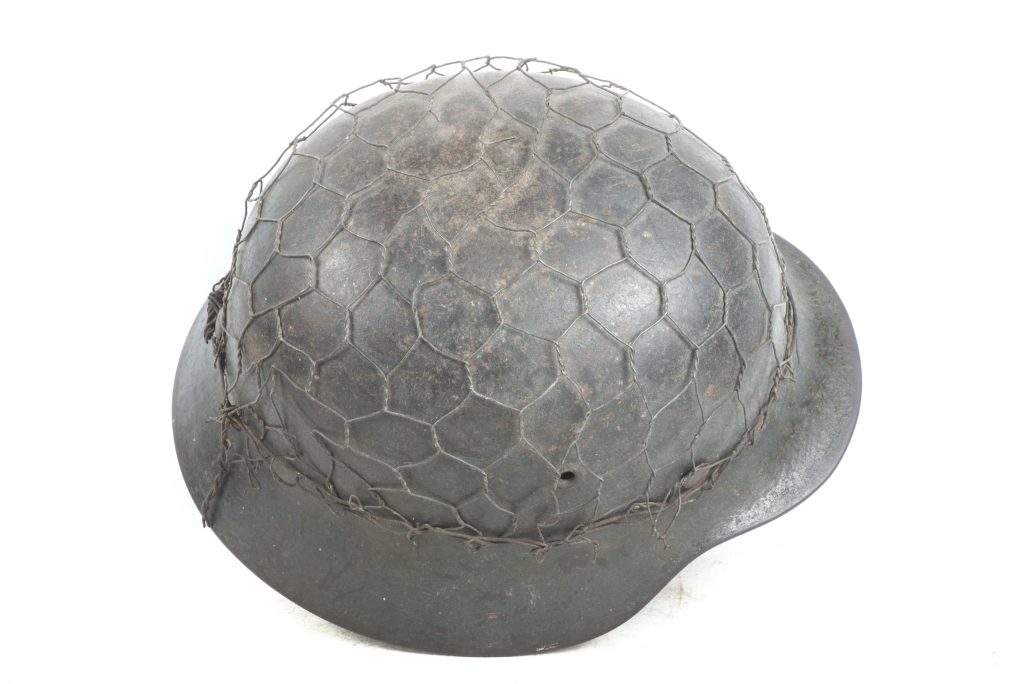
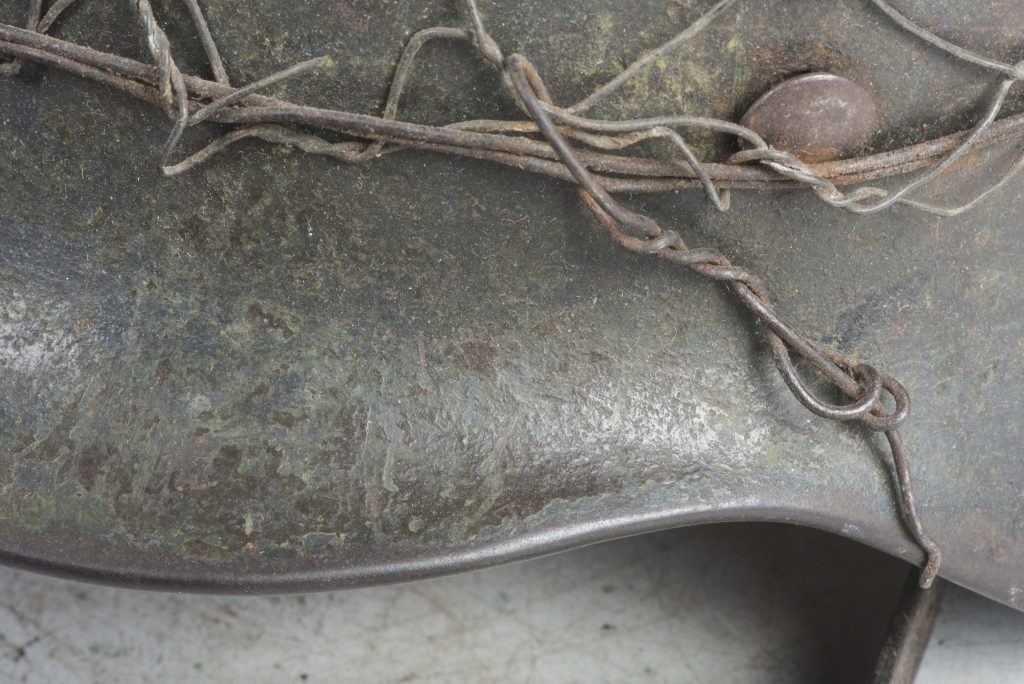
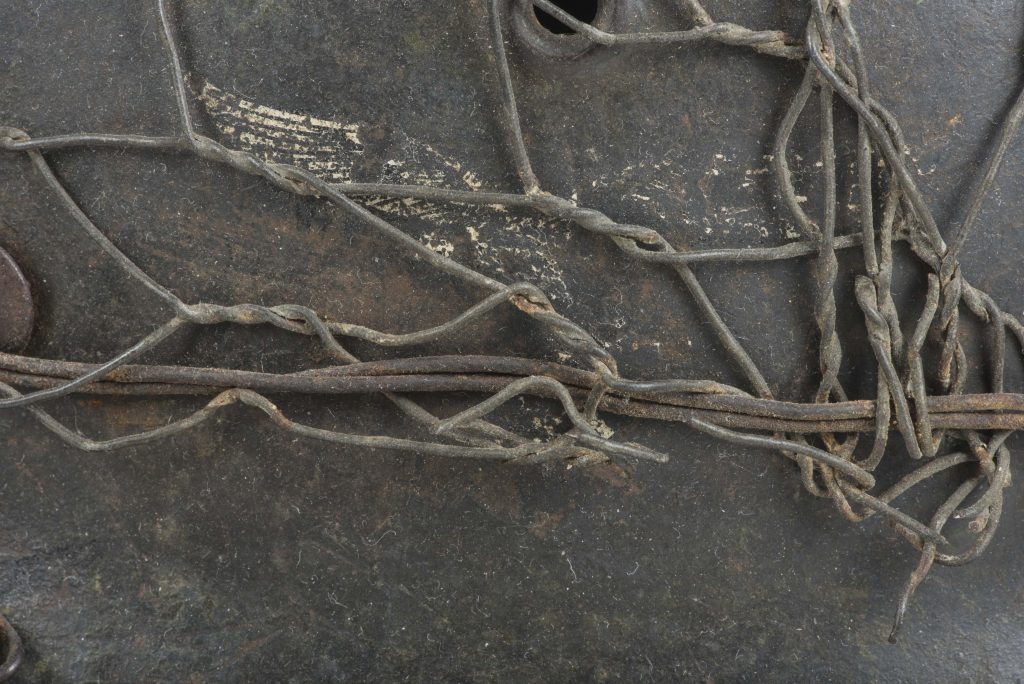
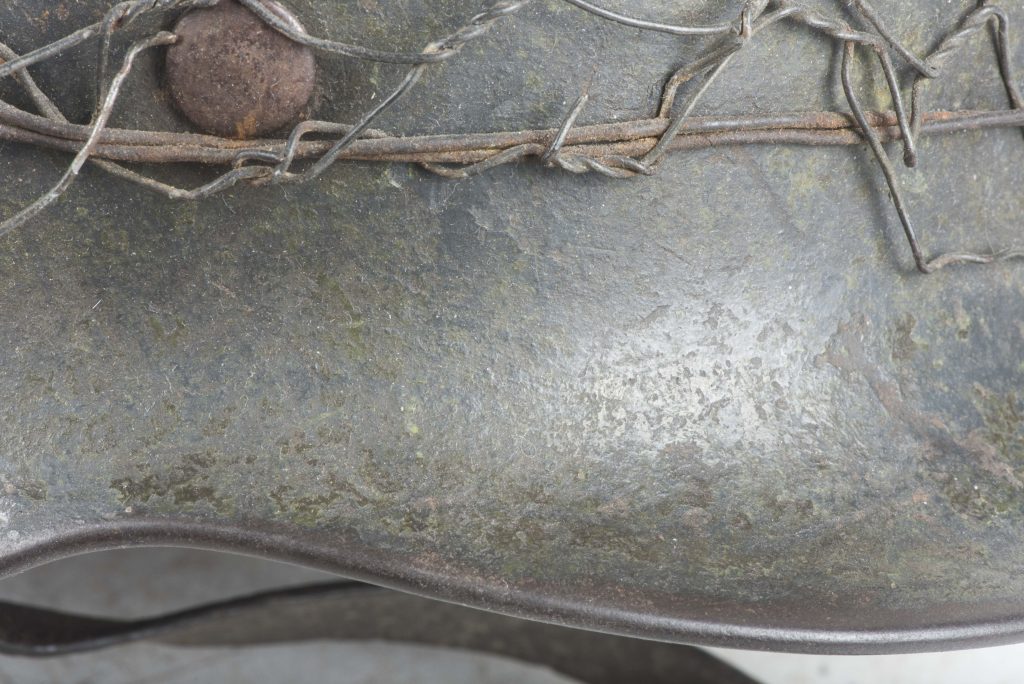
M40 Luftwaffe single decal helmet with small mesh half basket chickenwire net and a three-tone camouflage paint which seems to be nearly completely worn off.
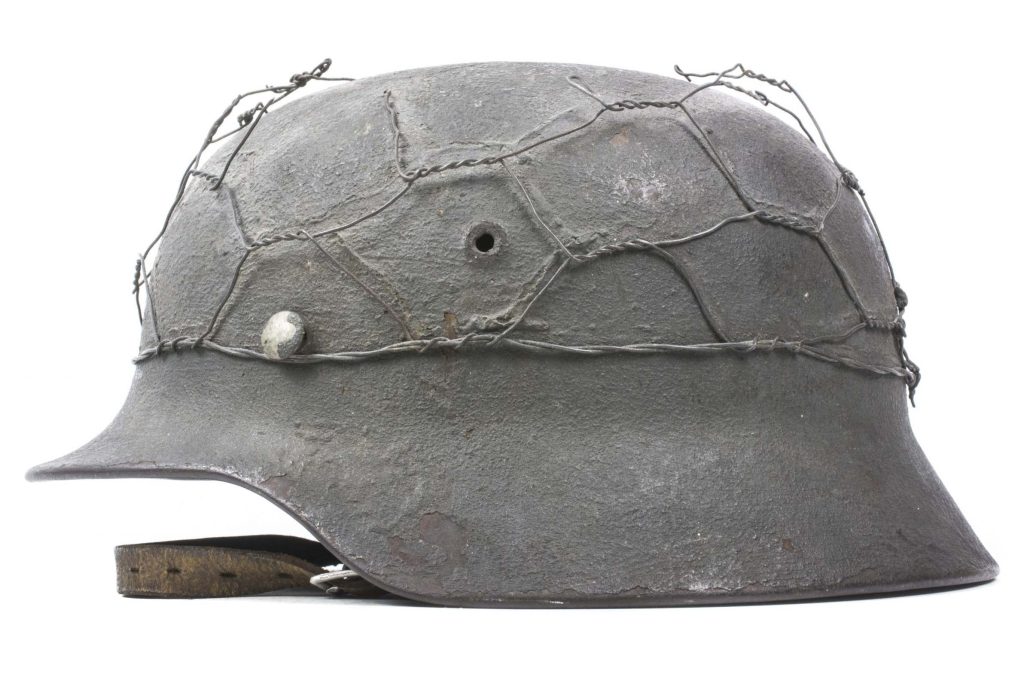
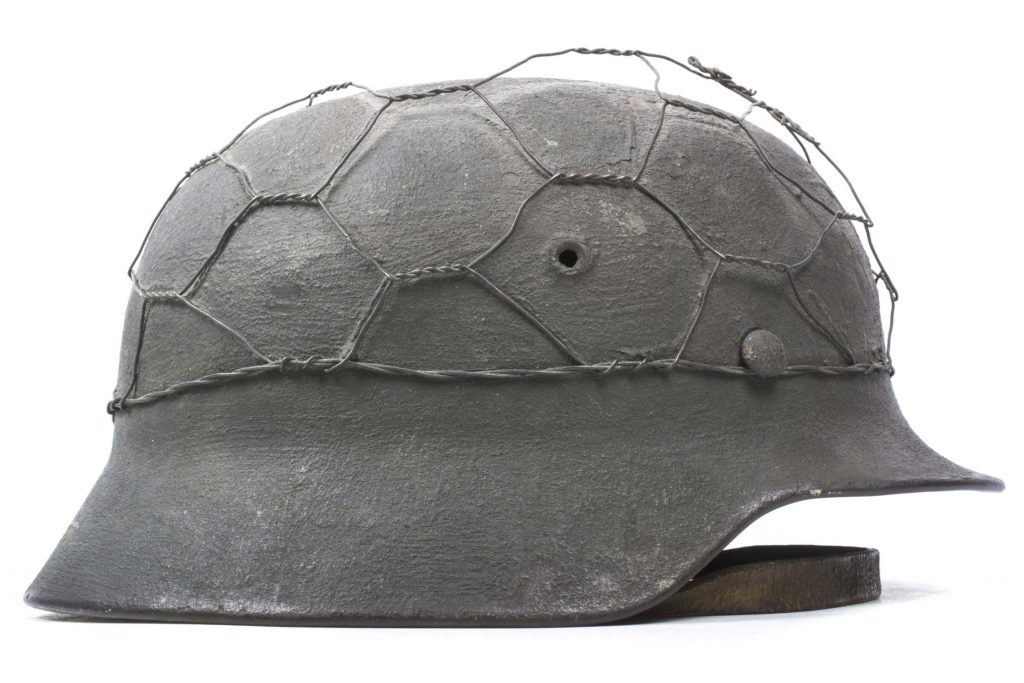
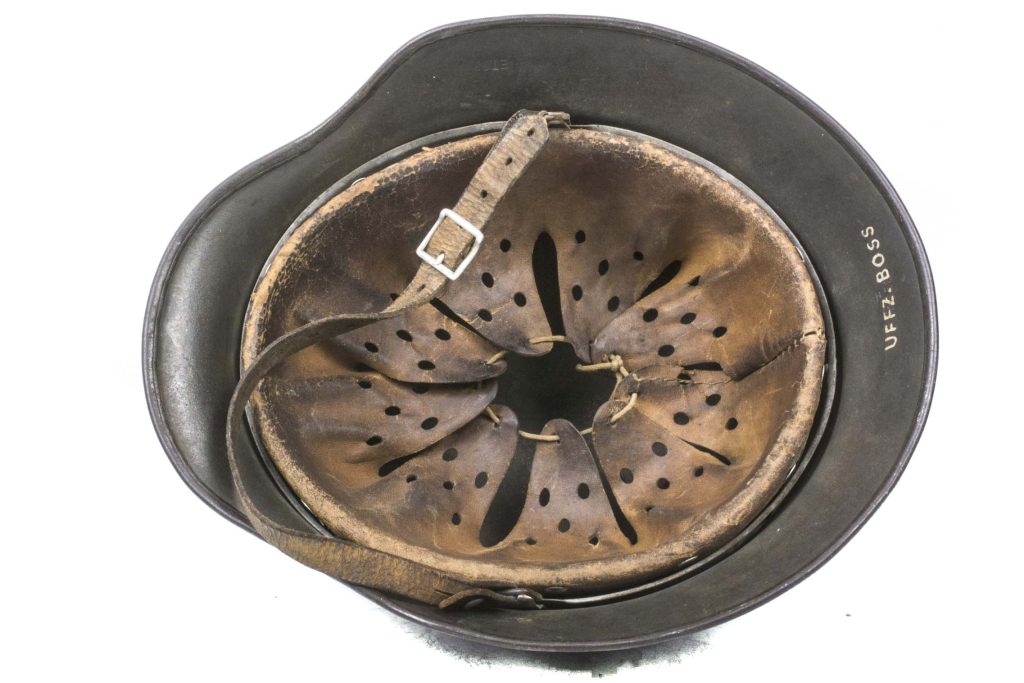
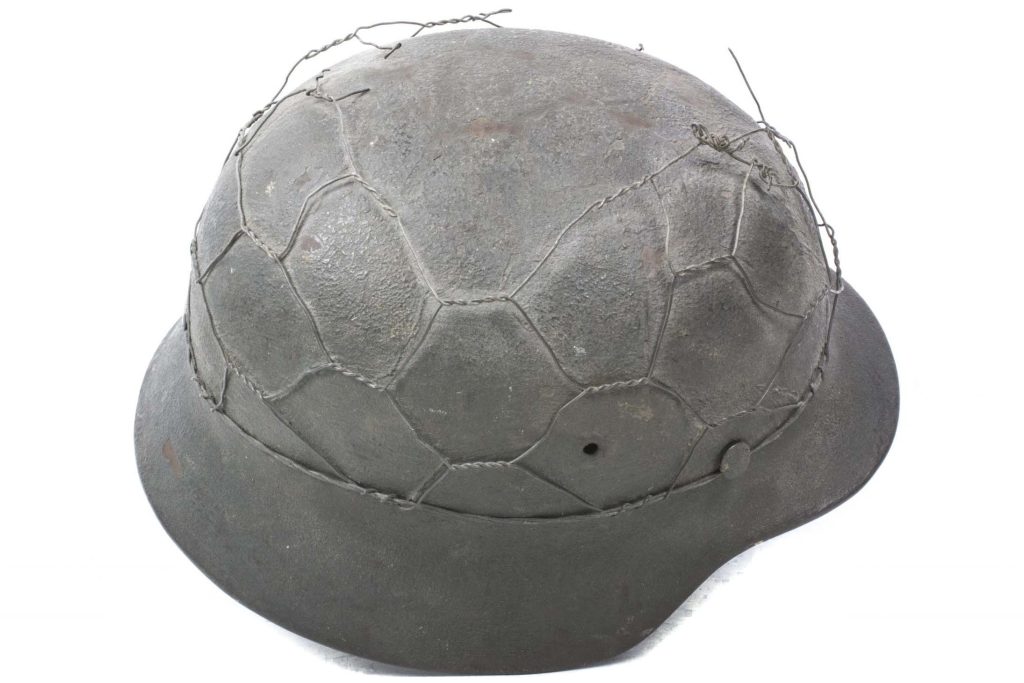
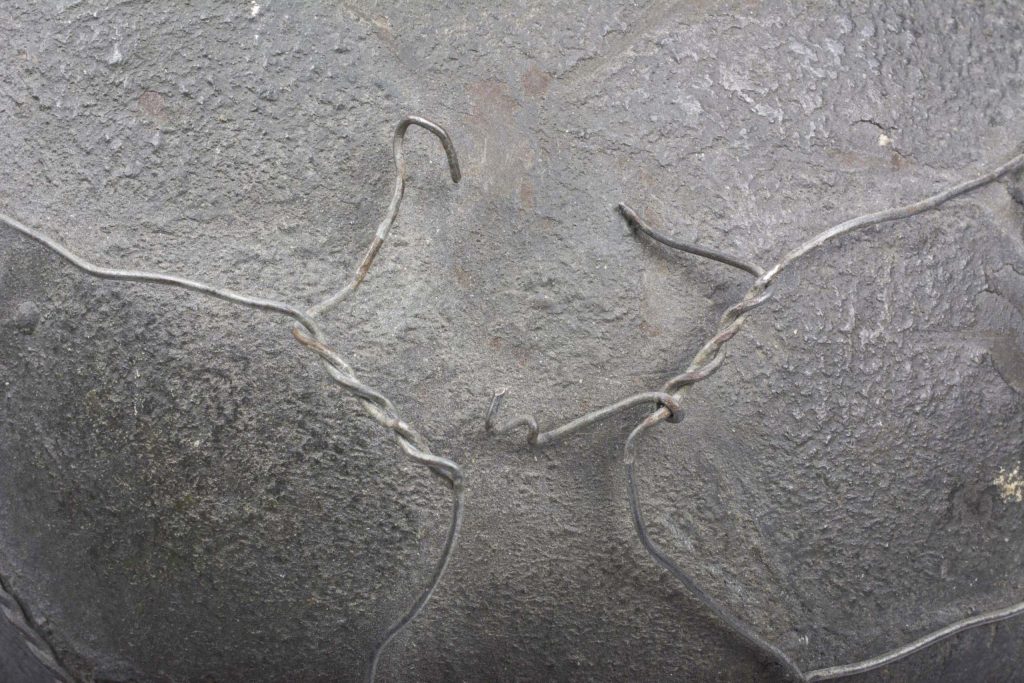
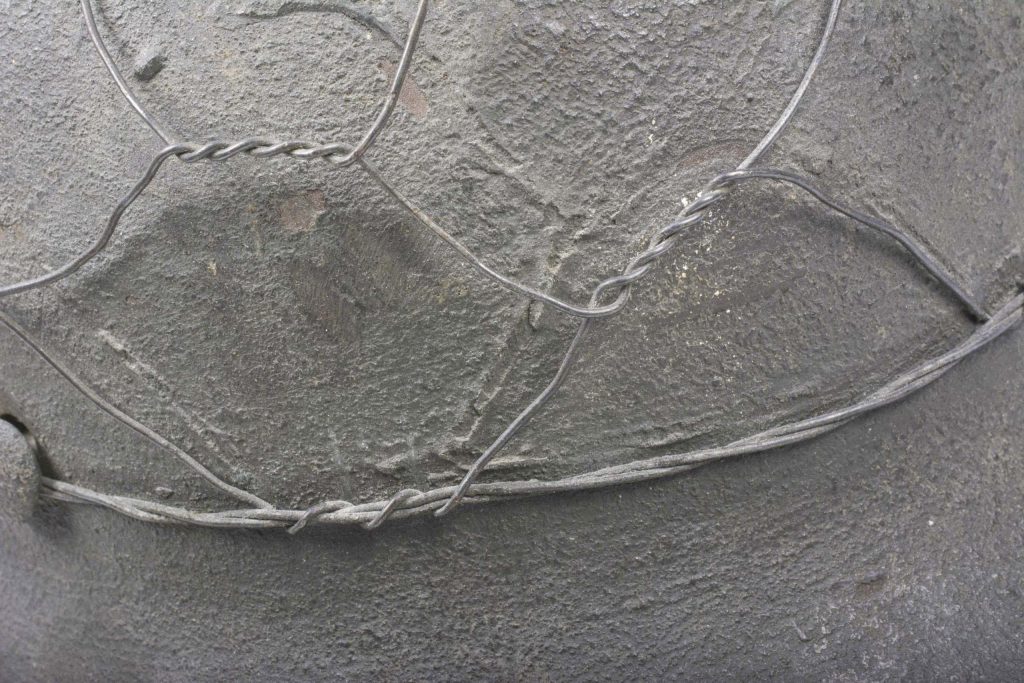

M40 Heer or Kriegsmarine reissue helmet with large mesh half basket chickenwire net and a coarse textured Feldgrau field applied paintjob on top.
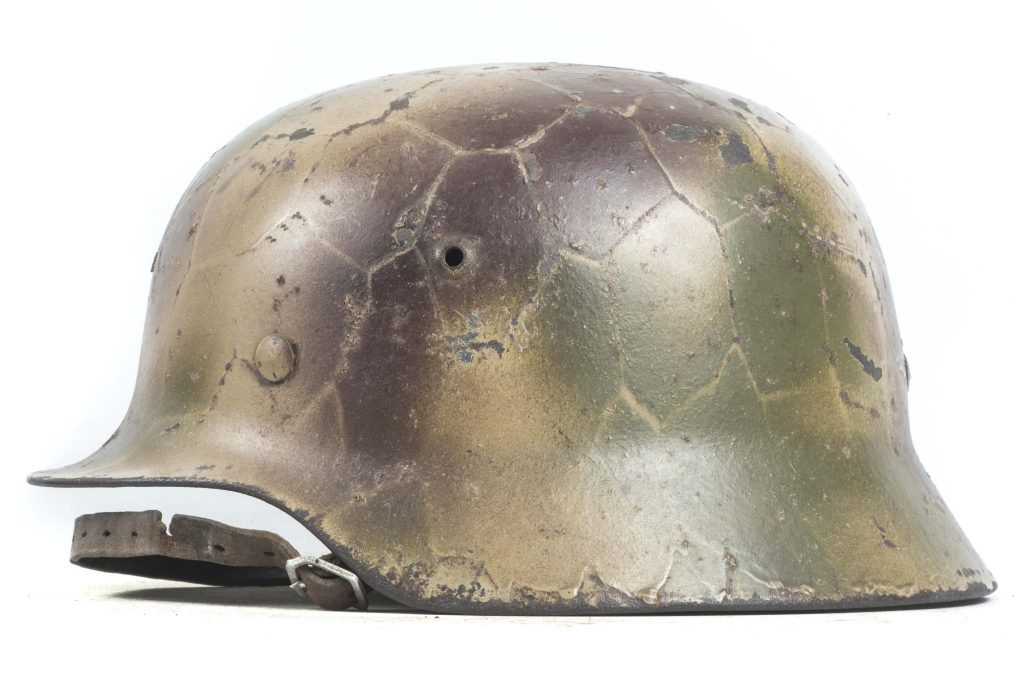
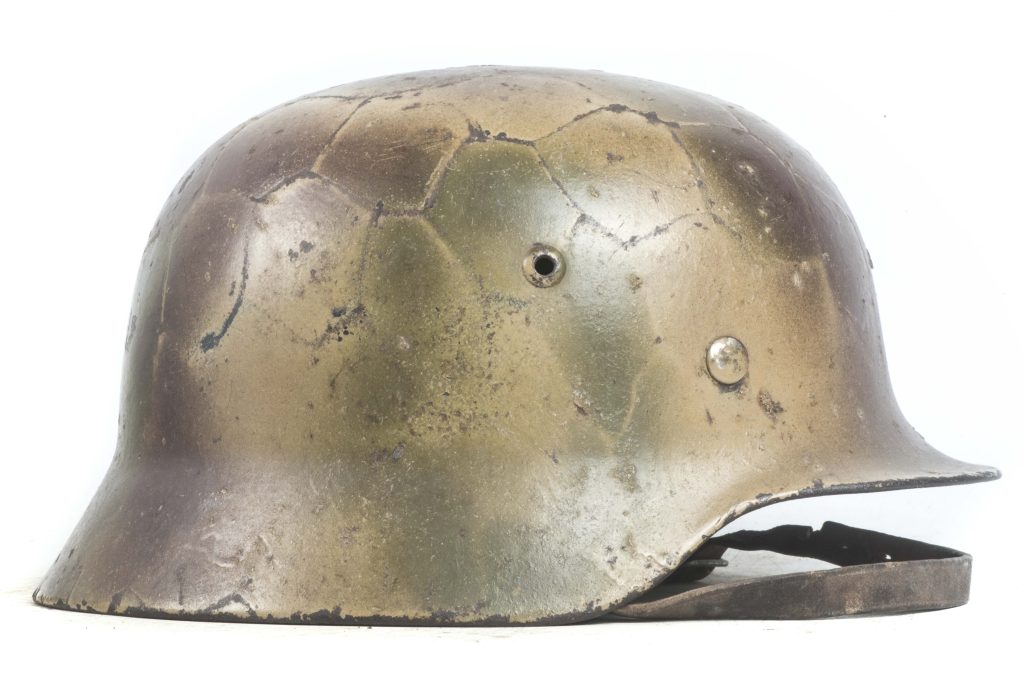
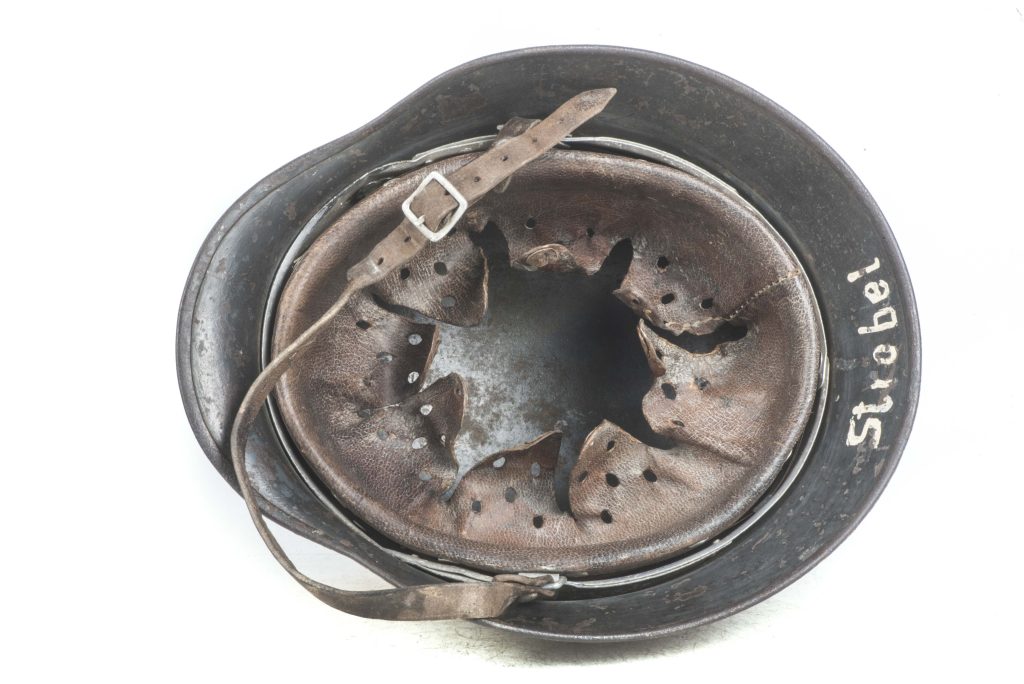
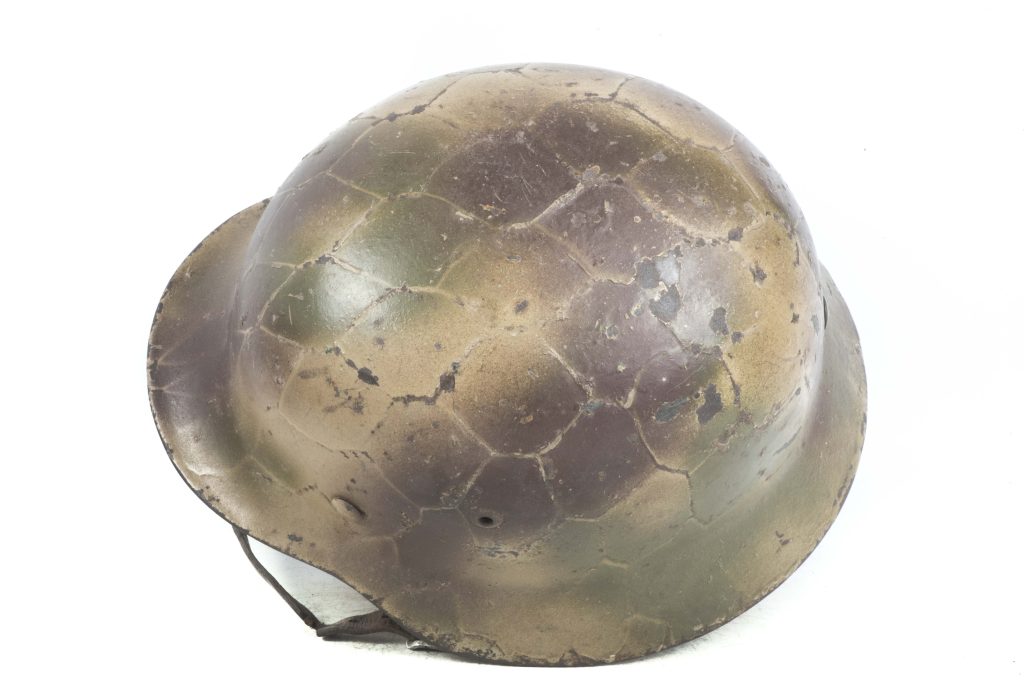
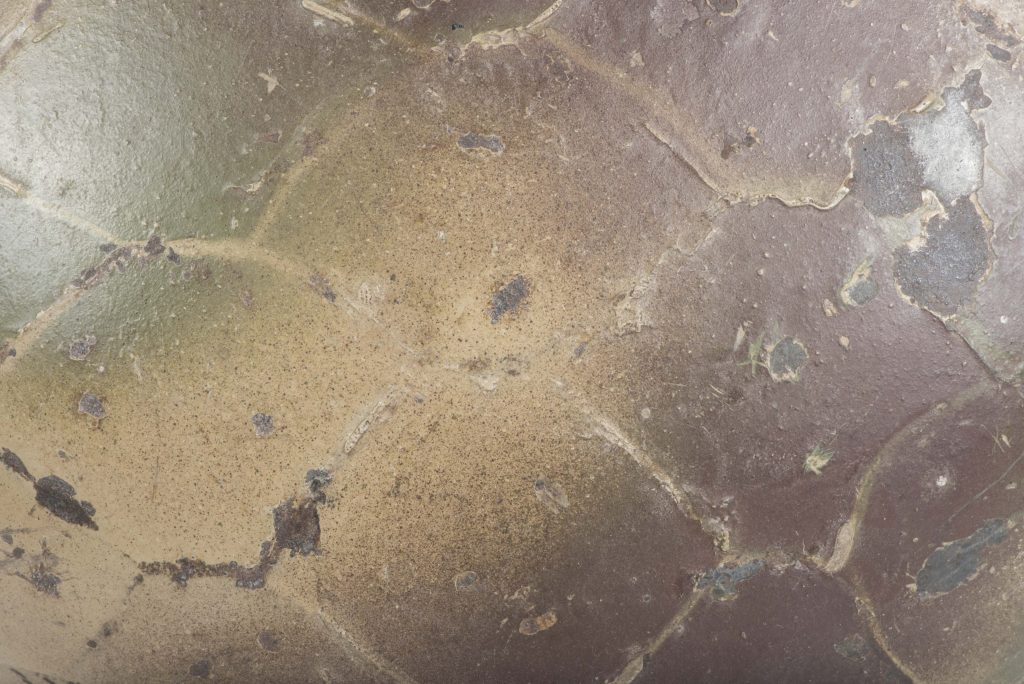
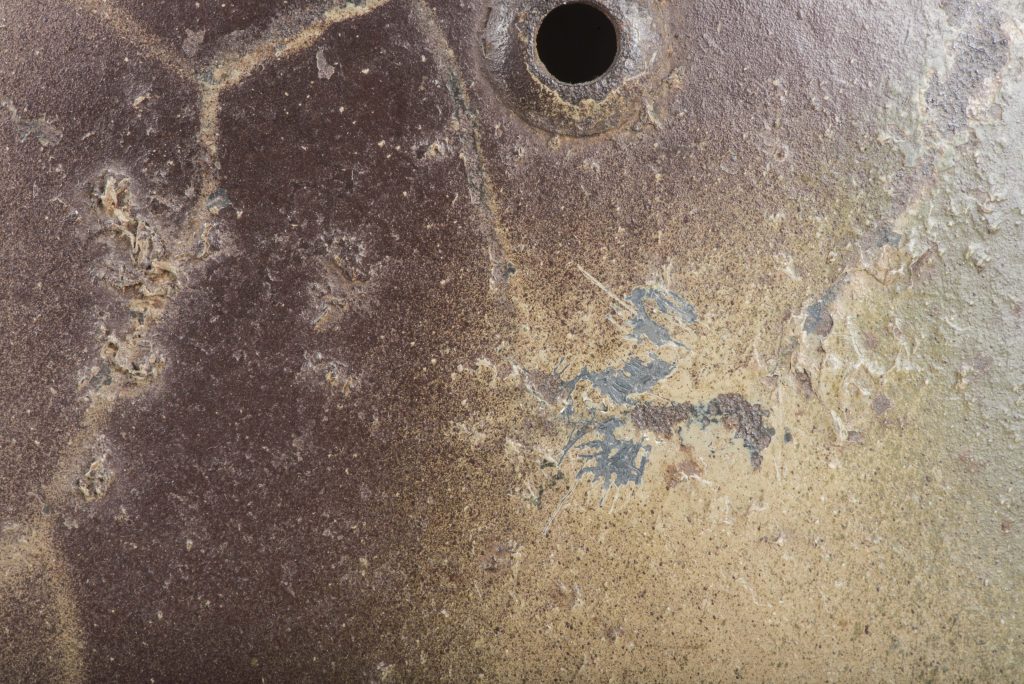
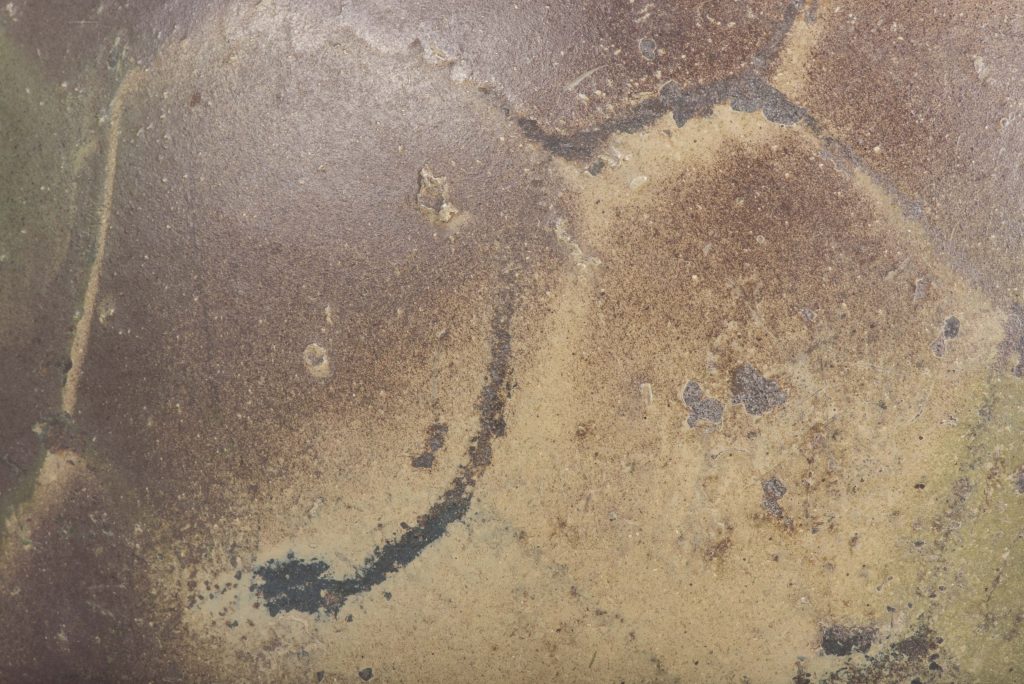
A textbook ‘Normandy’ camouflage helmet with removed chickenwire net. The helmet is named Strobel. The helmet is a Luftwaffe M35 helmet with its decal peaking trough the camouflage paint.
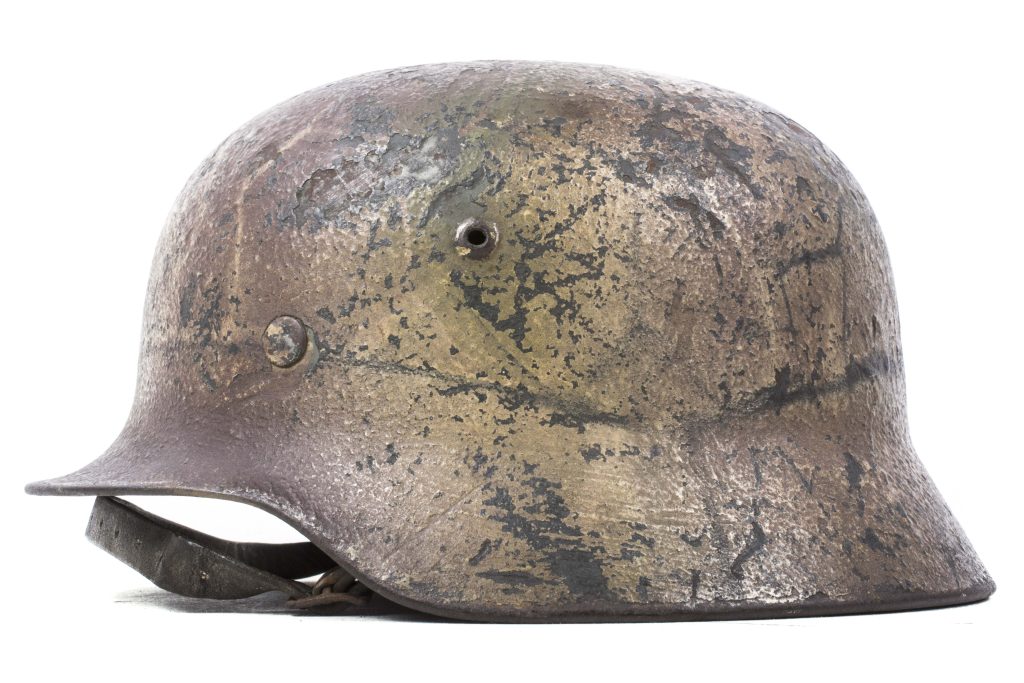
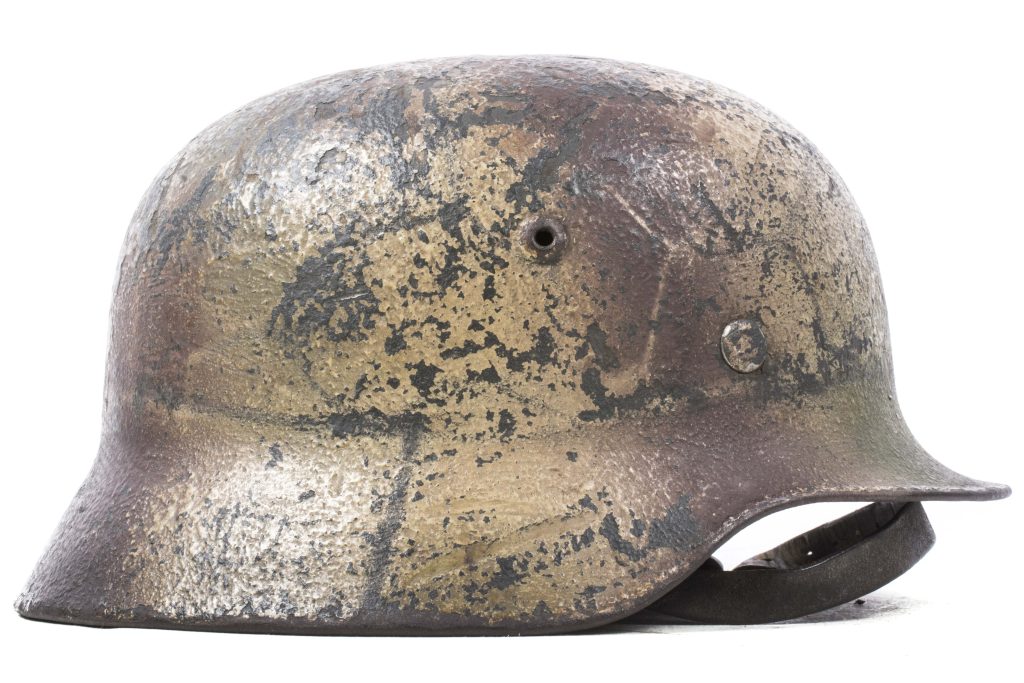
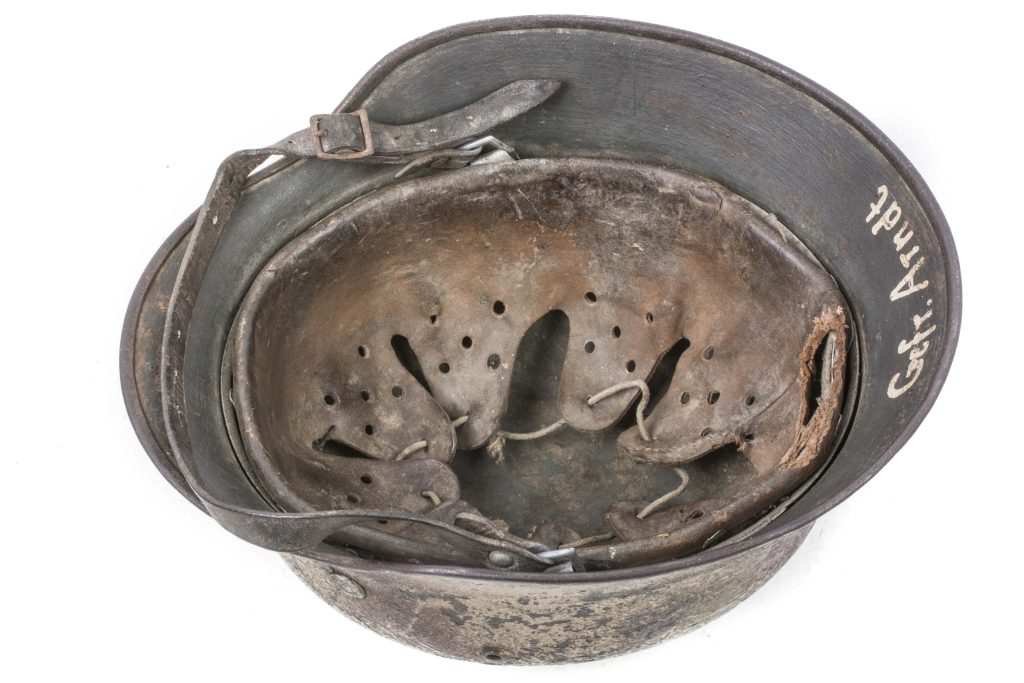
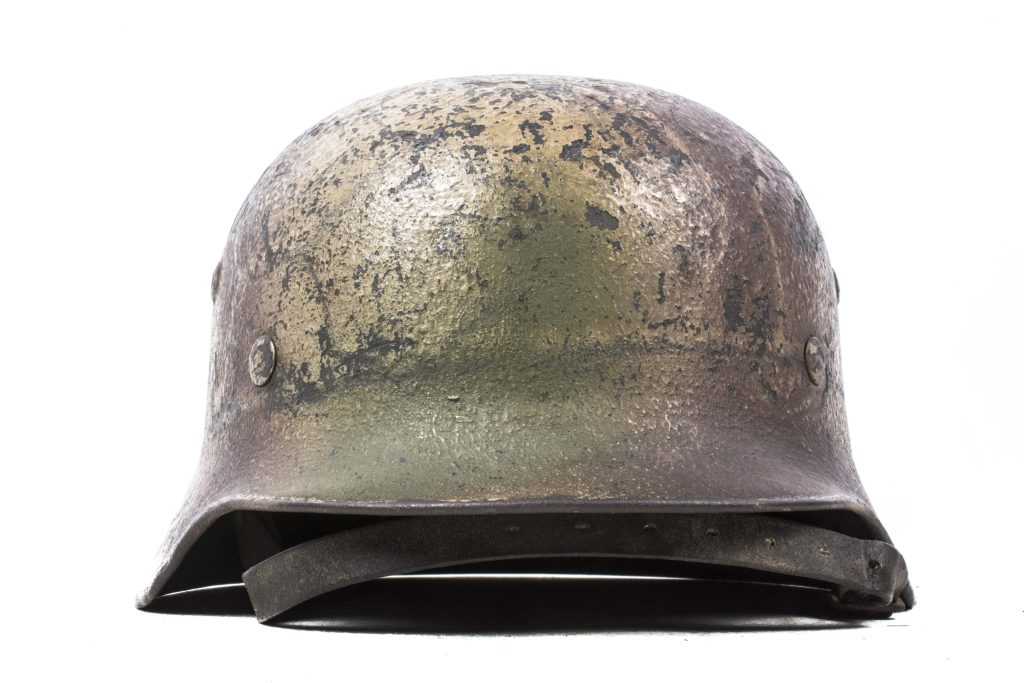
This helmet was once repainted fully in a field grey textured paint later to be fitted with half basket chickenwire and finally oversprayed in three tone ‘Normandy’ camouflage. The helmet is named Gefreiter Arndt in the skirt of the helmet.
Concluding; Who would have used chickenwire on their helmets? I could say that in my observations I have seen Heer, Kriegsmarine, Polizei, Luftwaffe and Fallschirmjäger examples on period photographs or surviving examples. I know I have seen one(!) photo of a Dutch SS Volunteer with a half basket type camouflage net in 1945. It shows the helmet from the top and not show a decal. Other then that; I have never ever seen a decaled Waffen-SS helmet with period applied chickenwire on period photographs or a convincing surviving example in a collection.
Some people state it was a mere Normandy thing but this is not true. The truth is that any unit, stationed on the atlantic coast close to where chickenwire was being issued and used could have applied it to their helmets. I believe this was mostly a unit practice where most if not all of the troops would apply chickenwire to all of their helmets as with any camouflage. Especially units stationed on the atlantic coast with a most valueable asset; time and bored troops. It was vital to keep troops busy with ‘boring’ tasks like camouflaging. This reason is also one of the reasons we almost never see chickenwire with Waffen-SS troops. They were never stationed along the Atlantikwal or in long lasting well developed fortified positions. This is also the reason why we nearly never see it on the eastern front. Besides chickenwire being much less available; the war fought on the east was constantly moving whereas guarding the Atlantikwal was sometimes referred to by troops as a mere holiday for four years. This meant that there was never much time to camouflage positions or make reinforced bunker positions. Camouflaged chickenwire was also found on bunkers at the Obersalzberg. So concluding is that most or not all of these camouflaged helmets with chickenwire nets originated from the western European theatre. Chickenwire camouflage helmets are a beautiful nice in helmet collecting; a aesthetic variant on the German helmet.